Automated archive / Monster Hunter Stories 3: Twisted Reflection
Sector Intelligence Report #03 – Twisted Hunts, Princess Protocols, and Late‑Game Invasives in Monster Hunter Stories 3
Monster Hunter Stories 3: Twisted Reflection’s first live week has been defined by invasive monsters, early access wyverns, and tactical visual modes that meaningfully change how you hunt. This Sector Intelligence Report breaks down how Capcom’s latest RPG is turning narrative escalation and systemic depth into a...
AI-generated summary. This archive article does not have a current recorded source check. Check linked sources before relying on details. Editorial policy
Strategic Overview: Stories 3 Enters Active Duty
Monster Hunter Stories 3: Twisted Reflection has moved from pre‑deployment chatter to full operational status, and the last week has been about one thing: stabilization. Capcom’s turn-based spin on the hunting formula has hit PS5 and PC, and the live battlefield is already being reshaped by invasive monsters, early access monsties, and visual performance choices that directly affect how you read the fight.
From a #gamedev perspective, this first post-launch window is a stress test of systemic design: how well the gene grid, den-routing, and visual modes hold up once players start min-maxing the late-game. For #indiegame teams watching from the sidelines, Monster Hunter Stories 3: Twisted Reflection is a case study in how to fuse narrative escalation with mechanical clarity in a complex RPG.
Narrative Front: The Princess of Azuria and Kingdom-Scale Stakes
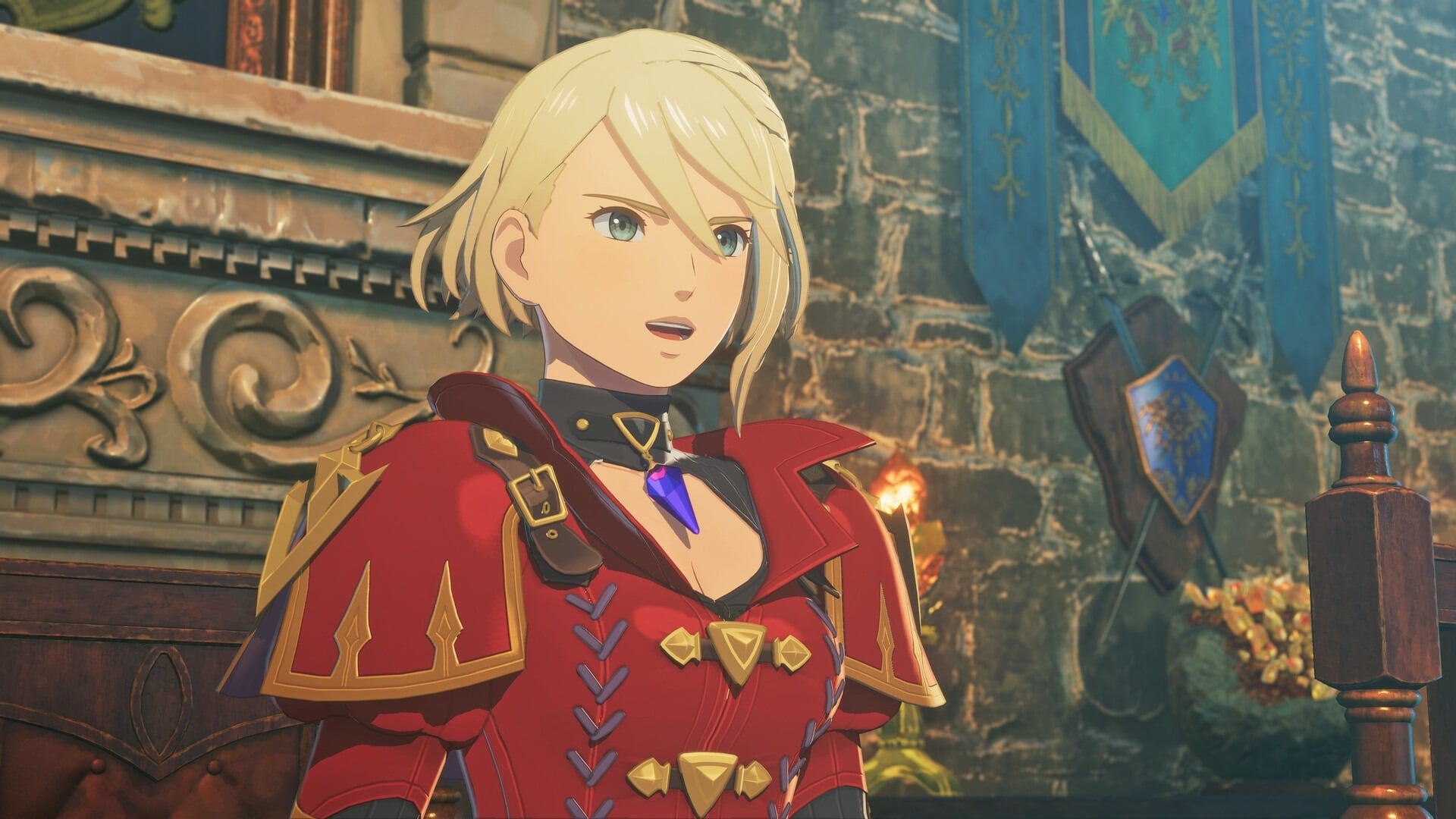
Capcom’s latest trailer push puts the Princess of Azuria at the center of the campaign. She isn’t just a story garnish; she’s positioned as a diplomatic pivot point and a mounted combat asset, tying political stakes directly into your squad composition.
The current messaging emphasizes:
- Mounted engagements as narrative beats – Story moments are increasingly resolved in the saddle, reinforcing that Riders and Monsties are a single combat unit.
- Cross‑kingdom turbulence – Factions and prior series fallout are surfacing as mechanical friction: rival riders, contested zones, and shifting access to high-tier monsties.
This is smart systemic storytelling: narrative beats are mirrored by the way you plan routes, pick monsties, and respond to the spreading anomaly.
Watch: Transmitting Gameplay footage from the field: Princess of Azuria launch operations trailer
Tactical Threat Analysis: Invasive Monsters Go Live
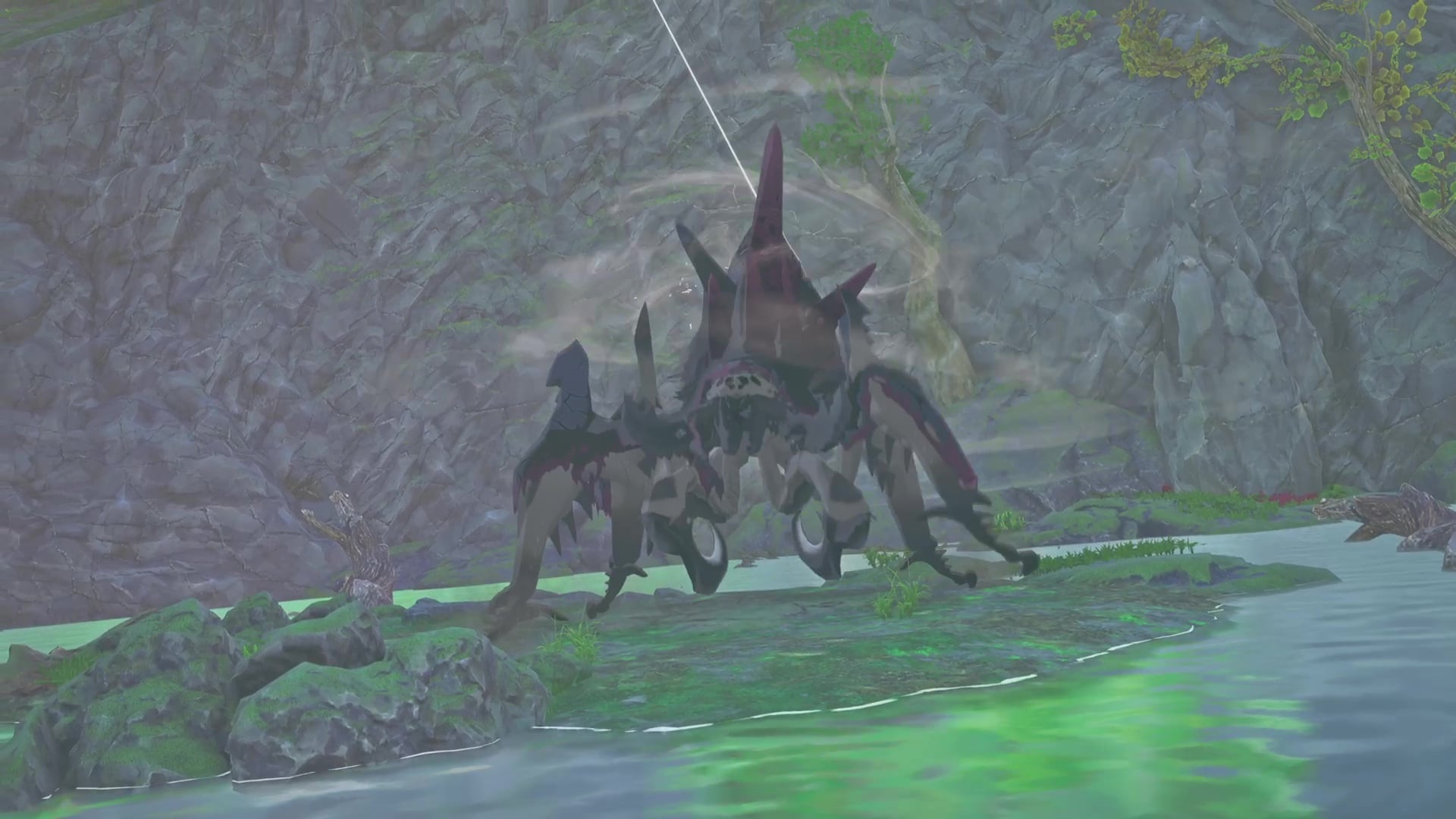
Invasive Nerscylla – Web Control and Distance Management
Field reports flag the Invasive Nerscylla as an anomalous node inside corrupted zones. Mechanically, it’s a pressure test for turn-based positioning and pattern recognition:
- Armor cycles and tells – The fight revolves around reading its armor states and timing your burst skills for when the shell is vulnerable.
- Distance as a resource – The encounter design leans hard on spacing. You’re rewarded for keeping Nerscylla at a controllable range, disrupting its setup turns before the web stabilizes.
For designers, this is a clean example of how to turn a familiar monster into a puzzle boss: same creature fantasy, different behavioral script and risk profile.
Invasive Odogaron – Bleed as a Time Pressure Mechanic
The Invasive Odogaron protocol is a late‑game anomaly tuned to punish sloppy rotations:
- Bleed as long‑tail damage – Instead of one-shotting riders, Odogaron stacks bleed, forcing you to manage HP over multiple turns with strict healing windows.
- Speed vs. stability – Its speed forces you to pre‑empt attacks with defensive skills and buffs rather than reacting after the fact.
From a #gamedev systems angle, it’s a showcase in layering status effects over speed to create tension without resorting to brute-force stat inflation.
Roster Optimization: Early Pink and Dreadqueen Rathian
The early access routes to Pink Rathian and Dreadqueen Rathian have been decrypted, and this is already warping the power curve:
- Early aerial dominance – Securing these flying wyverns ahead of schedule gives players strong coverage in elemental matchups and terrain navigation.
- Meta implications – Story pacing assumes later access; getting them early lets experienced players trivialize certain encounters while experimenting with gene layouts intended for much later.
For other RPG teams, this is a live experiment in controlled sequence breaking: Capcom is letting savvy players bend the curve without fully breaking it.
Visual Systems: Performance vs Balanced vs Quality on Consoles
Capcom has quietly turned graphics modes into tactical loadout choices:
- Performance Mode – Prioritizes high, stable FPS. Best for players who rely on tight timing, fast menuing, and clean animation reads during complex multi‑monstie turns.
- Balanced Mode – A hybrid profile for most riders, smoothing out both resolution and framerate for long sessions and handheld/sofa play.
- Quality Mode – Cranks visual fidelity and resolution, ideal for story segments, exploration, and players who value atmosphere over responsiveness.
The design lesson: even in a turn-based RPG, visual clarity and temporal stability can meaningfully change how readable and enjoyable the combat loop feels.
Fieldcraft and Economy: 22 Ways to Bend the Map
The newly circulated 22 hunting and egg gathering tips are less “beginner guide” and more operations manual:
- Route memorization – Treating the overworld like a resource circuit maximizes rare egg pulls per hour.
- Den triage – Learning which dens to skip and which to fully clear is key for late‑game team building.
- Gene‑synergy first – The meta is coalescing around monsties built for synergy, not raw stats, reinforcing the core identity of Stories as a squad builder rather than a single‑weapon power fantasy.
This is the kind of systemic transparency that live‑service RPGs often withhold; here, it’s being surfaced early, inviting players to play like designers.
Launch Logistics: DLC, Music, and Series Recap
Operationally, Monster Hunter Stories 3: Twisted Reflection is launching with:
- Two free DLC items – The Gold Circlet accessory and Wind Wyvern’s Friend layered armor for Simon (Legiana‑themed) act as early cosmetic and identity anchors for returning fans.
- “Echoing Wings” mission reel – A music‑driven morale asset that doubles as a marketing beat and tone-setter for the campaign.
- Series recap content – Pre‑launch recaps help ease new riders into a continuity-heavy narrative without forcing them through back catalog homework.
Sector Forecast: What to Watch Next Week
Looking ahead, the key pressure points for Monster Hunter Stories 3: Twisted Reflection are:
- Balance response to invasive anomalies – If Invasive Nerscylla and Odogaron spike too hard, expect tuning passes or additional counter-gear.
- Meta crystallization around early Rathians – Early access Pink and Dreadqueen Rathian builds could become the default template for high‑level riders.
- Platform parity on visual modes – Community feedback will quickly reveal whether Performance, Balanced, and Quality modes feel equally viable across PS5 and PC.
For #gamedev and #indiegame teams, this first week of live data is a rare, high-resolution look at how a major RPG uses invasive encounters, visual modes, and optional optimization paths to keep a turn-based ecosystem volatile without losing readability.
Sources and corrections
This archive entry does not have a verified article-source list. Images and video embeds alone are not evidence for every claim.
Found an error? Request a correction. Include the passage and a supporting source.