Automated archive / Monster Hunter Stories 3: Twisted Reflection
Sector Intelligence Report #03: Monster Hunter Stories 3 Locks In as Capcom’s Turn‑Based Apex Form
Monster Hunter Stories 3: Twisted Reflection has exited launch week looking less like a spin‑off and more like Capcom’s definitive turn‑based hunting platform. Our latest Sector Intelligence Report breaks down its combat meta, narrative gambits, and what its systems say about the future of creature‑driven RPGs.
AI-generated summary. This archive article does not have a current recorded source check. Check linked sources before relying on details. Editorial policy
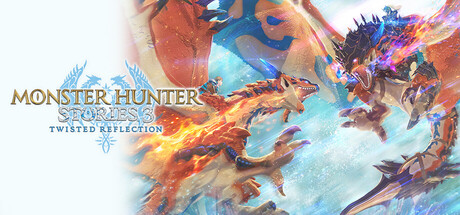
Strategic Overview: Stories Goes Fully Tactical
Monster Hunter Stories 3: Twisted Reflection has exited pre‑deployment and is now fully live, and the first week of telemetry paints a clear picture: this is Capcom’s cleanest turn‑based hunting build to date. The activity feed reads like a controlled escalation—launch trailers, character dossiers, and optimization briefings all reinforcing one core thesis: this isn’t a side project, it’s the apex form of the Stories sub‑series.
Across the last seven days, Capcom’s comms cadence has been aggressive but focused. We’ve seen:
- A launch double‑tap via Capcom Spotlight and the official trailer, framing Twisted Reflection as a “fractured mirror‑world” campaign.
- Multiple systems‑level briefings on combat, monstie gene synergy, and egg‑hunting optimization.
- A targeted character protocol for Kora, positioning her as both emotional anchor and mechanical wildcard.
For #gamedev teams watching from the sidelines, this is a live case study in how to scale a turn‑based spin‑off into a flagship pillar without losing the core hunting fantasy.
Combat & Systems: Turn‑Based Hunting, Fully Weaponized
The operational logs call out a “stable fusion of turn-based combat, monster collection, and narrative branching,” and that wording matters. Stories 3 isn’t reinventing its systems; it’s tightening tolerances.
Key systems intelligence from the feed:
- Gene Synergy as Core Economy – Early‑game advice explicitly tells riders to prioritize gene synergy over raw stats. That positions DNA grid management as the real meta, turning Monsties into buildable loadouts rather than simple party members.
- Terrain & Turn Order as Force Multipliers – Tips highlight exploiting terrain and turn sequencing for burst damage, suggesting encounter design that rewards pre‑planning over brute‑forcing.
- Route Optimization as Endgame Craft – The 22‑tip hunting and egg‑gathering guide frames den routing and resource loops like speedrun lines. Efficient den scanning and memorized paths are treated as skill expression, not busywork.
From a #gamedev perspective, this is a textbook example of layering mastery systems: readable at a casual level, but tuned so that optimization‑minded players can turn the world map into a solvable logistics puzzle.
Narrative Architecture: Fractured Mirrors and High‑Value Assets
The “Twisted Reflection” subtitle isn’t just aesthetic dressing; every major transmission reinforces the mirror‑world framing. Phrases like “fracture fate itself,” “corrupted mirrors,” and “world-state approaching catastrophic failure” signal a story built around branching paths and instability.
The Kora protocol is the clearest narrative tell:
- She’s flagged as a “high-priority narrative asset” and a “potential instability vector.” That’s language you reserve for characters who sit at the junction of plot and mechanics.
- The feed explicitly instructs riders to monitor her lineage cues and cutscene behavior for “meta-story mechanics,” hinting at player‑driven branches or stateful narrative triggers tied to her arc.
For writers and narrative designers, this is a notable pivot: Stories 3 isn’t just “more heartfelt Monster Hunter,” it’s experimenting with meta‑aware character design, where emotional beats may be wired directly into systemic consequences.
Performance, Pacing, and Risk Surface
The early performance audit is blunt: combat is “strong,” exploration “competent,” but there are flags on story predictability and side‑objective repetition. That aligns with the franchise’s historical profile—mechanical density first, narrative surprise second.
What’s changed is how Capcom is managing expectations in‑line with those risks:
- The optimization briefings pre‑emptively reframe repeatable content as “stable resource loops” and “tactical syllabi.” It’s still a loop—but it’s a loop you’re meant to master.
- The emphasis on “long-term campaign optimization” in the launch trailer copy signals that the grind is a feature, not a bug: this is a build‑and‑refine RPG, not a one‑and‑done story tour.
For #indiegame teams, there’s a takeaway here: if your structure leans on repetition, you can mitigate fatigue by surfacing it as a skill‑based optimization layer rather than hiding it behind narrative dressing.
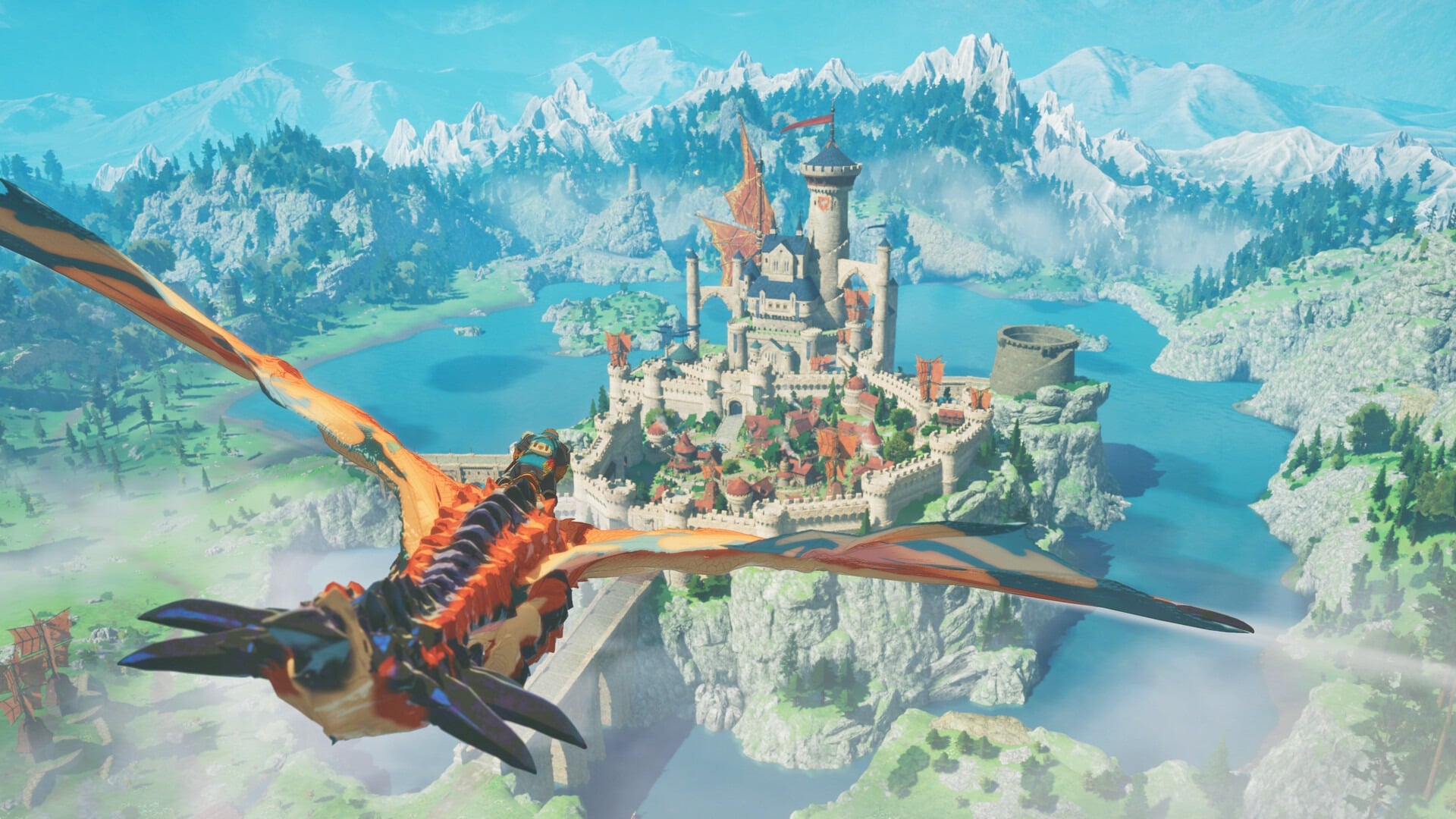
Sector Outlook: Where Stories 3 Sits in the Capcom Portfolio
With Monster Hunter Stories 3: Twisted Reflection now live on PS5 and PC, Capcom has effectively locked in a two‑track Monster Hunter ecosystem:
- Real‑time, high‑friction hunts on the mainline side.
- Turn‑based, systems‑driven campaigns on the Stories axis.
The first‑week intel strongly suggests Stories 3 is being positioned less as an experiment and more as a long‑term tactical platform:
- The gene system, party synergies, and den‑routing meta are all expandable via future content drops.
- The mirror‑world framing gives narrative teams plenty of room for side‑timelines, event arcs, and limited‑time anomalies.
For developers tracking market signals, Monster Hunter Stories 3: Twisted Reflection is a live demonstration that monster‑collecting, turn‑based combat, and high‑production narrative can coexist at scale, without diluting brand identity. As more studios chase the “cozy tactics” and creature‑RPG space, Capcom has just redrawn the ceiling.
In other words: the bar for your next monster‑battler just shifted upward.
Sources and corrections
This archive entry does not have a verified article-source list. Images and video embeds alone are not evidence for every claim.
Found an error? Request a correction. Include the passage and a supporting source.
Your games, in one place
Keep up with Monster Hunter Stories 3: Twisted Reflection
Follow this game to collect its posts in your personal feed. Come back to see what you missed.
More to read about Monster Hunter Stories 3: Twisted Reflection
- Source-checked briefMonster Hunter Stories 3 comes to Xbox on PC November 18
Monster Hunter Stories 3: Twisted Reflection is scheduled for Xbox on PC on November 18, 2026. The announcement says Xbox Play Anywhere will support progress and content across eligible devices....