Automated archive / Monster Hunter Stories 3: Twisted Reflection
Monster Hunter Stories 3 – Twisted Systems, Sharper Stories
Monster Hunter Stories 3: Twisted Reflection emerges from launch week as the most tactically mature entry in Capcom’s turn-based sub-series, pairing refined kinship combat with a fractured mirror-world narrative. The systems are sharp and stable—even if side content repetition and safe story beats keep it from...
AI-generated summary. This archive article does not have a current recorded source check. Check linked sources before relying on details. Editorial policy
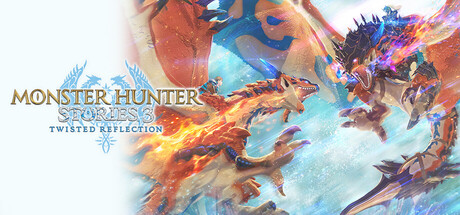
Sector Intelligence Report // Monster Hunter Stories 3: Twisted Reflection
Capcom’s monster hunter stories 3: twisted reflection has officially deployed, and the last seven days of field intel paint a clear picture: this is the cleanest, most tactically coherent spin-off build the series has produced. The core loop of turn-based combat, monstie collection, and narrative progression hasn’t been reinvented so much as pressure‑tested and refined, with key upgrades in presentation, encounter design, and long‑tail progression.
For #gamedev observers and systems designers, Twisted Reflection reads like a confident third‑iteration pass: fewer experimental swings, more focused optimization of what already works.
Combat & Systems: Apex Form of the Stories Sub-Series
The activity feed repeatedly flags combat as the dominant strength. Twisted Reflection doubles down on party synergy and kinship mechanics, rewarding players who treat their monsties as a coordinated tactics squad rather than a rotating bestiary.
- Turn-based hunting theater: Multi-phase boss encounters and pattern‑driven enemy behavior push players to actually read telegraphs instead of brute‑forcing with overleveled monsties. This is closer to a light tactics RPG than a traditional JRPG auto-attack grind.
- Kinship and combo design: Synchronized skills and elemental combo routes appear tuned for clarity and depth rather than raw complexity. For #indiegame combat designers, this is a strong reference case on how to surface synergy without overwhelming the UI.
- Progression loops: Intel calls out loops “tuned for long-term campaign optimization.” Translation: the grind is structured, with clear payoffs in build refinement and team composition rather than just stat inflation.
Watch: Transmitting Gameplay footage from the field: Monster Hunter Stories 3 – Launch Trailer
From a development update perspective, this is Capcom iterating toward a systemically legible combat model: readable enemy patterns, predictable combo rules, and enough variance in encounter pacing to keep the loop from collapsing into repetition.
Narrative Architecture: Twisted Mirrors, Predictable Beats
The narrative pitch is strong on paper: riders and monsties navigating a fractured mirror-world, with “corrupted mirrors” and “distortion events” framing the campaign. Activity logs highlight:
- Branching paths that appear to meaningfully alter route, encounters, and some character beats.
- A focus on kinship and fate as thematic anchors, tying combat systems (kinship attacks, party synergies) directly to story stakes.
However, the same intel flags story predictability as a key risk. This suggests a tension between:
- Inventive framing (mirror realities, distortion anomalies), and
- Conventional JRPG structure (familiar twists, readable character arcs).
For narrative designers, Twisted Reflection looks like a case where structural experimentation (branching, meta-story hints) is doing more heavy lifting than moment-to-moment writing. It’s competent, occasionally clever, but rarely subversive.
Kora Protocol: Character as Tactical and Narrative Fulcrum
Watch: Transmitting Gameplay footage from the field: Kora Character Trailer
The Kora Protocol entry in the feed is explicit: Kora is both a high‑priority narrative asset and a potential instability vector. That duality is important.
- Combat profile: She isn’t just a story companion; she’s tuned as a tactical ally whose kit and synergy options matter in boss phases and party composition.
- Meta-story hooks: Intel recommends monitoring her “lineage cues” and cutscene behavior for tells on meta-story mechanics. That implies Kora is likely wired into the distortion/mirror systems in a way that may surface later as a structural twist or branching gate.
From a #gamedev standpoint, Kora exemplifies cross‑disciplinary character design: narrative, combat systems, and world logic all intersect through a single asset. This is the kind of integrated character work many smaller #indiegame teams aim for but struggle to scope.
Exploration, Traversal, and Side-Objective Fatigue
Activity data confirms mount-based traversal and environmental exploration have received “incremental but measurable upgrades” over previous Stories entries. Expect:
- Cleaner overworld readability and route planning.
- Smoother mount transitions and traversal abilities that better map to environmental puzzles.
The downside: side-objective repetition. While core encounters and boss phases are tuned, peripheral content appears to lean on familiar fetch and hunt templates. For designers, this is a reminder that content variety remains a pressure point even when the systemic base is strong.
Visual & Technical Delivery: Incremental, Not Experimental
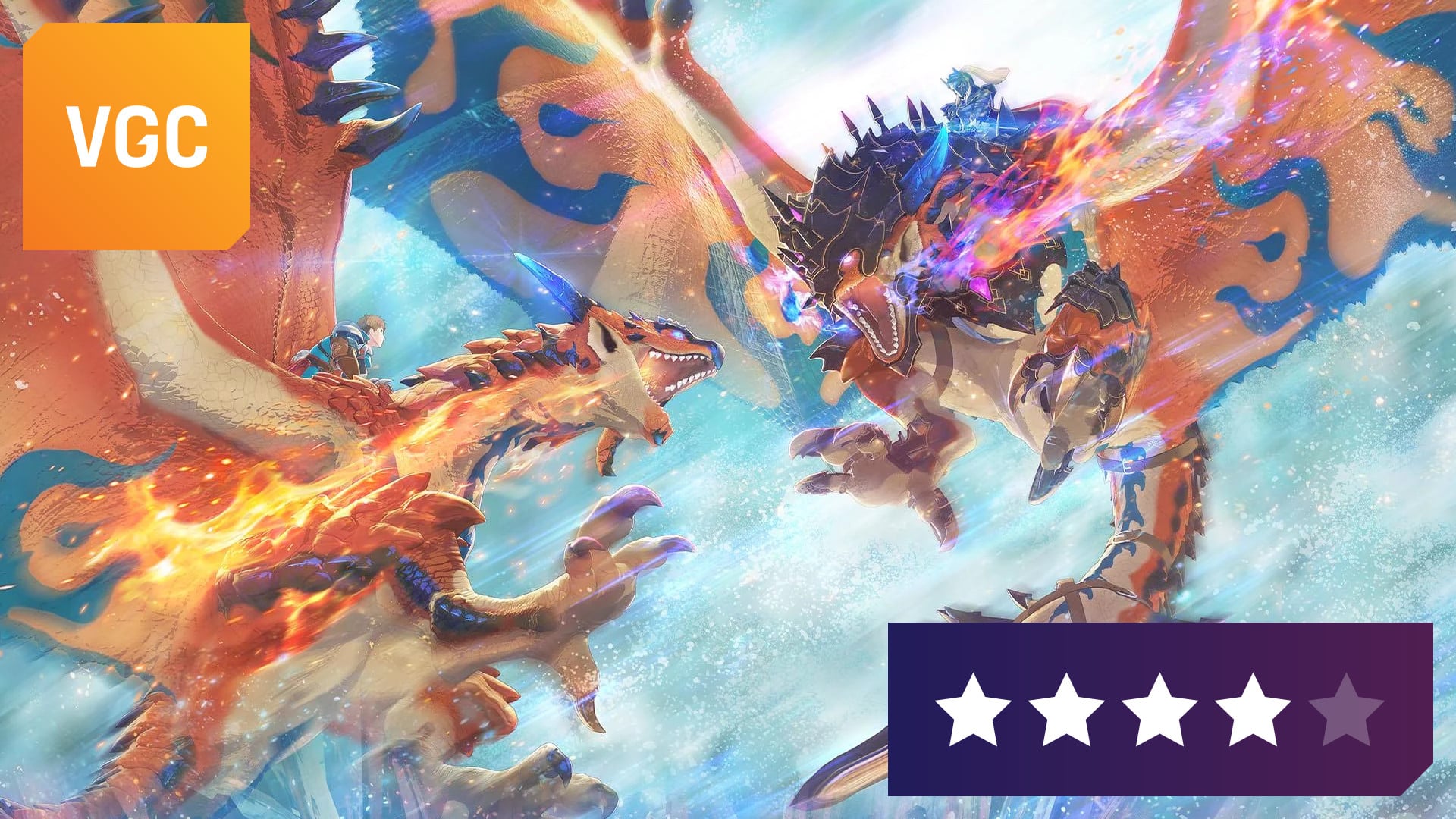
Visual fidelity and presentation upgrades are described as incremental but solid:
- Sharper monster models and attack animations.
- Cleaner UI signaling for elemental affinities, kinship states, and turn order.
- More dynamic cutscene framing, especially around distortion events and mirror-world reveals.
There’s no sign of radical rendering tech or engine overhauls here—this is a polish pass on a known pipeline, not a risky tech leap. For studios tracking Capcom’s tooling, Twisted Reflection looks like a mature pipeline deployment rather than a test bed for new technology.
Sector Verdict: Combat-Strong, Exploration-Competent, Narrative Safe
Across the last week of transmissions, a consistent profile emerges:
- Combat: Deep, readable, and likely the best in the Stories line to date.
- Exploration: Competent, more fluid, but still anchored by conservative side-quest design.
- Narrative: Themically ambitious, structurally interesting, but moment-to-moment writing leans safe and occasionally predictable.
For players, monster hunter stories 3: twisted reflection lands as a high-priority engagement if you value tactical turn-based systems and monster collection. For developers, it’s a live reference build on how to evolve a spin-off line through disciplined iteration rather than wholesale reinvention.
Expect further development update cycles to focus less on mechanical overhauls and more on content cadence, post-launch tuning, and potentially additional narrative branches exploiting those mirror-world systems already baked into the core design.
Sources and corrections
This archive entry does not have a verified article-source list. Images and video embeds alone are not evidence for every claim.
Found an error? Request a correction. Include the passage and a supporting source.
Your games, in one place
Keep up with Monster Hunter Stories 3: Twisted Reflection
Follow this game to collect its posts in your personal feed. Come back to see what you missed.
More to read about Monster Hunter Stories 3: Twisted Reflection
- Source-checked briefMonster Hunter Stories 3 comes to Xbox on PC November 18
Monster Hunter Stories 3: Twisted Reflection is scheduled for Xbox on PC on November 18, 2026. The announcement says Xbox Play Anywhere will support progress and content across eligible devices....