Automated archive / FINAL FANTASY VII REBIRTH
Final Fantasy VII Rebirth Demo Jumps the Fence to Xbox and Switch 2
Final Fantasy VII Rebirth’s demo has breached Xbox Series X|S and Nintendo Switch 2, transforming a once-PS5-exclusive spectacle into a full-spectrum, cross-platform operation. This week’s sector report dissects what that move reveals about Square Enix’s engine strategy, narrative delivery, and the future of...
AI-generated summary. This archive article does not have a current recorded source check. Check linked sources before relying on details. Editorial policy
Sector Intelligence: Rebirth’s Demo Goes Fully Multi-Platform
Final Fantasy VII Rebirth just executed its boldest maneuver since launch: a live-fire demo deployment across Xbox Series X|S and Nintendo Switch 2, breaking out of its former PS5 exclusivity bubble. For players, it’s a chance to stress-test combat and narrative changes; for #gamedev observers, it’s a rare look at how Square Enix is scaling one of the most resource-intensive RPGs of this generation across rival hardware.
The last seven days of signals all converge on one message: this is not a token port strategy. The demo rollout reads like a platform-agnostic campaign designed to extend the game’s tail, rebuild momentum, and reframe Final Fantasy VII Rebirth as a long-term cross-platform pillar rather than a time-locked showcase.
Cross-Platform Deployment: From Single-Theater to Full Grid
The activity feed paints a clear operational arc:
- "Signal Spike" on Xbox: The Xbox demo is framed as a “live-fire operation,” emphasizing high-bandwidth combat and cinematic traversal. That language matches how Microsoft markets its hardware strengths: fast storage, quick resume, and high frame-rate targets.
- Multi-Platform Demo Briefing: A subsequent intel packet calls out Xbox and Nintendo Switch 2 by name, confirming that the original PS5 theater is no longer the sole focus. This is a strategic repositioning of Final Fantasy VII Rebirth as a multi-system franchise entry, not just a platform showcase.
- "Next-Gen Grids" for Switch 2 and Xbox: The most detailed note urges players to “capture performance metrics” and “study level flow,” practically inviting the community and press to treat this as a technical case study.
For developers and technical analysts, this demo is effectively an open benchmark of Square Enix’s current engine philosophy, asset scaling strategy, and content partitioning across three very different architectures.
Technical Reading: How Rebirth Scales Across Rival Silicon
The demo slice—combining combat, traversal, and narrative—was not chosen at random. It’s a vertical slice carefully tuned to expose the most sensitive systems:
1. Combat Systems as a Cross-Platform Stress Test
The hybrid real-time/ATB combat in Final Fantasy VII Rebirth is CPU- and memory-heavy, especially during ability chains and particle-dense limit breaks. On PS5, this was previously buffered by a known hardware profile; on Xbox Series X|S and Switch 2, Square Enix must now juggle:
- Animation and input latency parity across controllers and OS-level input stacks.
- Effect density vs. readability on weaker or differently balanced GPUs.
- AI routine consistency, ensuring enemy behavior and timing windows feel identical across platforms.
From a #gamedev perspective, this is where we’ll see how modular the battle system really is. If the demo holds up across all platforms without visible timing drift or animation cutbacks, it suggests a robust decoupling of logic from frame rate and a disciplined approach to simulation step design.
2. Traversal and Streaming: The Real-World Engine Audit
Traversal segments in the demo, highlighted in the intel as “cinematic traversal” and “level flow,” are the canary in the coal mine for world streaming and asset management.
On PS5, Rebirth’s open-zone design leaned heavily on ultra-fast SSD streaming. Porting that design to Xbox and especially Switch 2 likely required:
- Aggressive LOD hierarchies to gracefully degrade foliage, distant geometry, and crowd density.
- Segmented streaming volumes tuned per platform, minimizing pop-in without overshooting memory budgets.
- Cutscene integration used tactically to mask loads and asset swaps.
The call to “study level flow” in the activity feed is telling—it’s almost a challenge to technical analysts to look for seams, streaming artifacts, and layout tweaks between platforms.
Narrative Delivery: Memory-Fractured Storytelling at Scale
The feed repeatedly flags “memory-fractured storytelling,” a nod to Rebirth’s remix of the original Final Fantasy VII timeline. For a narrative-heavy RPG, cross-platform deployment isn’t just about frame rates—it’s about ensuring narrative cadence and emotional beats survive the transition.
Key considerations the demo exposes:
- Cutscene encoding and bitrate: On bandwidth-constrained or storage-limited hardware, pre-rendered scenes must be aggressively compressed without destroying facial nuance and lighting.
- VO streaming and localization: Ensuring multiple language tracks load seamlessly without stutter during key story pivots.
- Save-state integrity across branches: Narrative choices in the demo need to map cleanly into the full game on all platforms, which is a subtle but critical systems-design challenge.
The demo’s focus on both combat and story is a deliberate signal: Square Enix wants players to judge not just how the game runs, but how it feels as a story-driven experience on non-PS5 hardware.
Business and Ecosystem Read: Why This Demo Matters Now
From a market-intelligence standpoint, the timing of this demo push is just as important as the tech:
- Tail Extension: Final Fantasy VII Rebirth has already run its initial PS5 cycle. Multi-platform demos re-ignite coverage, streaming, and social chatter.
- Ecosystem Neutrality: By bringing Rebirth to Xbox and Switch 2, Square Enix positions the remake project as a platform-spanning epic, not a single-ecosystem showcase. That can influence future funding, partnerships, and even how smaller #indiegame studios pitch their own cross-platform RPGs.
- Benchmark Effect: Regardless of platform loyalty, Rebirth’s demo becomes a reference point for how a big-budget RPG scales across three major console architectures. That benchmark will inform engine choices and porting expectations across the industry.
Watch: Transmitting Gameplay footage from the field: FINAL FANTASY VII REBIRTH Xbox Demo Trailer
Lessons for Developers and Technical Artists
For #gamedev teams watching this rollout, a few high-level takeaways emerge:
1. Design for Portability from Day One
Rebirth’s multi-platform pivot underscores the value of treating “platform exclusivity” as a business window, not a technical assumption. Systems that assume a single SSD profile or a fixed GPU target will age poorly when the platform strategy inevitably widens.
2. Vertical Slices as Honest Marketing
The Rebirth demo is a vertical slice that asks to be scrutinized—combat, traversal, and story all in one package. That’s a model smaller teams and #indiegame RPG creators can emulate: build a slice that truthfully represents your heaviest systems and let players stress-test them early.
3. Community as Distributed QA
The language in the activity feed—"capture performance metrics," "study level flow"—implicitly recruits players and press as a distributed QA and analytics layer. Expect post-demo patches and tuning passes that respond to this data, especially on Switch 2 where hardware specifics are still under the microscope.
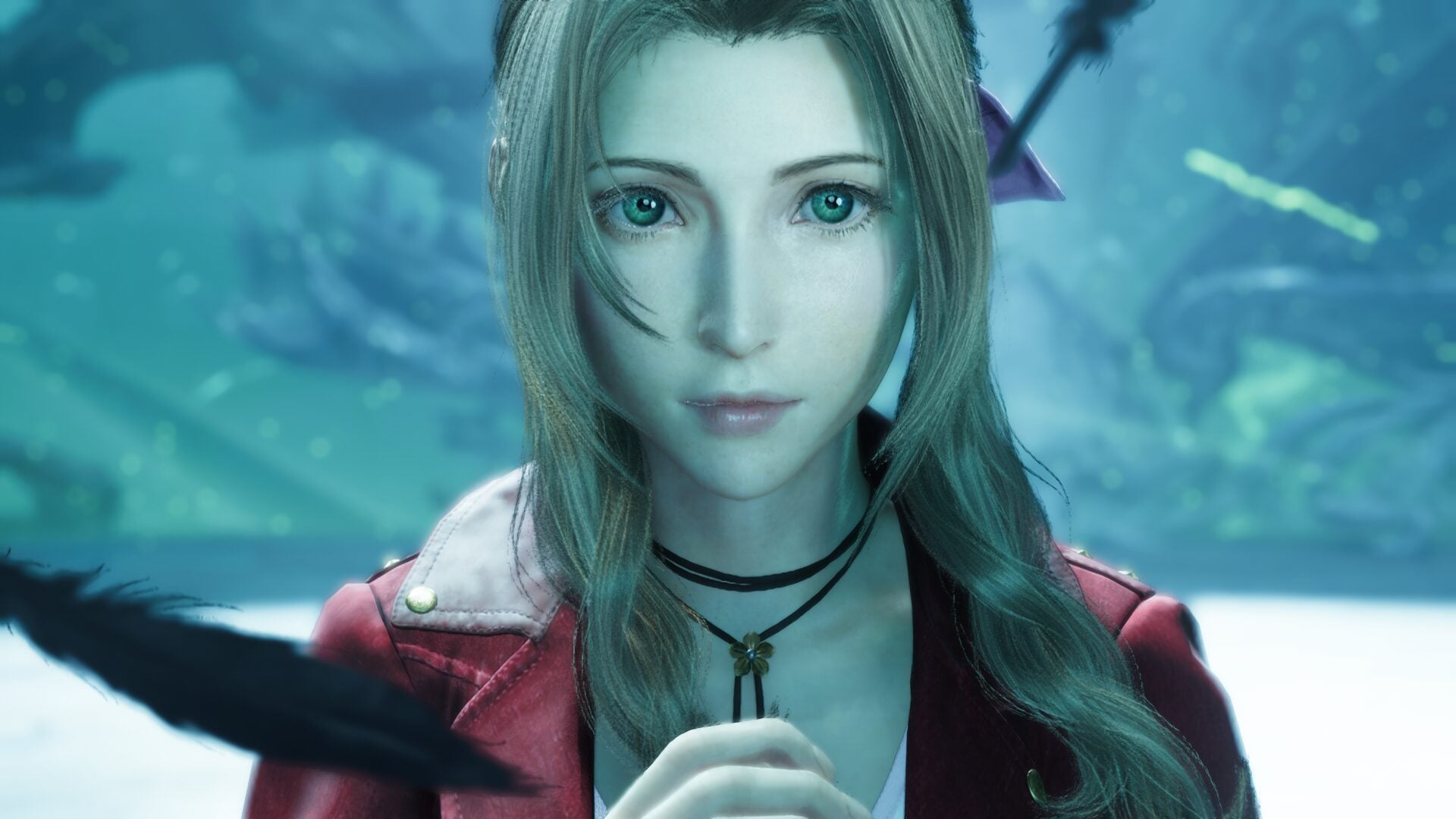
Outlook: Rebirth as a Long-Haul, Multi-Platform Pillar
The Final Fantasy VII Rebirth demo’s breach into Xbox and Switch 2 grids is more than a content tease—it’s a quiet referendum on Square Enix’s engine robustness, cross-platform ambition, and long-term monetization strategy.
If the demo holds technical and narrative parity across platforms, Rebirth’s identity shifts from “PS5 showpiece” to “modern JRPG standard-bearer.” That, in turn, raises the bar for future big-budget RPGs and even ambitious #indiegame projects aiming to coexist on the same hardware.
For now, the sector signal is clear: Final Fantasy VII Rebirth has re-entered the conversation, not as a relic of last year’s release calendar, but as a live, evolving multi-platform operation that the entire development ecosystem should be watching closely.
Sources and corrections
This archive entry does not have a verified article-source list. Images and video embeds alone are not evidence for every claim.
Found an error? Request a correction. Include the passage and a supporting source.