Automated archive / FINAL FANTASY VII REBIRTH
Sector Intelligence: FF7 Rebirth’s Endgame Gambit, Chocobo Meta, and a Sephiroth System Shock
FF7 Rebirth’s latest intel drop reveals a trilogy aiming for a high-risk, high-impact finale, a fully min-maxed Chocobo racing meta, and a bold Sephiroth recast. Underneath the fan discourse is a clear signal: Square Enix is prioritizing creative identity over comfort.
AI-generated summary. This archive article does not have a current recorded source check. Check linked sources before relying on details. Editorial policy
Sector Intelligence Report: FINAL FANTASY VII REBIRTH
This week’s Breach.gg sweep on final fantasy vii rebirth pulls three big signals out of the noise: director Naoki Hamaguchi outlining how the trilogy plans to stick the landing, a fully min-maxable Chocobo race meta emerging at the Golden Saucer, and a surprise Sephiroth recast that’s already stress-testing fan sentiment. Together, they paint a clear picture of a project aggressively defending its creative risk profile while fine-tuning systems-level design.
Endgame Design: Weaponizing Surprise Over Safe Service
The most important data packet this week is Hamaguchi’s breakdown of how the Remake saga intends to close out its campaign. The director is candid about a core tension: lean too hard on fan feedback and you get a risk-averse, “bland” experience; ignore it entirely and you risk alienating the very audience that made the project possible.
From a #gamedev and #indiegame lens, his stance is very familiar: feedback is telemetry, not a blueprint. Hamaguchi frames the trilogy’s endpoint as something that must retain the emotional payload of the 1997 original while still justifying the Remake project’s structural overhauls—timeline fractures, meta-narrative, and combat systems that sit somewhere between character-action and ATB tactics.
Key takeaways for developers watching from the sidelines:
1. Surprise as a Core Design Pillar
Hamaguchi positions surprise as a non-negotiable design pillar for the finale. That means:
- Protecting late-game twists from being designed-by-committee.
- Accepting short-term backlash in exchange for long-term memorability.
- Treating legacy expectations as something to subvert, not simply fulfill.
For teams, this is a reminder that the loudest feedback often clusters around friction points—difficulty spikes, narrative swerves, structural pacing—but those are frequently where a game’s identity is forged. FF7 Rebirth’s leadership is signaling that the final entry will double down on that philosophy rather than retreat.
2. Legacy vs. Reconstruction
The Remake initiative is effectively a live case study in narrative reconstruction under extreme brand pressure. Hamaguchi’s comments suggest the finale won’t simply “course-correct” back to a 1:1 retelling. Instead, the original is treated as canonical gravity: a force that pulls events toward familiar beats, even as the route there mutates.
For #gamedev teams working on reboots or long-gap sequels, the message is clear: the safest route—pure nostalgia—is also the easiest to forget.
Systems Intel: The Golden Saucer Chocobo Meta Crystallizes
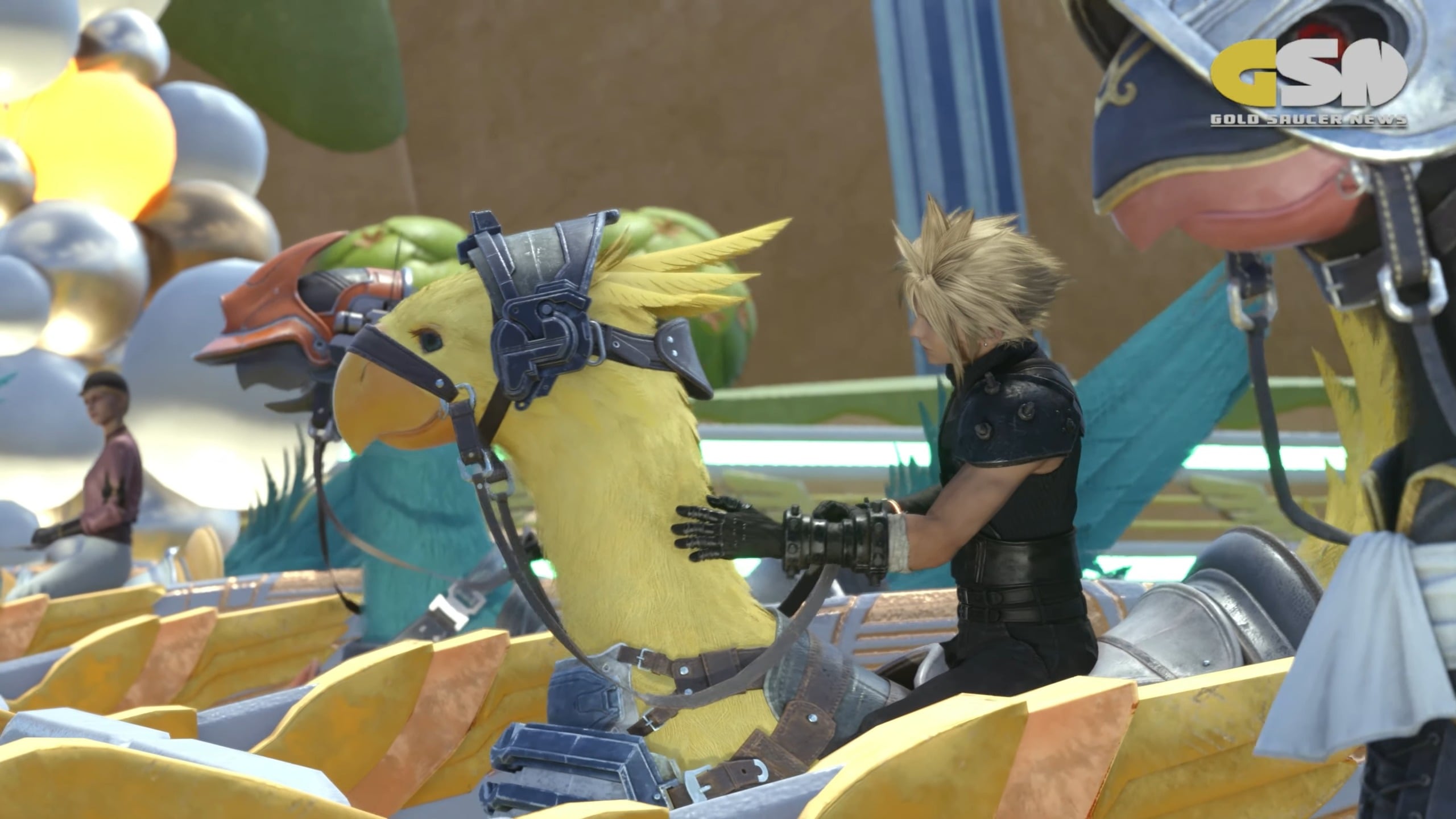
Another strong signal this week: the community has effectively solved FF7 Rebirth’s Chocobo races, exposing how much math sits under the carnival gloss.
The emerging meta frames each race as a time-trial sim more than a party minigame:
- Optimal breeding lines: Players are mapping ideal pairings to hit peak speed and stamina thresholds, turning what looks like flavor content into a genuine progression puzzle.
- Stamina-as-resource: Races reward granular stamina management—short, controlled bursts instead of full-sprint panic. The best runs treat the stamina bar like an ATB gauge, spent in deliberate windows.
- Track scripting: Overtakes are clustered at predictable choke points, rewarding players who memorize track geometry and AI behavior rather than relying on raw stats.
For designers, this is a textbook example of optional content carrying systemic depth. The Chocobo races:
- Reuse core movement and camera tech from the main game.
- Offer a constrained sandbox for tuning speed, friction, and handling curves.
- Provide a low-risk environment to test how much simulation complexity casual players will tolerate.
It’s also a signal that the broader audience is comfortable engaging with spreadsheet-level optimization when the wrapper is approachable and the feedback loop is immediate. That’s a lesson #indiegame racing, roguelike, and management-sim devs should be taking notes on.
Character Pipeline Shock: Sephiroth’s Voice Recast
The third major update is a voice pipeline realignment: veteran actor George Newbern is being rotated out as Sephiroth, with a new voice stepping in for future phases of the project. The fan response matrix is predictably split—nostalgia-weighted disappointment on one side, cautious curiosity on the other.
From a production standpoint, this is a reminder that casting is infrastructure:
- Long-running projects need contingency plans for key talent changes.
- Vocal continuity must be balanced against performance direction shifts as the narrative escalates.
- Marketing beats around iconic characters are always high-risk, high-visibility maneuvers.
For FF7 Rebirth specifically, the recast arrives at a sensitive time: the trilogy is heading into its most emotionally loaded material. Any tonal shift in Sephiroth’s delivery will be front-and-center as the story leans harder into its meta-textual and psychological angles.
For #gamedev teams, the move underlines the importance of voice direction bibles, performance reference libraries, and early alignment between narrative, audio, and marketing. When a character is as central to your brand as Sephiroth is to Final Fantasy, casting changes aren’t just HR decisions—they’re live ops events.
Strategic Outlook: A Project Doubling Down on Identity
Watch: Transmitting Gameplay footage from the field: Official FF7 Rebirth operations briefing
Zooming out, the week’s intel suggests a project that’s doubling down on its identity rather than retreating to the safest version of itself:
- Hamaguchi is openly defending risk-positive narrative design for the finale.
- Side systems like Chocobo racing are being tuned—and exploited by players—as deep mechanical sandboxes, not throwaway distractions.
- Even a volatile move like recasting Sephiroth is being executed without signaling a broader walk-back of the Remake vision.
For developers and analysts tracking final fantasy vii rebirth as a bellwether for AAA storytelling and systems design, the message is consistent: this trilogy intends to end loud, not safe.
Sources and corrections
This archive entry does not have a verified article-source list. Images and video embeds alone are not evidence for every claim.
Found an error? Request a correction. Include the passage and a supporting source.
Your games, in one place
Keep up with FINAL FANTASY VII REBIRTH
Follow this game to collect its posts in your personal feed. Come back to see what you missed.