Automated archive / FINAL FANTASY VII REBIRTH
FFVII Rebirth Demo Breaches Xbox and Switch 2, Expands the Remake Warfront
Final Fantasy VII Rebirth has breached new territory with a cross-platform demo rollout on Xbox Series X|S and Nintendo Switch 2, transforming a former PS5 exclusive into a multi-hardware showcase. This sector report dissects what the demo reveals about Square Enix’s engine scalability, narrative systems, and...
AI-generated summary. This archive article does not have a current recorded source check. Check linked sources before relying on details. Editorial policy
Weekly Sector Intelligence: FINAL FANTASY VII REBIRTH
Square Enix has pushed Final Fantasy VII Rebirth into a new phase of deployment this week, breaking past its original PS5 containment and moving into Xbox Series X|S and Nintendo Switch 2 territory. A live demo slice is now in the wild across rival platforms, giving both players and #gamedev observers a rare, side‑by‑side look at how this flagship action-RPG scales across very different hardware stacks.
From a development update perspective, this is not just a marketing beat—it’s a controlled stress test of combat systems, traversal pipelines, and cinematic streaming tech under new silicon constraints.
Cross-Platform Demo Drop: Strategic Expansion Beyond PS5
Xbox Grid Breach
The "Signal Spike" intel confirms a dedicated FINAL FANTASY VII REBIRTH demo operation on Xbox. This marks the first time the reimagined Midgar exodus and open‑zone structure have been playable on Microsoft hardware.
Key takeaways from the Xbox deployment:
- Combat Systems Under Load: High-bandwidth, real-time combat—ATB, Synergy Abilities, and character switching—are being hammered on a different CPU/GPU profile than PS5. For #gamedev teams watching, this is a live case study in how a heavily cinematic action-RPG maintains responsiveness and animation clarity under alternate threading and memory conditions.
- Cinematic Traversal: The demo’s traversal segments test streaming of large outdoor zones, verticality, and camera-driven setpieces. On Xbox, the question is less "Can it run?" and more "How closely can it mirror PS5’s frame pacing and asset streaming without bespoke hardware like the PS5’s I/O stack?"
- Narrative Fracturing: Rebirth’s memory-fractured storytelling—nonlinear flashbacks, cutscene density, and branching dialogue—stresses not just storage, but narrative state management. The Xbox demo is essentially validating how well the game’s narrative data model ports to a different platform environment.
Switch 2 & Scalability: How Far Can Rebirth Stretch?
The activity feed flags a playable slice on the upcoming Nintendo Switch 2 architecture, and this is where the porting story becomes especially interesting for developers and technical artists.
Scaling a Cinematic Behemoth
Rebirth is built as a high-fidelity, cinematic-first experience. Getting that to behave on a hybrid, likely power-constrained device is an instructive challenge:
- Dynamic Resolution & LOD Strategy: Expect aggressive dynamic resolution scaling and carefully tuned LODs to keep the action legible in combat while preserving silhouettes and key animation beats. This is a prime example of how to prioritize what "must" remain crisp (UI, character faces, FX timing) versus what can gracefully degrade.
- Texture & Memory Budgets: The Switch 2 demo is a live demonstration of texture streaming discipline. If the experience feels cohesive, it will be because environment artists and engineers agreed early on hard caps for memory and texture variety per zone.
- Animation & Input Latency: A handheld-capable platform raises the stakes on input responsiveness. For action-RPGs, perceived latency is as much about animation design (anticipation, follow-through) as it is about pure frame time. The demo will quietly reveal how Rebirth’s combat animation graphs were tuned to survive lower or more variable performance ceilings.
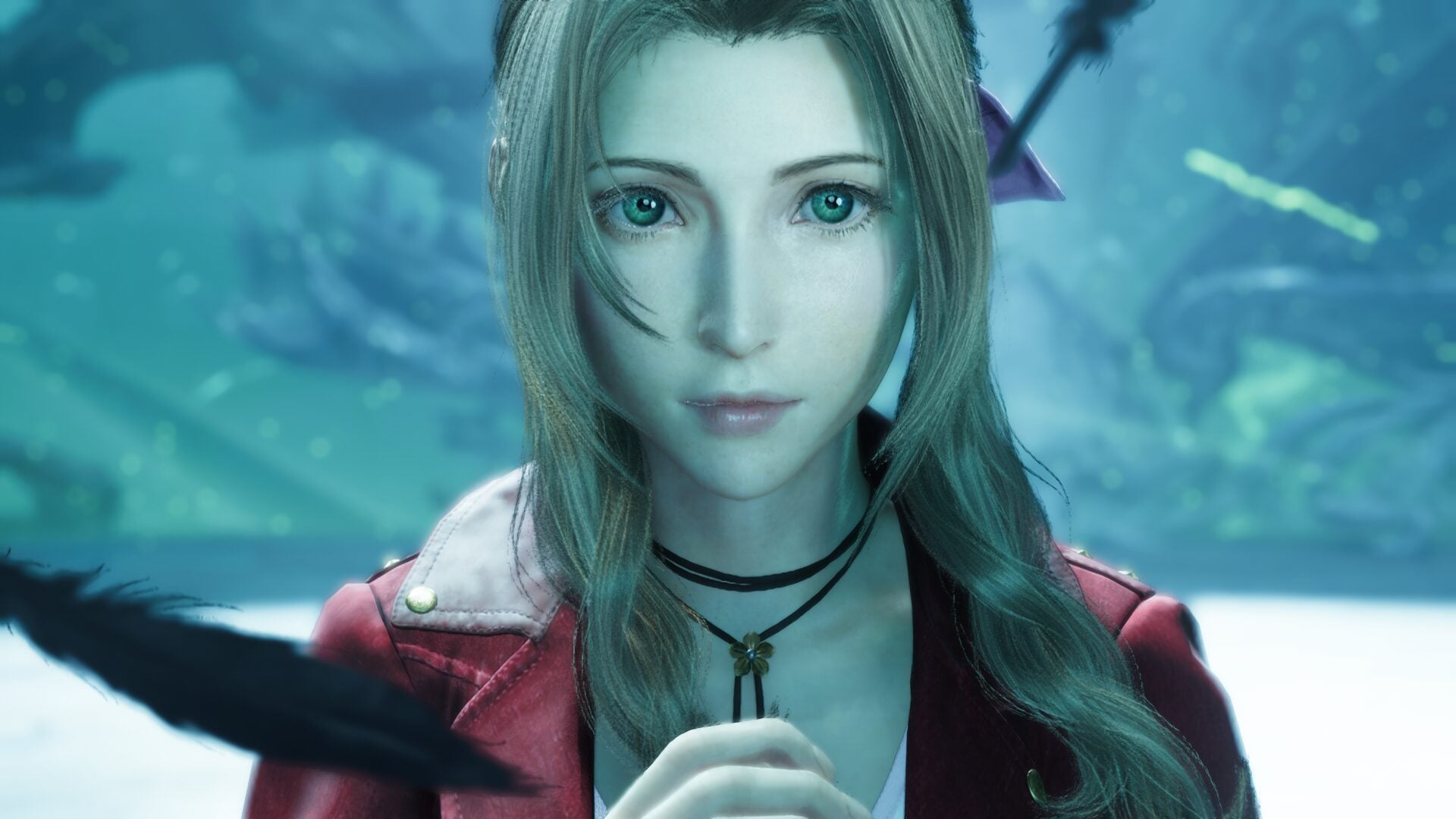
Design & Narrative: Testing Player Choice at Scale
The feed highlights "narrative rewrites" and choice-driven sequences being part of the demo slice. That’s important: this isn’t just a combat sampler, it’s a vertical slice of Rebirth’s broader storytelling ambitions.
For #indiegame and #gamedev teams, there are a few notable patterns here:
- Choice Density in a AAA Pipeline: Rebirth is experimenting with branching dialogue and relationship systems inside a heavily scripted, cinematic framework. Shipping a cross-platform demo with these systems active is a confidence play in the stability of their narrative tools and state tracking.
- Memory-Fractured Storytelling as a Design Pillar: The way Rebirth shuffles timelines, flashbacks, and unreliable memories is a design pattern that smaller teams can study. The trick isn’t just writing—it's building a pipeline where narrative design, quest scripting, and cinematic direction can all iterate on a shared, flexible structure.
Technical Intel: What the Demo Reveals About the Engine
While Square Enix hasn’t fully detailed the tech stack in this drop, the multi-platform demo offers clues:
- Engine Maturity: A synchronized demo launch on PS5, Xbox Series X|S, and Switch 2 strongly implies mature platform abstraction layers and robust asset management. This is the kind of foundation that reduces porting friction for future content drops or expansions.
- Streaming & Asset Reuse: The same core content is now running on three different performance envelopes. That typically means strong modularization of levels, reusable encounter scripting, and a data-driven approach to FX, audio, and cinematics.
- Benchmarking for the Full Campaign: The demo is effectively a telemetry probe. Performance metrics, crash data, and player behavior across all platforms will feed back into final optimization passes before the full campaign deploys.
Market Positioning: Rebirth as a Cross-Platform Flagship
With this week’s moves, Final Fantasy VII Rebirth is no longer framed as a single-platform showcase; it’s repositioning as a cross-platform flagship RPG competing directly for time against Western open-world giants.
For the broader development community, this demo phase underscores a few strategic lessons:
- Demos as Live Ops: Even for a strictly single-player title, a timed demo across multiple ecosystems functions like a live ops event—capturing engagement data, performance metrics, and sentiment before launch.
- Tech as Marketing: The very fact that Rebirth can scale to Xbox and Switch 2 becomes part of its value proposition. Visual parity, or at least perceptual parity, will be closely watched by both players and peers.
As this cross-platform push continues, expect Square Enix to refine both the technical presentation and the messaging around Final Fantasy VII Rebirth, solidifying its status as a cornerstone RPG of the current generation.
Sources and corrections
This archive entry does not have a verified article-source list. Images and video embeds alone are not evidence for every claim.
Found an error? Request a correction. Include the passage and a supporting source.
Your games, in one place
Keep up with FINAL FANTASY VII REBIRTH
Follow this game to collect its posts in your personal feed. Come back to see what you missed.