Automated archive / Pokémon Pokopia
Legendary Pressure and Late-Game Logistics in Pokémon Pokopia
Pokémon Pokopia has quietly shifted from comfy onboarding to high-intensity optimization, with players dissecting legendary routes, infrastructure economies, and traversal tech. This week’s Sector Intelligence Report breaks down how the island’s systems are maturing—and what that means for both players and developers.
AI-generated summary. This archive article does not have a current recorded source check. Check linked sources before relying on details. Editorial policy
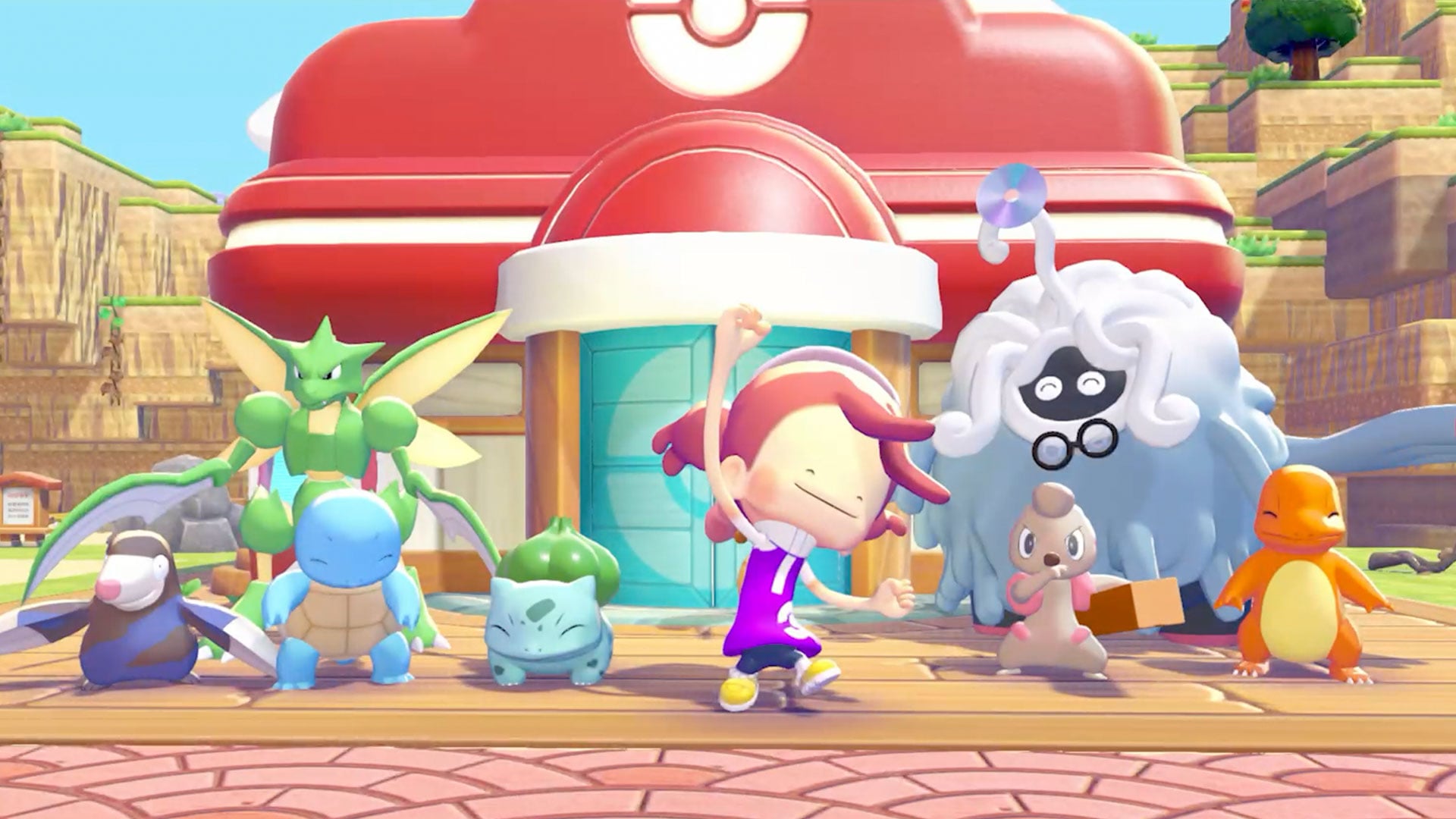
Watch: Transmitting Gameplay footage from the field: Official Pokémon Pokopia briefing
Sector Overview: Pokopia Enters the Legendary Phase
Pokémon Pokopia’s live grid has shifted from onboarding to optimization. Over the last week, player behavior has pivoted hard toward late-game routing, legendary acquisition, and resource-chain mastery. What launched as a chill, mobile-first loop is now operating like a compact live-service war room: trainers are min-maxing traversal upgrades, bending the in-game clock, and dissecting encounter logic to squeeze efficiency out of every session.
From a #gamedev perspective, this week’s data points show a clear design philosophy: layered systems that start approachable, then quietly stack into a dense optimization puzzle. For any #indiegame team studying progression curves, Pokopia is a live case study in how to escalate complexity without rewriting core mechanics.
Legendary Compression: Lugia, Ho-Oh, and the New Apex Meta
The most aggressive spike in search and engagement centers on legendary routing. Guides for how to find Lugia in Pokémon Pokopia and how to find Ho-Oh in Pokémon Pokopia are pulling heavy traffic, and the design choices behind them are telling.
Lugia is framed as a deep-sea, data-current anomaly, locked behind Silver Feathers and specific encounter routing. This isn’t just a rare spawn; it’s a multi-step systems test that forces players to understand resource gating and map flow. Ho-Oh, meanwhile, is positioned as a one-shot capture window tied to late-game sky routes and story flags. Miss your setup, and you’re not just unlucky—you’re out of sync with the game’s narrative cadence.

Design-wise, this legendary layer accomplishes three things:
- Reframes the endgame as a precision exercise, not a raw grind.
- Incentivizes systemic literacy—players must understand flags, chains, and timing.
- Creates social pressure: one-shot legends naturally fuel community FOMO and strategy-sharing.
The companion intel on Ho-Oh’s Rainbow Feather doubles down on this philosophy. It’s not loot—it’s a key, a meta-switch. Treating a single item as a progression cipher is a classic RPG move, but here it’s tightly integrated into Pokopia’s live-service style routing.
Infrastructure as Endgame: Bricks, Concrete, Ice Blocks, and Fluff
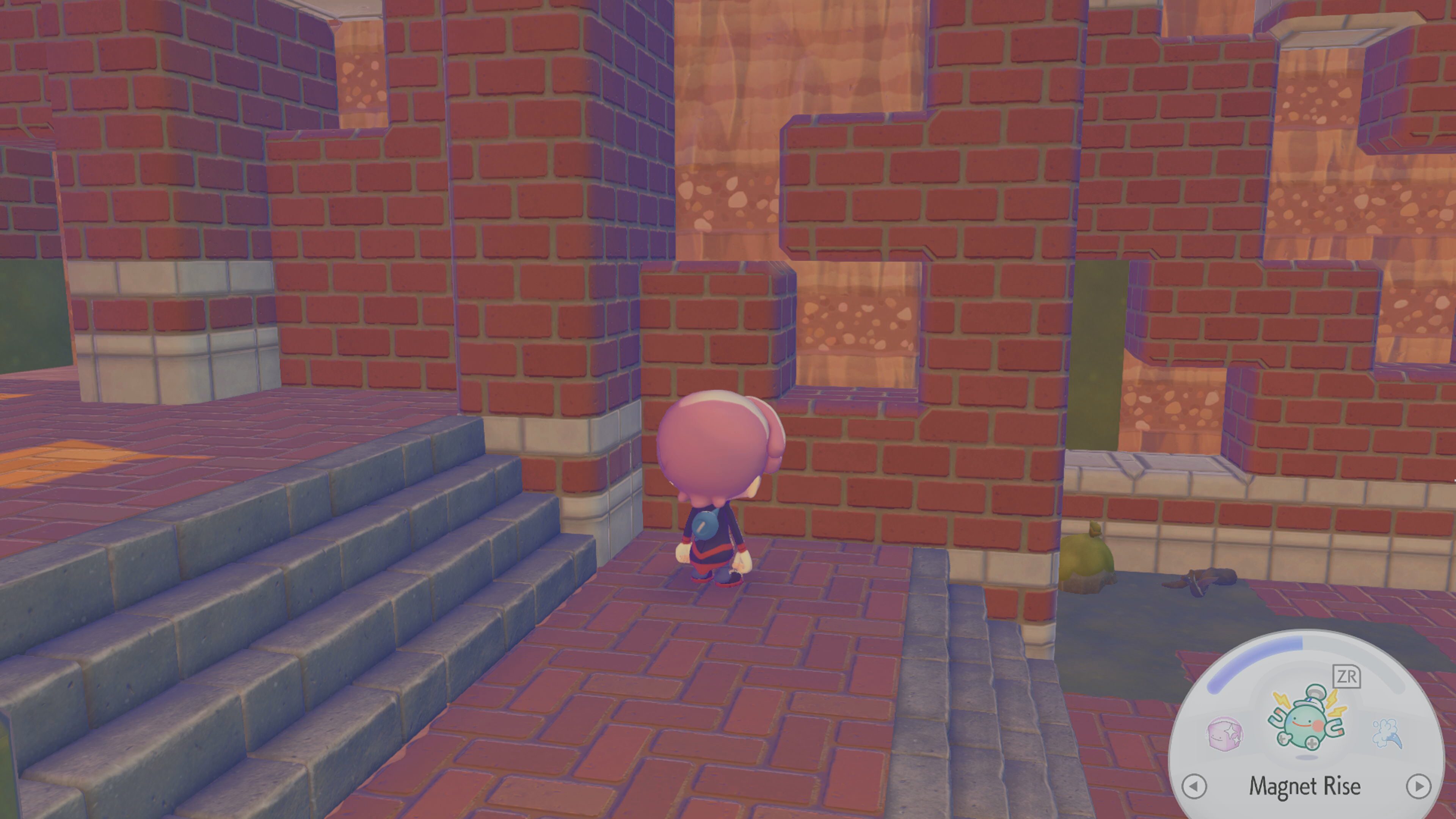
Parallel to legendary hunting, the community’s second big focus is infrastructure economy. Queries for how to get Bricks, how to get Concrete, how to get Ice Blocks, and even softer resources like Fluff and Tomato show players have moved past novelty and into long-horizon planning.
The pattern is clear:
- Bricks & Concrete are treated as structural currencies—keys to sturdier buildings and advanced layouts.
- Ice Blocks & Fluff sit in the mid-tier: crafting reagents that keep production loops and creature care online.
- Tomatoes and similar crops are low-friction, high-frequency resources that keep players tethered to daily cycles.
From a #gamedev lens, Pokopia’s economy is deliberately multi-velocity: some resources push long-term city-building, others keep minute-to-minute engagement alive. This layered pacing is crucial for any #indiegame attempting to blend cozy-sim aesthetics with hardcore optimization.
Systems Maturity: Mood, Time, and Traversal Control
Three subsystems matured significantly in the last week: mood management, time-of-day control, and movement tech.
- Mood System (DJ Rotom) – The "raise the mood" intel reveals a surprisingly granular emotional economy. Chaining interactions, feeding specific dishes, and triggering event scenes effectively turns social play into a buff/debuff layer. This is soft power design: invisible stats with visible payoffs.
- Time-of-Day Override – The ability to change time of day in Pokémon Pokopia from the options menu is a crucial quality-of-life pivot. Instead of forcing real-time waits, the game hands players a chrono-dial. For designers, this is a strong statement: encounter variety matters more than real-world clock friction.
- Traversal Unlocks (Surf & Fly) – Surf via Lapras at Bleak Beach and Fly via Dragonite aren’t just mobility perks; they’re map reinterpretation tools. Once unlocked, old zones become new puzzles, and legendary routes become realistically scannable.
Taken together, these systems show Pokopia quietly shifting from passive, session-based play to player-authored pacing.
Multiplayer, Missing Pokémon, and Dev Island: Networked Design in Practice
The Pokémon Pokopia multiplayer breakdown confirms the game’s co-op ambitions: shared exploration, synchronized resource runs, and squad-based optimization. This isn’t MMO-scale, but it’s enough to turn resource loops and legendary hunts into social rituals.
The guide on how to find missing Pokémon is equally revealing. The fact that "lost" units are often the result of quest triggers and relocations points to a highly scripted world state machine. From a development update standpoint, this is both a strength (dynamic world reactivity) and a UX risk (player confusion when state changes aren’t clearly surfaced).
Finally, the intel on Pokopia’s developer island is the most overtly #gamedev-facing feature in the entire data set. Giving players a peek at dev-only layouts and item setups is a soft form of transparency—a way to let the community reverse-engineer design logic, then clone it in their own builds. For aspiring #indiegame creators, it’s a living tutorial in environmental composition and economy staging.
Critical Readout: Review, 60-Hour Impressions, and Long-Term Viability
The formal Pokémon Pokopia review frames the project as a "tactical remix" that falls short of Nintendo’s highest structural standards. Pacing, UX clarity, and challenge tuning are flagged as inconsistent. Yet the separate 60-hour field report paints a different picture: a dense, long-form loop that deeply rewards route planning and resource micromanagement.
Watch: Transmitting Gameplay footage from the field: Extended Pokopia systems analysis
The tension between those two assessments is instructive for developers:
- Onboarding and first 30 minutes: civilian-friendly, low-intensity, mobile-calibrated.
- Post-tutorial and into endgame: RTS-lite optimization, bordering on niche hardcore.
Pokopia is effectively running a dual identity—cozy surface, tactical core. That split explains both the criticism (expectations set by early-game tone) and the retention (players who push through discover a robust, if uneven, systems sandbox).
Sector Forecast: Where Pokopia’s Design Is Heading
Based on this week’s activity, Pokémon Pokopia is entering a stability and refinement phase rather than a disruptive content spike. Legendary routing, infrastructure economies, mood and time manipulation, and co-op optimization are all live and actively engaged with.
For #gamedev teams, the signal is clear: Pokopia is a live laboratory in how far you can push systemic depth inside a broadly accessible wrapper. For players, the message is simpler—if you’re willing to think like an ops handler instead of a casual trainer, Pokopia’s island still has plenty of code left to crack.
Sources and corrections
This archive entry does not have a verified article-source list. Images and video embeds alone are not evidence for every claim.
Found an error? Request a correction. Include the passage and a supporting source.
Your games, in one place
Keep up with Pokémon Pokopia
Follow this game to collect its posts in your personal feed. Come back to see what you missed.
More to read about Pokémon Pokopia
- Source-checked briefPumpkaboo event begins in Pokémon Pokopia
Pumpkaboo’s Sweet Surprises runs from October 17 at 5:00 a.m. to November 1 at 4:59 a.m. local time. Players can collect pumpkin candy for event furniture, befriend Pumpkaboo, and create a...