Automated archive / Pokémon Pokopia
Pokémon Pokopia’s 2.2M Breakout, Volcanion Uplink, and the Appliance Meta
Pokémon Pokopia has detonated out of the gate, selling 2.2 million units in four days while quietly turning refrigerators, washing machines, and mythicals like Volcanion into core progression levers. This week’s Sector Intelligence Report breaks down how Nintendo’s island experiment is rewriting the rules for...
AI-generated summary. This archive article does not have a current recorded source check. Check linked sources before relying on details. Editorial policy
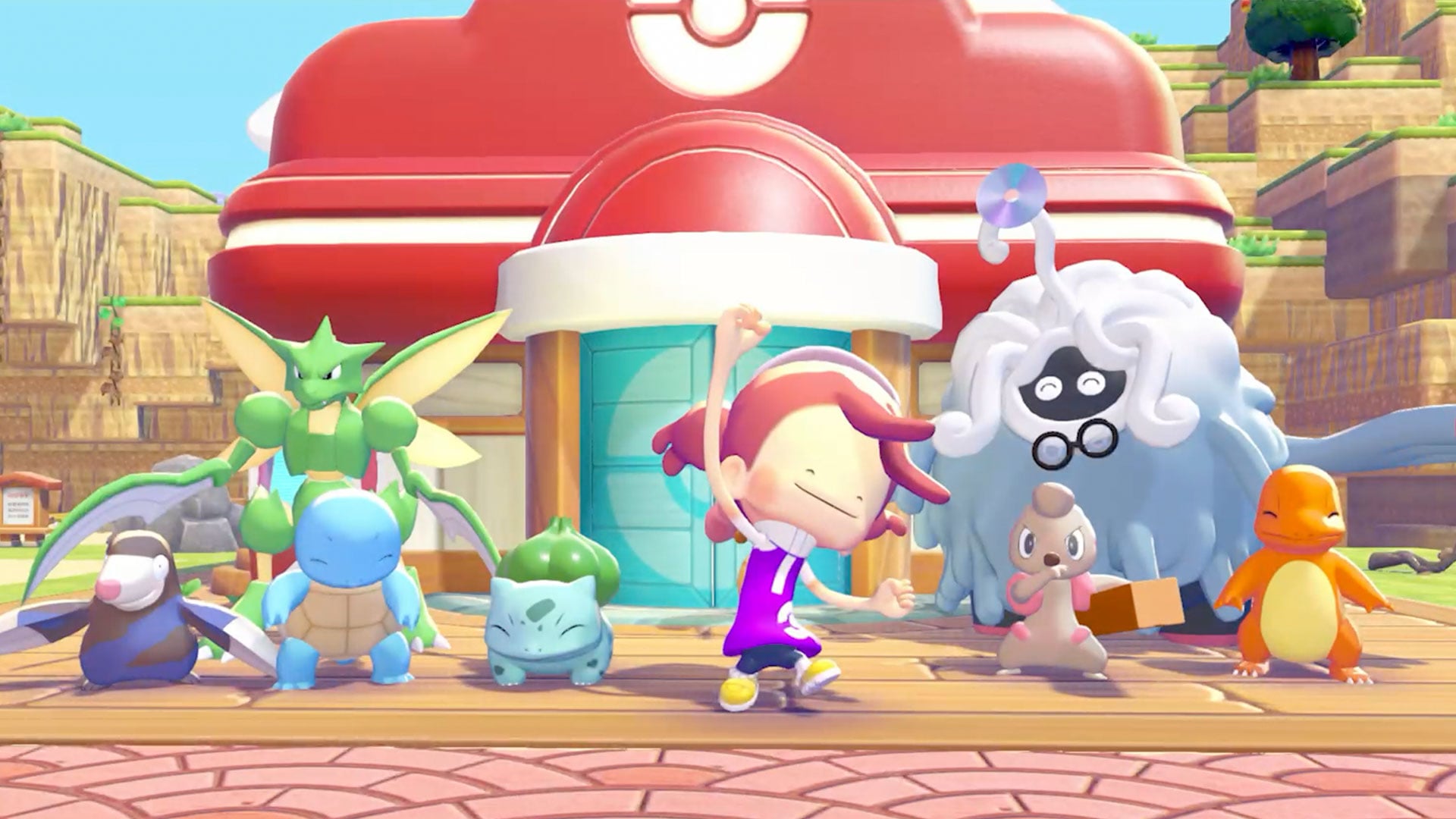
Sector Snapshot: Pokopia Goes Critical in Four Days
Pokémon Pokopia has moved from curiosity to confirmed market event. In its first four days, the title has breached 2.2 million units sold worldwide, triggering a reported 10.5% spike in Nintendo’s share price—the company’s strongest surge since April 2025. For #gamedev analysts, that’s not just a sales headline; it’s a live case study in how a familiar IP can be retooled into a systems‑driven, builder‑leaning experience without losing mainstream pull.
The early data suggests Pokopia is landing in three overlapping sectors:
- Core Pokémon audience drawn by the brand and creature roster.
- Cozy-builder and life-sim players attracted to its settlement and infrastructure loop.
- Systems-first designers and #indiegame devs watching how Nintendo wraps progression, appliances, and mythicals into a single economic spine.
The result: Pokopia isn’t just selling well—it’s rapidly becoming a reference point for hybrid design in live and offline ecosystems.
Mythical Uplink: Volcanion as a Late-Game Systems Test
A fresh field report details the full deployment route for Volcanion, positioning the Mythical Fire/Water unit as a late-game systems exam rather than a simple collectible.
Key takeaways from the Volcanion intel:
- Unlock conditions: Volcanion is gated behind specific mission triggers and progression thresholds, reinforcing that mythicals are system milestones, not random luck.
- Mission triggers: Operators must track a chain of objectives and NPC cues, emphasizing environmental storytelling over menu‑driven checklists.
- Optimal engagement windows: The encounter design nudges players to understand time, weather, or state-based conditions—classic Pokémon DNA, reframed inside Pokopia’s builder economy.
For designers, Volcanion highlights how Pokopia uses high-value units as skill checks in disguise. You’re not just strong enough; you’re informed enough. That’s a critical distinction for anyone studying retention and late-game pacing.
Infrastructure Play: Appliances as Core Progression Nodes
Pokopia’s last week of community chatter has been dominated not by legendaries, but by appliances: the Refrigerator, Washing Machine, and even a retro Game Boy System. These aren’t throwaway props—they’re progression levers.
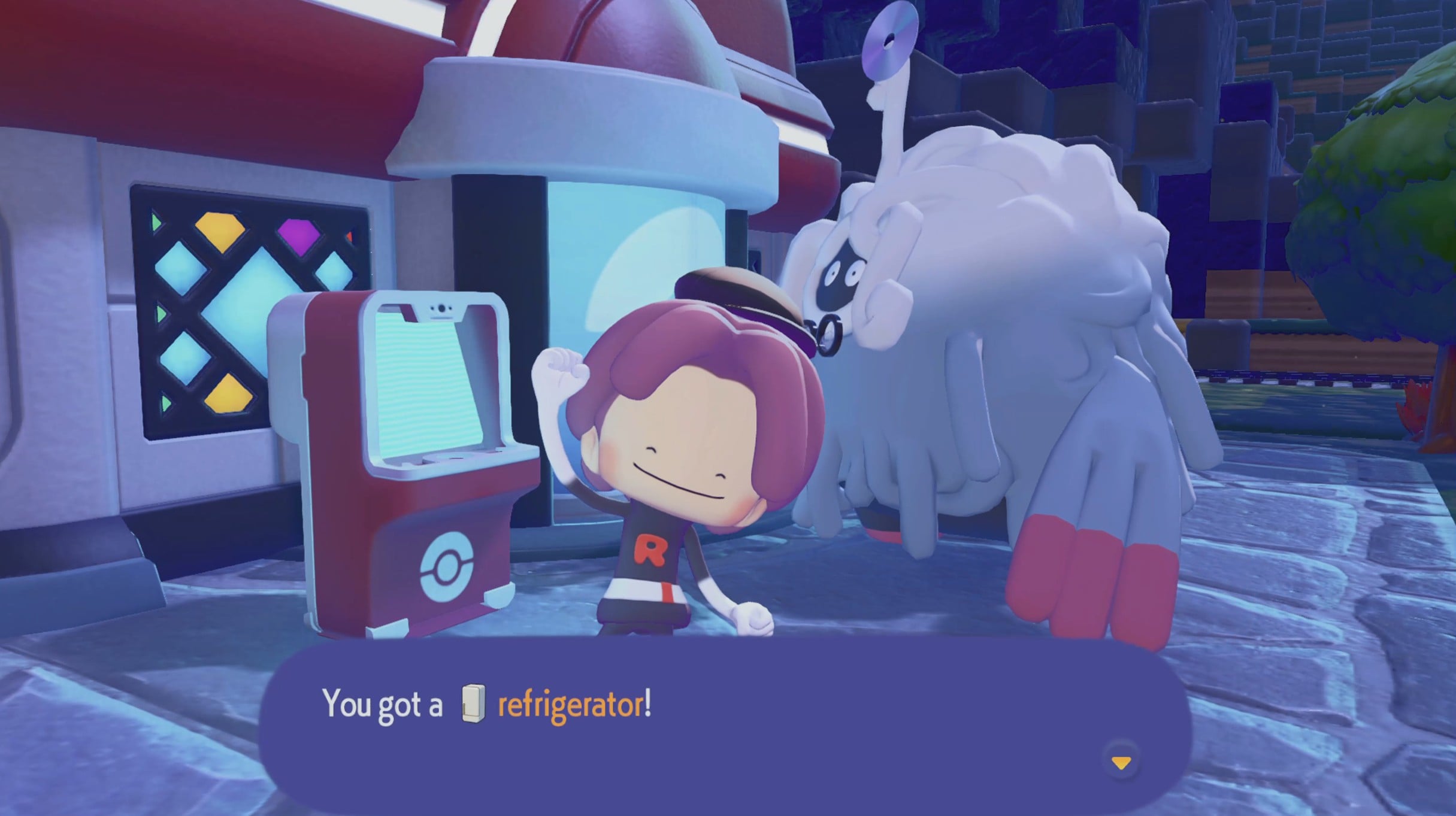
Refrigerator: Cold Storage as a Throughput Multiplier
Intel on where to get the Refrigerator in Pokémon Pokopia frames it as a core utility node for your kitchen network:
- Supply chain: Players trace routes across facilities, trade posts, and quest givers to unlock purchase conditions.
- Function: The Refrigerator stabilizes ingredient management and boosts cooking throughput—effectively a soft cap remover for food-based progression.
- Design read: This turns a mundane object into a macro-level pacing tool. You don’t just gain convenience; you unlock a new economic tempo.
Washing Machine: Late-Game Lifestyle Tech
The Washing Machine is flagged as a late-game mission reward, buried in cluttered interiors and dependent on NPC hint trails. That placement signals a design intent:
- It’s less about survival, more about quality-of-life escalation.
- Acquisition relies on attention to environmental details and quest logs, rewarding players who track micro-signals rather than brute-forcing content.
In aggregate, these appliances illustrate a clear Pokopia thesis: domestic infrastructure is endgame content. For #gamedev teams experimenting with builder‑meets‑RPG loops, this is a strong example of how to make everyday objects feel like strategic upgrades.
Game Boy System: Retro Hardware as Narrative Key
The Game Boy System is explicitly framed as a late-mission key item tied to endgame flow and bonus content streams:
- Vendor‑locked: It appears in specific zones with inventory flags rather than random drops.
- Narrative weight: As a meta-object inside a Pokémon world, it anchors nostalgia while advancing progression.
- Systems angle: It acts as a content gateway, unlocking new chains rather than just offering cosmetic nostalgia.
For #indiegame developers, this is a potent reminder: legacy references work best when they unlock systems, not just memories.
Market Optics: Did Nintendo Undervalue Pokopia’s Ceiling?
A parallel transmission from a recent podcast asks whether Nintendo underestimated Pokémon Pokopia. The 2.2M opening and associated stock surge argue that internal forecasts might have been conservative—especially for a spin that downplays traditional battling in favor of settlement‑first play.
From a sector intelligence standpoint, three signals stand out:
- Awards vs. Audience: BAFTA 2026 discourse shows how prestige circuits sometimes lag behind market reality. Pokopia’s early numbers suggest it may become a player‑driven hit first, awards darling second.
- Portfolio Strategy: If Pokopia maintains momentum, it strengthens the case for more experimental Pokémon sub‑labels, each tuned to different playstyles and monetization arcs.
- Risk Calibration: Nintendo’s apparent caution here will be instructive for platform holders weighing how far they can bend legacy IP without breaking it.
Watch: Transmitting Gameplay footage from the field: Official Pokémon Pokopia systems showcase
Design Intel for Developers: Why Pokopia Matters
For developers dissecting pokémon pokopia as a live design document, this week’s intel crystallizes a few actionable lessons:
- Mythicals as Mastery Gates: Volcanion’s route shows how to turn rare units into knowledge checks that validate a player’s understanding of systems, not just their stats.
- Appliance Meta as Progression Spine: Refrigerator and Washing Machine quests demonstrate that domestic upgrades can be framed as macro-progression, not mere decoration.
- Retro Objects as System Keys: The Game Boy System’s role is a template for integrating nostalgia in a way that unlocks mechanics and missions, rather than sitting as static fan service.
As more field reports land—covering legendary deployments, construction materials, and mood systems—Pokopia is rapidly evolving into a case study for hybrid builder-RPG design. Whether you’re tuning your own #indiegame economy or mapping out a next-gen live service, keeping this island on your radar isn’t optional anymore; it’s baseline sector literacy.
Sources and corrections
This archive entry does not have a verified article-source list. Images and video embeds alone are not evidence for every claim.
Found an error? Request a correction. Include the passage and a supporting source.