Automated archive / Pokémon Pokopia
Pokémon Pokopia Turns Appliances, Retro Tech, and Stock Charts into Game Systems
Pokémon Pokopia’s first-week data shows a life-sim spin-off that quietly behaves like a systemic live-service platform, moving both stock charts and design discourse. From refrigerators and washing machines to a Game Boy-powered endgame, Pokopia is turning domestic items and retro hardware into progression-critical...
AI-generated summary. This archive article does not have a current recorded source check. Check linked sources before relying on details. Editorial policy
Sector Overview: Pokopia’s First-Week Shockwave
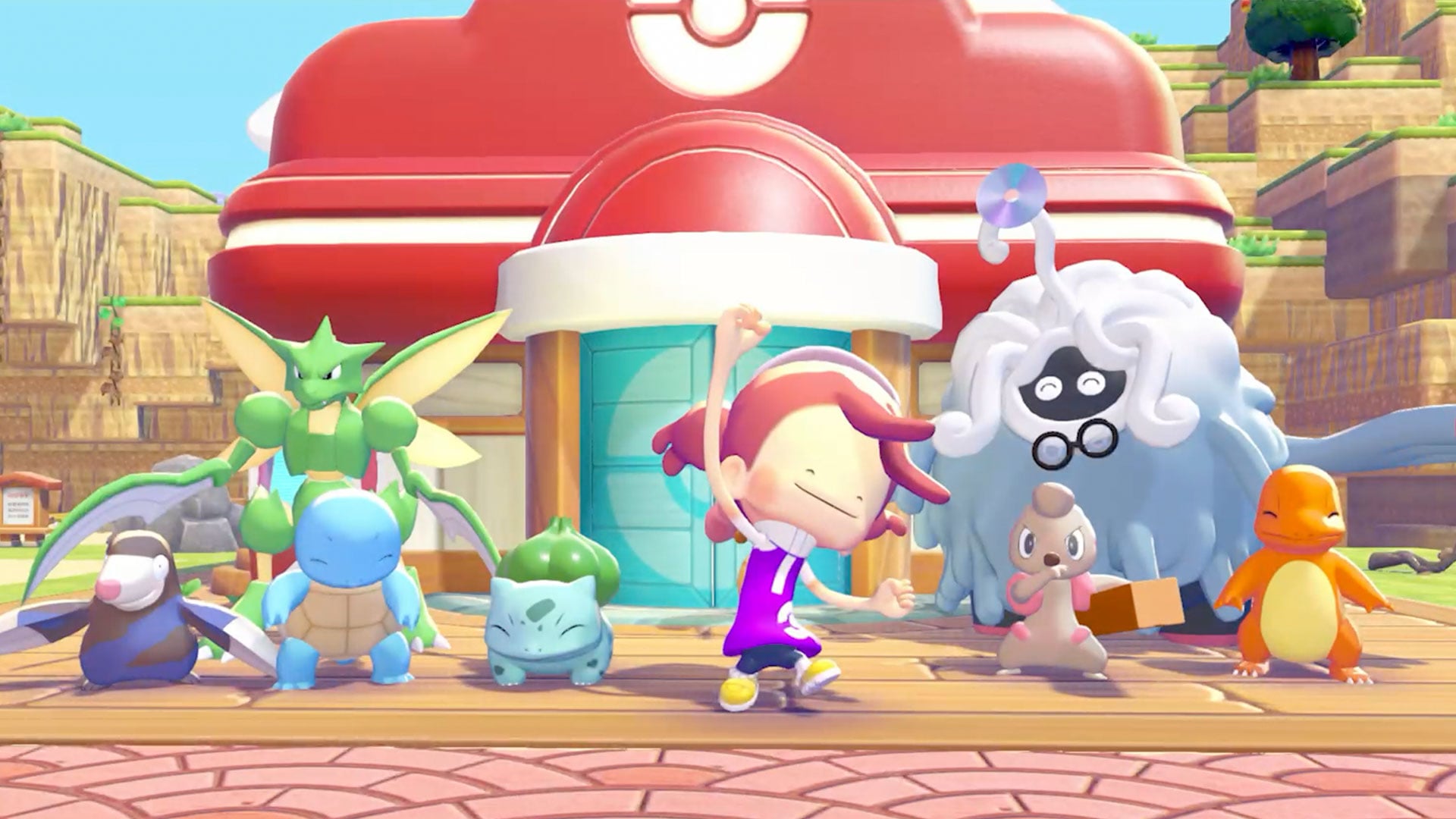
Pokémon Pokopia has moved from curiosity to confirmed market event. In a four-day launch window, Nintendo’s island-builder spin on its flagship monster IP has pushed through 2.2 million units sold, triggering a 10.5%+ share price spike and a subsequent 15% rally over 48 hours as investors recalibrated their models around mobile engagement and live-service retention. For #gamedev teams tracking IP leverage, it’s a live case study in how a familiar brand can be retooled into a systemic sandbox without bleeding audience reach.
At the same time, discourse around whether Nintendo underestimated Pokémon Pokopia—and its awards potential in the BAFTA 2026 cycle—signals a tension between critical prestige and player heat. The data points emerging from the field this week suggest Pokopia is quietly positioning itself as a long-tail platform rather than a disposable spin-off.
Systems Intelligence: When Appliances Become Progression Nodes
This week’s player telemetry revolves around a surprising axis: domestic appliances as late-game infrastructure. Far from set dressing, Pokopia’s home items are behaving like core progression systems with quest-gated acquisition and networked utility.
Refrigerator: Cold Storage as a Resource Multiplier
The Refrigerator in Pokémon Pokopia is framed in community chatter as a “core utility node” rather than cosmetic fluff. To secure it, players must:
- Trace supply routes across the island’s trade posts and facilities
- Interact with specific quest givers that silently flag its availability
- Meet purchase conditions that effectively act as a soft check on mid-game economy mastery
In design terms, the fridge is a throughput amplifier for the cooking loop. By extending ingredient shelf life and tightening prep cycles, it increases the player’s effective resource yield per in-game day. This is a classic systemic design trick: gate a powerful quality-of-life upgrade behind multi-step exploration to incentivize map literacy and NPC engagement.
Washing Machine: Late-Game Lifestyle Tech
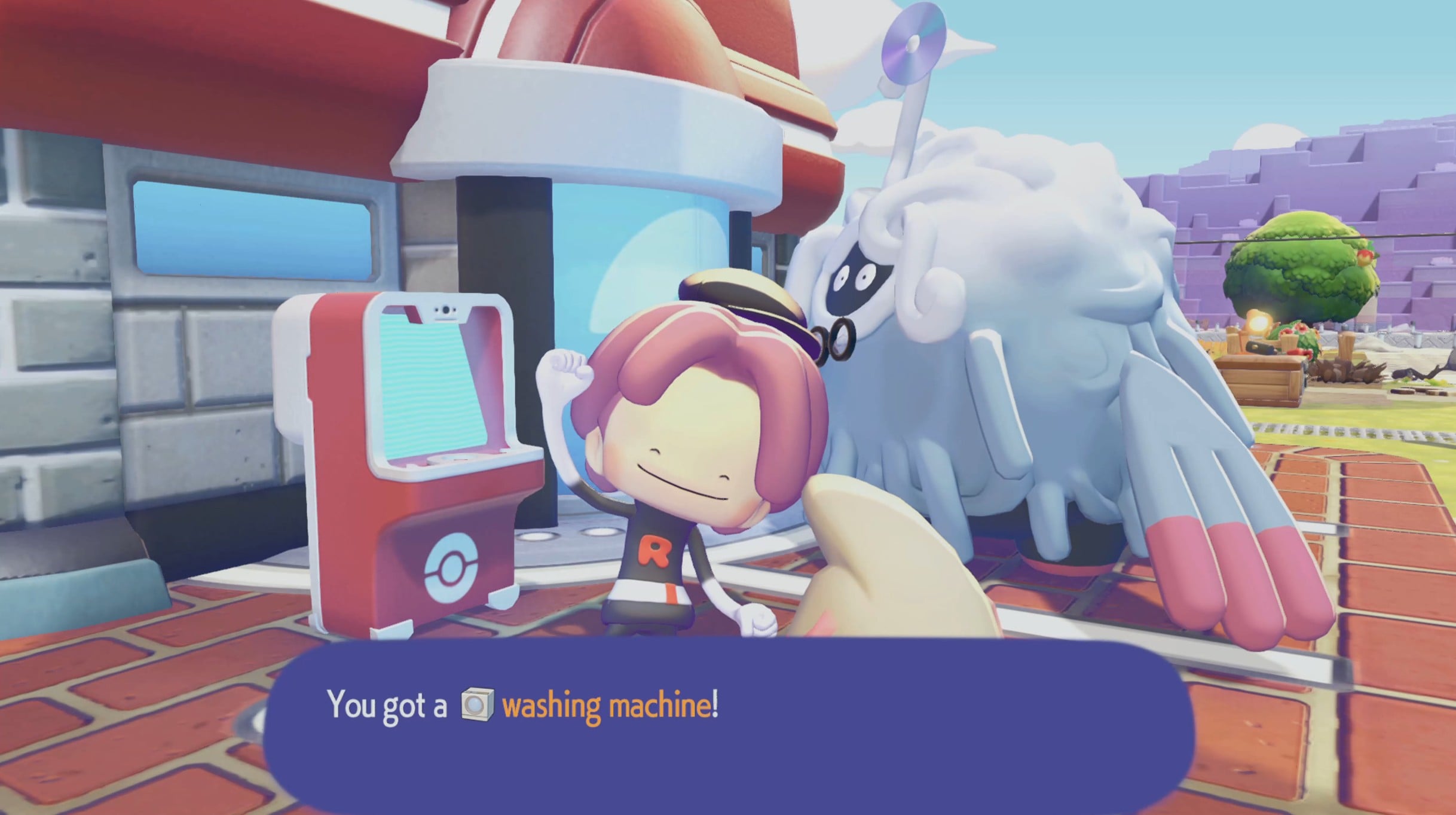
The Washing Machine in Pokémon Pokopia is surfacing as a late-game mission chain reward, discovered not via obvious markers but through environmental storytelling and NPC chatter. Players are:
- Combing cluttered interiors for subtle interaction prompts
- Parsing mission logs for location hints
- Completing delivery-style objectives to integrate the machine into their settlement
Functionally, it appears to sit at the intersection of fashion, mood, and social systems—keeping outfits clean, supporting higher mood states, and indirectly boosting productivity loops. For #indiegame devs studying life-sim economies, this is a strong example of how to make “boring” objects feel like tech-tree milestones rather than checklist items.
Retro Hardware as Narrative Key: The Game Boy System
Watch: Transmitting Gameplay footage from the field: Official Pokémon Pokopia trailer
The week’s most intriguing datapoint is the Game Boy System in Pokopia. Instead of a random collectible, it’s a late-mission key item wired directly into the endgame mission flow:
- Tied to a specific vendor zone with inventory flags that only flip after certain progression thresholds
- Unlocks critical mission chains and bonus content streams once acquired
- Functions as a meta-device, reinforcing Nintendo’s hardware legacy inside the fiction
From a design perspective, this is layered:
- Nostalgia as System, Not Decoration – The Game Boy isn’t just a wink to veterans; it’s a structural gate that unlocks new content, making nostalgia mechanically relevant.
- Vendor Design as Narrative Delivery – By embedding the item in a targeted shop ecosystem, Pokopia turns a basic transaction into a story beat and a player-driven discovery moment.
- Endgame On-Ramp – Positioning the Game Boy as a late-game acquisition gives Pokopia a second wind, preventing the typical life-sim falloff once players stabilize their economy.
For #gamedev teams, this is a blueprint for how to weaponize legacy artifacts without turning them into throwaway collectibles.
Market Telemetry: Stock, BAFTAs, and the Live-Service Horizon
The 2.2M units in four days and subsequent 15% stock rally underscore a simple truth: even after decades, pokémon pokopia-style experiments—splicing a dominant IP into a slower, systemic format—can reset market expectations. Key signals:
- Investor Sentiment Reset: After a ~40% drawdown over three months, Pokopia’s performance reads as a hard reset on Nintendo’s near-term narrative. Mobile and live-service angles are now front and center in analyst notes.
- Awards vs. Player Heat: The BAFTA 2026 debate around Pokopia highlights an awards meta that still favors traditional prestige genres. Yet the engagement metrics suggest a widening gap between critical archetypes and what players are actually sinking time into.
- Retention Watch-Points: Appliance upgrades, retro key items, and settlement infrastructure all point to a content runway designed for long-term retention. Expect further systems-layer drops—new appliances, cross-IP events, or seasonal construction materials—to keep the island’s economy in motion.
Strategic Takeaways for Developers
For studios monitoring Pokémon Pokopia as a live case study:
- Turn Mundane Objects into Systemic Anchors: Refrigerators and washing machines become memorable when they’re deeply wired into progression, economy, and mood systems.
- Use Legacy Hardware as Design Gravity: The Game Boy System shows how to treat nostalgia as a mechanical keystone, not just a collectible.
- Design for Investor-Visible Metrics: Pokopia’s structure is optimized for DAU/MAU-friendly loops—short-session chores, medium-horizon goals (appliance unlocks), and long-tail meta (endgame devices) that map cleanly to retention dashboards.
Pokémon Pokopia’s first-week data suggests it’s more than a side experiment. It’s a live template for how to recast a blockbuster IP into a systemic island sim, while simultaneously moving stock charts, awards conversations, and design discourse.
Sources and corrections
This archive entry does not have a verified article-source list. Images and video embeds alone are not evidence for every claim.
Found an error? Request a correction. Include the passage and a supporting source.