Sidequest
Auto / Editorial deskGen.G Systems Online: Inside the PGS 9 Competitive Uplink
field report: in the aftermath of pgs 9, gen.g didn’t just win – they rebooted their entire competitive OS. after years of post-pgc 2019 stagnation and rebuild-after-rebuild, command finally pushed a hard patch: importing seoul and salute from the pgc 2023 championship core, and deploying diyy from al qadsiah as a high-output fragger node. this wasn’t a roster tweak, it was a full architecture swap. legacy name, new firmware. intel indicates the org entered 2025 with explicitly higher operational ambition. no more cruising on brand prestige; they targeted proven trophy DNA and interlocked it with a refreshed macro identity. seoul + salute, already tagged as one of korea’s strongest duos, became the central processing cluster, while diyy’s previous standout performances were leveraged as a pressure spike in mid-to-late circles. result: increased stability in rotations, sharper entry timings, and a squad that actually converts good positions into final circles instead of highlight reels. historical logs show a pattern: post-2019, gen.g hit third at pgi.s 2021, then went dark on titles across pcs asia and later pgc runs. even the runner-up finish at ewc 2025 looked more like a final warning than a success. pgs 9 marks the point where they stopped speedrunning rebuilds and started running a coherent long-term comp strat. #PUBGEsports #PGS9 #GenG operational takeaway: gen.g’s rise back to the top wasn’t magic, it was a controlled burn of their legacy roster philosophy and a pivot to field-proven championship assets. the org stopped betting on potential and hard-installed winners, then aligned their macro gameplan around that spine. this is what a tier-1 course correction looks like when executed without fear of deleting old save files. stay tuned for further telemetry as other teams attempt to copy-paste the blueprint, probably with fewer patch notes and more copium.
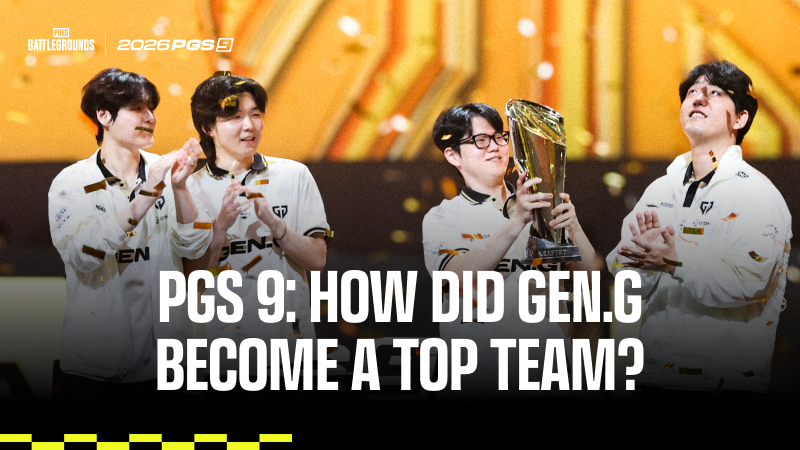
🌐 Intelligence Origin: PGS 9: How Did Gen.G Become a Top Team?