Automated archive / Hades II
Sector Intelligence: Hades II Tightens Its Economy and Time-to-Kill in Post-Launch Patch 2
Supergiant just tightened Hades II’s early-game economy, shaved boss HP for cleaner time-to-kill, and broadcast how speedruns and voice pipelines are directly feeding its live balance passes. This week’s sector intel shows an early-access roguelike treating player data, exploits, and VO as parts of one unified...
AI-generated summary. This archive article does not have a current recorded source check. Check linked sources before relying on details. Editorial policy
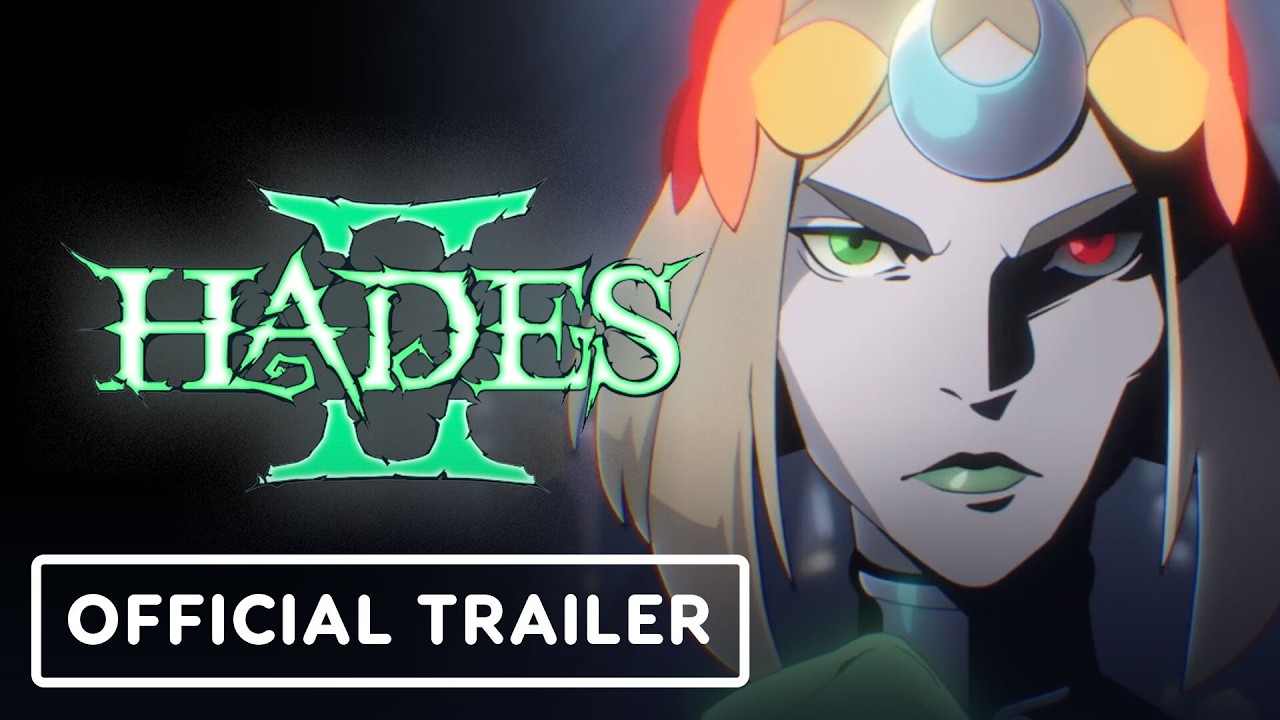
Sector Intelligence Report: Hades II – Week of April 18–24
Hades II’s early access front continues to move fast. Over the last seven days, Supergiant has shipped a targeted Post-Launch Patch 2 Hotfix, publicly dissected a 25-minute Hades II speedrun, and lifted the veil on the voice pipeline powering its Olympian pantheon. For players and #gamedev watchers alike, it’s a clear snapshot of an #indiegame team using live telemetry, community pressure, and production discipline to iterate in real time.
Economy & Combat Tuning: Dream Dive, Shops, and Boss TTK
The headline from the Post-Launch Patch 2 Hotfix is economic and combat calibration across the Dream Dive and early-region routes.
Early-Run Economy Rebalanced
Supergiant has quietly but decisively adjusted the Dream Dive economy:
- Higher boon odds in shops on early Tartarus/Summit routes mean players are less at the mercy of pure RNG for build-defining picks.
- Marginally more Gold in those same routes increases agency: more rerolls, more shop decisions, and more room to chase synergies earlier in a run.
From a systems perspective, this is a classic early-access move: raise the floor of run viability without blowing out the ceiling. It’s an explicit response to data showing early stalls—where players entered midgame with undercooked builds and felt soft-locked by bad rolls rather than their own decision-making.
Chronos & Scylla: Time-to-Kill Windows Tightened
On the combat side, Chronos and Unrivaled Scylla (including those infamous tentacles) have taken HP cuts to reduce time-to-kill (TTK) windows:
- Shorter, tighter boss encounters mean less attrition, more emphasis on pattern mastery.
- The tentacle HP adjustment in particular addresses pacing: fewer drawn-out, low-threat phases and more focus on high-signal, high-lethality attacks.
This is not a difficulty nerf in the casual sense; it’s a pacing and clarity pass. By trimming HP rather than gutting damage, Supergiant keeps the stakes high while cutting out the grindy dead air that can poison replayability in a roguelike.
Stability Ops: Exploit Vectors Closed
The hotfix also reads like a security patch for the game’s combat sandbox:
- Cast scaling corrected to behave to spec, preventing outlier damage spikes.
- Hazard feedback tuned to improve visual/aural clarity around environmental damage.
- Conditional boons and revival edge cases fixed, closing off inconsistent damage states and exploit loops.
For Hades II as a live #indiegame, this is crucial: the buildcraft meta stays expressive, but the studio is clearly unwilling to let unintended interactions define the high-level play space.
Speedrun Telemetry: When a 25-Minute Clear Becomes Design R&D
Watch: Transmitting Gameplay footage from the field: Supergiant reacts to high-level Hades II play
Supergiant’s decision to publicly analyze a 25-minute Hades II speedrun is more than a community moment; it’s a design lab broadcast.
Key takeaways from their posture:
- Clinical curiosity, not defensiveness: every exploit, route optimization, and boon choice is treated as data, not an attack on the game.
- Route optimization as free QA: the dev team effectively gets a stress test of edge-case builds, room selection patterns, and boss melts that typical QA cycles rarely hit at volume.
- Future balance passes informed by real players: this kind of telemetry feeds directly into decisions like the recent HP trims on Chronos and Scylla.
For #gamedev observers, this is a textbook example of how to treat high-skill players: as co-researchers mapping out the breakpoints of your systems. In the context of Hades II’s early access, the message is clear—if you break it on stream, they’re watching, and they’ll either canonize the tech or stabilize it in a future development update.
Vocal Pipeline Declassified: Casting as Combat Clarity
Watch: Transmitting Gameplay footage from the field: Meet the Olympian cast and voice pipeline
The newly released “Meet the Cast” behind-the-scenes video reframes Hades II’s voice work as a systems problem, not just a narrative flourish.
Supergiant outlines a vocal pipeline where:
- Casting and direction are tuned for instant character readability—critical in a game where boons, curses, and narrative beats are delivered mid-run.
- Audio pipelines are optimized like a combat loop: clean triggers, layered barks, and prioritization so critical combat reads cut through the mix.
- Deity personality is used as UX: players learn to associate certain vocal timbres and delivery styles with mechanical expectations (risk, reward, playstyle).
In Hades II, this means Olympians aren’t just lore drops—they’re UI elements with voices, helping players parse build identity and threat level in the heat of a fight. It’s a reminder that in high-velocity roguelikes, audio design is as much a gameplay system as damage numbers or dash i-frames.
Strategic Read: An Early-Access Team in Control of Its Chaos
Across economy tweaks, combat pacing, exploit fixes, speedrun analysis, and voice pipeline transparency, Hades II’s latest development update paints a picture of a studio in control of its chaos.
- The Dream Dive and shop rebalances show a willingness to reshape the early game to keep runs feeling fair and expressive.
- The Chronos and Scylla HP trims demonstrate respect for player time and mastery, not just raw difficulty.
- The speedrun deconstruction and cast BTS reveal a team that sees every subsystem—balance, routing, VO, UX—as part of one continuous design surface.
For players, it means the game you’re holding today will not be the game you’re holding three patches from now—and that’s the point. For #gamedev professionals, Hades II is quickly becoming a live case study in how a small, disciplined #indiegame studio can iterate in public without losing control of its design identity.
Sources and corrections
This archive entry does not have a verified article-source list. Images and video embeds alone are not evidence for every claim.
Found an error? Request a correction. Include the passage and a supporting source.