Back to guides and news
Gaming
April 23, 2026
Sector Intelligence Report: How Hades II Turns Speedruns, Voice Ops, and Hotfixes into Live-Fire Design Data
Sector Overview: Hades II as a Live-Operated Myth Engine
Hades II’s early access window is no longer just a test; it’s a live-fire #gamedev laboratory where player behavior, creator experimentation, and Supergiant’s meticulous iteration loop are feeding directly into the game’s long-term shape. Over the last week, three distinct signals stand out: an elite 25-minute speedrun treated as design telemetry, a declassified look at the vocal pipeline behind the Olympian cast, and a surgical hotfix that quietly hardens late-game stability. Together, they show how this #indiegame sequel is evolving in public while keeping its identity intact.
Speedrun Deconstruction: 25 Minutes as Design Telemetry
Supergiant’s reaction to a sub-25-minute Hades II speedrun is telling. Instead of bristling at exploits or over-tuned boons, the team is treating the run like a controlled chaos experiment—every route decision, boon stack, and exploit is data.
From Exploit to Design Signal
The studio’s posture here is crucial for Hades II’s long-term health:
- Exploit mapping: Any tech that lets runners bypass intended friction (enemy AI leashing, room skip tech, unintended boon synergies) becomes a catalog of “pressure points” in the design.
- Route optimization heatmap: When top players converge on specific paths, it reveals which regions, encounters, and meta-progression payoffs are over- or under-valued.
- Boon economy calibration: Hyper-efficient boon combinations don’t just get nerfed; they inform how future boons, curses, and weapon aspects are tuned to maintain diversity in viable builds.
This is how a roguelike stays vibrant: not by smothering outlier runs, but by folding them back into the balance model. Hades II is effectively using the speedrun scene as a free, high-skill QA layer.
Vocal Pipeline: Casting as Systems Design
Supergiant’s “Meet the Cast” breakdown isn’t just a feel-good featurette; it’s a window into how narrative and combat readability are being co-designed.
Voice Direction as UX
The report highlights a few key operational priorities:
- Character clarity under chaos: Olympian callouts and barks are tuned to cut through dense combat audio, making it easier to parse who’s helping, who’s hindering, and what just triggered.
- Emotional pacing: Delivery is calibrated to match run flow—quieter, more reflective exchanges in safe hubs, sharper and more clipped lines during high-intensity encounters.
- Systemic responsiveness: The vocal pipeline is structured so new lines can be slotted in as systems evolve—new boons, Nemesis states, or late-game conditions can gain bespoke VO without derailing the production schedule.
For a game like hades ii, where narrative is woven into repeat runs, this kind of pipeline discipline is as important as combat tuning. It ensures that when balance passes reshape the meta, the story layer doesn’t lag behind.
Post-Launch Patch 2 – Hotfix 1: Stability as a Design Statement
Supergiant’s latest hotfix is small on the surface but revealing in what it chooses to fix. The patch targets rare crash vectors, late-game edge cases, and narrative sequencing errors that only surface in deep runs.
Key Fix Domains
- Nemesis & Night Bloom servants: Restoring Nemesis interactions under specific Night Bloom servant conditions suggests complex, stateful relationships that can branch in unexpected ways. Fixing this keeps one of Hades II’s most interesting systemic relationships intact and reliable.
- Aphrodite dialogue timing: Re-sequencing new Aphrodite lines to proper narrative timing shows that the team treats story continuity as a first-class citizen, not cosmetic garnish. Dialogue has to land when the player’s emotional context matches it.
- Dream Dive rewards on The Summit: Repositioning rewards that spawned outside valid play space—especially under the Gold Gold Gold (Echo) condition—targets a classic roguelike pain point: feeling cheated by the system. Ensuring rewards are always collectible preserves trust in the game’s randomness.
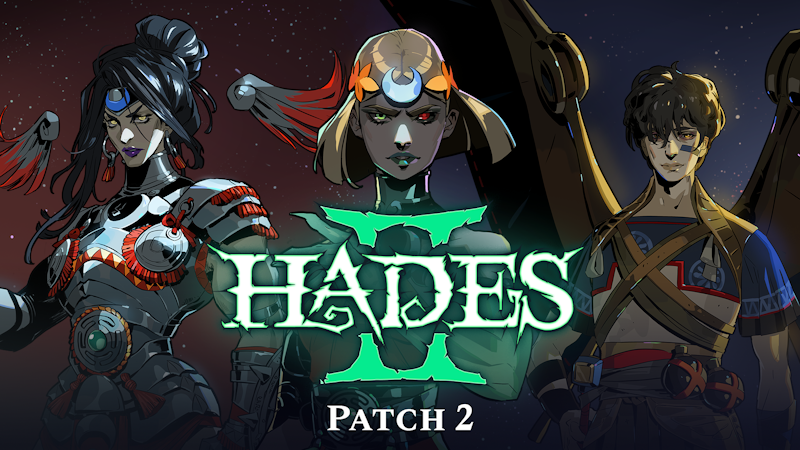
Hades II – Recent Patch and Hotfix Intel
Why These Fixes Matter for the Meta
By focusing on deep-run integrity, Supergiant is clearly prioritizing:
- Run reliability: High-investment attempts shouldn’t die to bugs or unreachable rewards.
- Narrative cohesion: Reactive story systems must feel intentional, not glitchy or out of order.
- Design observability: Fewer technical anomalies mean clearer data on what’s actually overpowered, underused, or misunderstood.
In other words, every hotfix is also a calibration step for future balance passes.
Sector Forecast: An Early Access Cycle Built on Discipline
Taken together, the speedrun deconstruction, vocal pipeline transparency, and targeted hotfixing paint a picture of a studio running early access like a live service without surrendering its handcrafted ethos. Hades II isn’t just shipping content; it’s actively refining its narrative systems, combat readability, and long-run stability in response to real player behavior.
For players, that means each week of development update intel is worth tracking: the meta is shifting, the story is tightening, and the underlying systems are being hardened for the long war. For fellow #gamedev teams, Hades II is fast becoming a case study in how to let your community stress-test your design without letting them design it for you.
Keep following Hades II
News, guides, posts, and game details in one place.
Open the game hub, then save it to build your personal Breach feed.
More images and video


About the game
Hades II
Supergiant Games
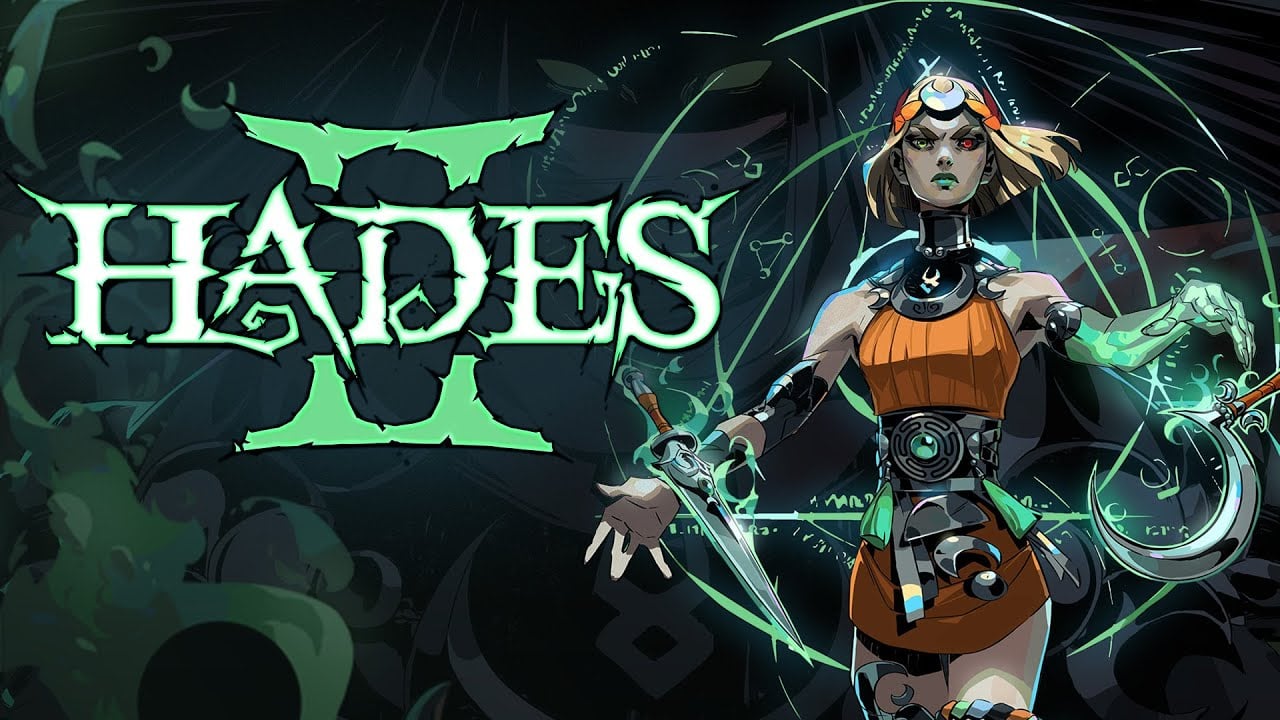
Mission Intel: Hades II is a rogue-like dungeon crawler where you repeatedly assault the forces of the Titan of Time from the depths of the Underworld. Every run generates new room layouts, enemy mixes, and upgrade paths, reinforcing a tight loop of combat mastery and system optimization. A stylized Greek myth setting, reactive narrative, and evolving Olympian boons turn each failure into meaningful data. Keywords: roguelike, action RPG, Greek mythology, procedural runs, skill-based combat.
Open game pageTopics
Hades II
Hades 2
Supergiant Games
early access
development update
hotfix
speedrun analysis
voice acting pipeline
indie roguelike
#gamedev
#indiegame