Automated archive / Call of Duty: Modern Warfare 4
Modern Warfare 4 Beta Turns Into a Live-Fire Systems Audit
Modern Warfare 4’s two-weekend beta isn’t a demo—it’s a full-scale systems audit of movement, modes, netcode, and even anti-cheat hardware policy. From Hijack and Arms Deal to the controversial Kill Block mechanic, this week’s intel shows a shooter built for telemetry-driven iteration, not one-and-done launch hype.
AI-generated summary. This archive article does not have a current recorded source check. Check linked sources before relying on details. Editorial policy
Sector Overview: MW4 Leaves the Black Box
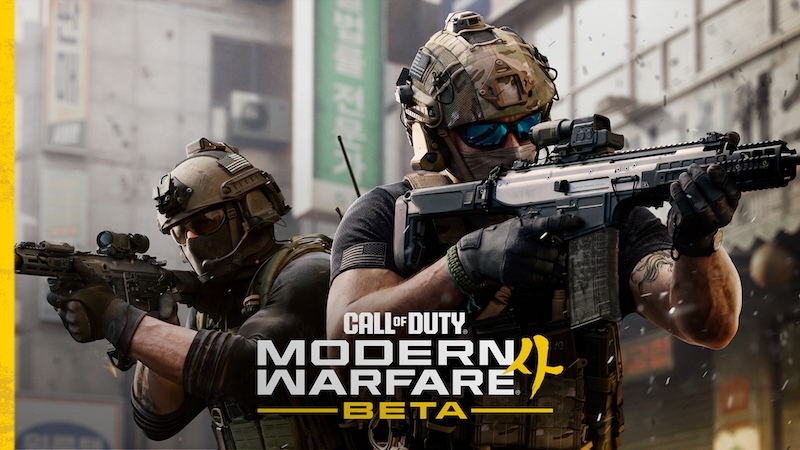
Call of Duty: Modern Warfare 4 has officially moved from controlled leaks to full-spectrum exposure. Over the last week, Activision and partner channels have shifted comms from cinematic tease to hard systems data: movement tuning, multiplayer mode architecture, Warzone integration, PC security requirements, and the largest beta deployment this franchise has fielded.
From a #gamedev and live-ops perspective, this isn’t just a marketing beat. It’s a staged, telemetry-driven shakedown of the entire combat stack—netcode, map flow, killstreak pacing, and even anti-cheat hardware compliance.
Multiplayer Combat Stack: Grounded, Fast, and Lethal
Movement & Gunfeel: Back to Boots-on-Ground, Not Backwards
The recurring phrase in this week’s activity feed is “boots-on-ground warfare”—but the subtext is important. Movement is described as grounded and responsive, not sluggish. The design intent is clear:
- Reduce extreme movement exploits without killing flow.
- Preserve rapid target acquisition and lane snapping.
- Tighten recoil patterns for higher predictability at skill ceiling.
For designers, this signals a push toward readable combat rhythm: fewer outlier movement abuses, more emphasis on angle control, pre-aim, and positional discipline. The mention of “higher-fidelity movement” suggests server and animation rework rather than a simple nerf to slide/cancel tech.
TTK, Visibility, and Spawn Logic as Live Variables
The Open Beta is explicitly framed as a live-fire testbed for:
- Time-to-kill (TTK) calibration under peak concurrency.
- Visibility passes (character contrast, muzzle flash, FX noise).
- Spawn logic validation using heatmaps and behavior telemetry.
That framing matters. Instead of promising a locked balance profile, Activision is telegraphing a data-first tuning loop, something #indiegame teams can learn from at smaller scale: expose core systems early, watch the telemetry, then iterate on pain points instead of guessing.
New Modes: Mode Architecture as Meta Engine
The most substantial design intel this week is the reveal of Hijack and Arms Deal, plus confirmation of Search and Destroy and a broader mode slate.
Hijack (6v6, Beta) – Objective as a Moving Payload
Hijack revolves around a mobile data spike that can be carried, thrown, and passed between squadmates. Key design beats:
- Dynamic objective routing: The spike’s mobility turns every lane into a potential push route.
- Points-over-time plant: Planting at the enemy Comm Station generates score drip, with a bonus on full detonation.
- Counter-push incentive: Defenders must breach and defuse before the spike bleeds out their score.
This is a subtle but important shift from static bomb sites. The objective itself becomes a pacing lever, forcing teams to constantly re-evaluate map control instead of turtling on known choke points.
Arms Deal (5v5) – Search and Destroy Meets Economy Game
Arms Deal is positioned as a “lethal variant of Search and Destroy” with:
- Single-life rounds.
- In-match cash economy earned via kills and objective work.
- A restricted armory buy phase each round.
This is clearly Call of Duty’s answer to tactical economy shooters—think CS2 or Valorant—but compressed into CoD’s faster TTK and more explosive sandbox. For #gamedev observers, it’s a case study in hybridizing proven genre loops without abandoning franchise identity.
Every purchase becomes a meta decision: invest in power now, or save for a later swing round. Expect this mode to heavily inform early ranked metas and creator content.
Watch: Transmitting Gameplay footage from the field: Official Modern Warfare 4 multiplayer trailer
Beta as Infrastructure Stress Test
Two-Weekend Deployment: Scaling the War Machine
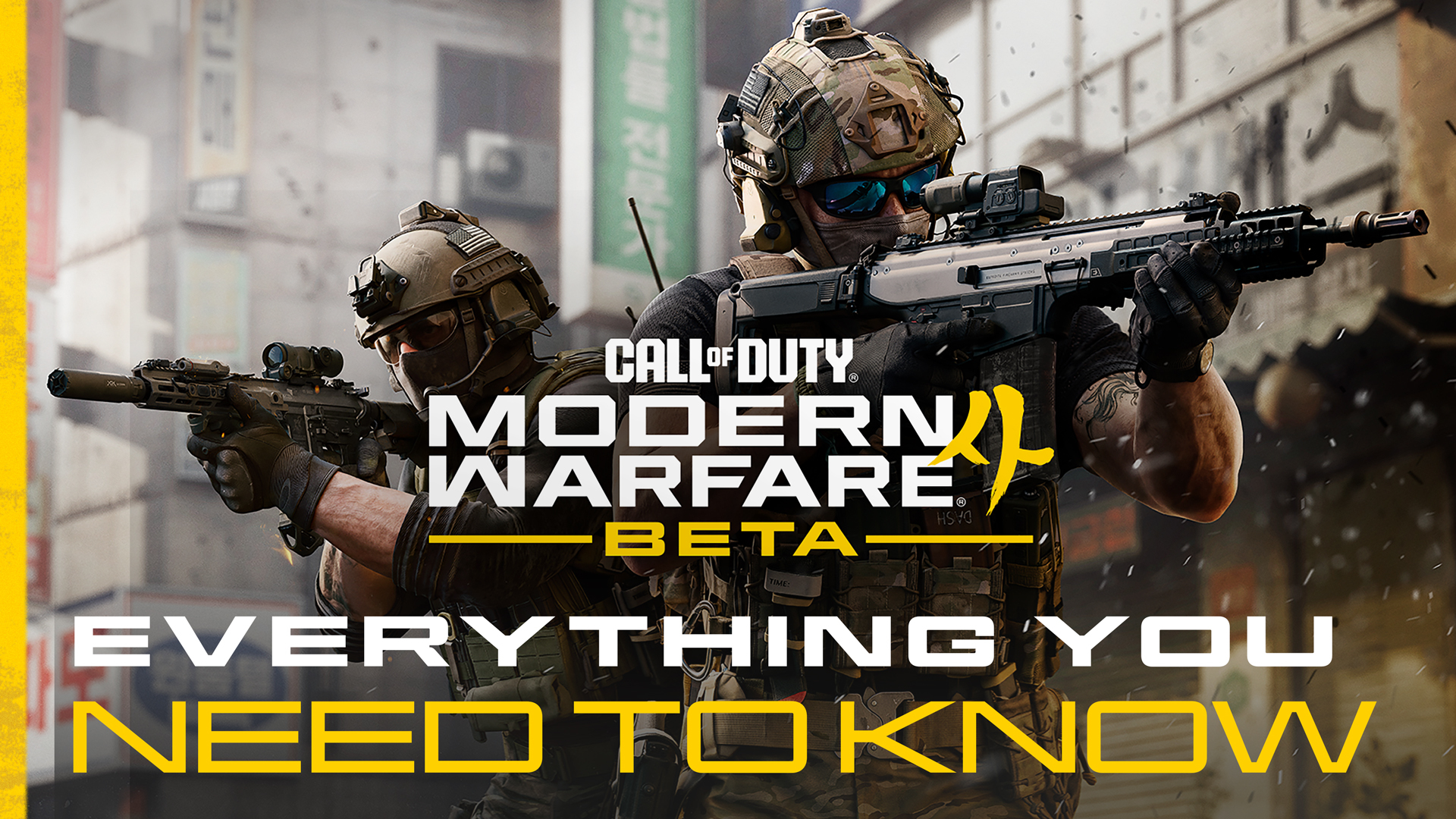
Command has greenlit a two-weekend beta operation, flagged as the biggest in series history:
- Weekend One – Early Access, pre-order gated, focused on core systems and controlled concurrency.
- Weekend Two – Open Beta, wider platform reach, intended to break servers, spawns, and balance assumptions.
The language in the feeds is very explicit: this is a “live combat sim at scale”, not a demo. Netcode, hit registration, server tick performance, and map flow are all under stress conditions, with heatmaps and telemetry feeding straight back to tuning teams.
Ground War: Combat Outpost and Warzone: Zodiac
The beta also includes Ground War: Combat Outpost and a Warzone Resurgence deployment on the new Zodiac map. That’s an important integration marker: multiplayer and battle royale aren’t being tuned in isolation.
- Ground War provides large-scale vehicle and lane data.
- Resurgence on Zodiac tests short-respawn BR pacing and circle pressure.
For developers, this is the cross-mode challenge: keeping weapon feel and visibility coherent across 6v6, large-scale MP, and Warzone without fragmenting the sandbox.
Kill Block: Engagement-Optimised Friction
One of the more controversial systems surfaced this week is Kill Block. In plain terms, it’s described as a matchmaker-imposed soft cap on killstreak momentum to keep weaker players from rage-quitting.
Design-wise, this is:
- Engagement-optimised, not merit-optimised.
- A form of hidden rubber-banding aimed at retention curves.
From a player-agency standpoint, this is going to be a flashpoint. For #gamedev teams, it’s a stark example of the tension between fair-feeling competition and long-term user retention. How transparently Activision communicates the boundaries of Kill Block will heavily influence community trust heading into launch.
PC Security & Spec Compliance: TPM 2.0 as Anti-Cheat Perimeter
On PC, Modern Warfare 4 is drawing a hard line with TPM 2.0 and Secure Boot requirements. Machines without a valid hardware trust chain are effectively non-deployable.
This marks a clear escalation in anti-cheat posture:
- Raises the barrier for kernel-level cheat injection.
- Forces late adopters to update BIOS/firmware or remain sidelined.
Minimum spec briefs also reinforce that SSD is mandatory, with mid-tier CPU/GPU baselines. For developers, this is another data point in the industry’s gradual move away from HDD-era constraints, enabling more aggressive streaming and asset density.
Campaign & Content Pipeline: Visual Fidelity as Baseline, Not Headline
A 17-minute 4K/60FPS campaign capture confirms what most expected: Modern Warfare 4 is treating high-fidelity ballistics, dense urban combat, and squad choreography as table stakes. The more interesting angle is how this tech flows back into multiplayer:
- Ballistic simulation and destruction cues inform readability in 6v6.
- Urban density in campaign prototypes helps shape competitive map silhouettes.
Combined with CODNext 2026 messaging about “heavier netcode optimization, tighter gunfeel, and synchronized seasonal drops”, it’s clear MW4 is being built as a long-tail platform, not a one-year disposable entry.
Strategic Outlook: What This Week Signals for Launch
- Meta Formation Starts Now: With Hijack, Arms Deal, and classic modes online in beta, early strategies and loadout archetypes will calcify quickly.
- Telemetry-Driven Tuning Is the Real Feature: The most important “system” might be the feedback loop between beta data and launch-day balance.
- Engagement Systems (Like Kill Block) Need Sunlight: How these are communicated could decide whether Modern Warfare 4 is embraced as a competitive mainstay or treated as another engagement-first treadmill.
For players, the directive is simple: drop into both beta weekends, push the systems to their breaking point, and make your feedback count. For developers and #indiegame teams watching from the sidelines, Modern Warfare 4’s beta is shaping up as a live case study in operating a blockbuster FPS as an ever-evolving service rather than a static product.
Sources and corrections
This archive entry does not have a verified article-source list. Images and video embeds alone are not evidence for every claim.
Found an error? Request a correction. Include the passage and a supporting source.
Your games, in one place
Keep up with Call of Duty: Modern Warfare 4
Follow this game to collect its posts in your personal feed. Come back to see what you missed.
More to read about Call of Duty: Modern Warfare 4
- Source-checked briefModern Warfare 4 outlines DMZ mode and deployment options
Call of Duty: Modern Warfare 4 is set to launch with DMZ on October 23 alongside Campaign and Multiplayer. The mode includes a Forward Operating Base that expands through Operations, plus three...