Automated archive / Assassin's Creed IV: Black Flag
Why Assassin’s Creed IV: Black Flag Still Outguns Modern Open Worlds
Naval combat clips, refreshed voice lines, and Woodkid-powered edits are pushing Assassin’s Creed IV: Black Flag back into the spotlight like a stealth live service. This week’s sector intel breaks down why Edward Kenway’s pirate sandbox is still influencing gamedev and indiegame design a decade later.
AI-generated summary. This archive article does not have a current recorded source check. Check linked sources before relying on details. Editorial policy
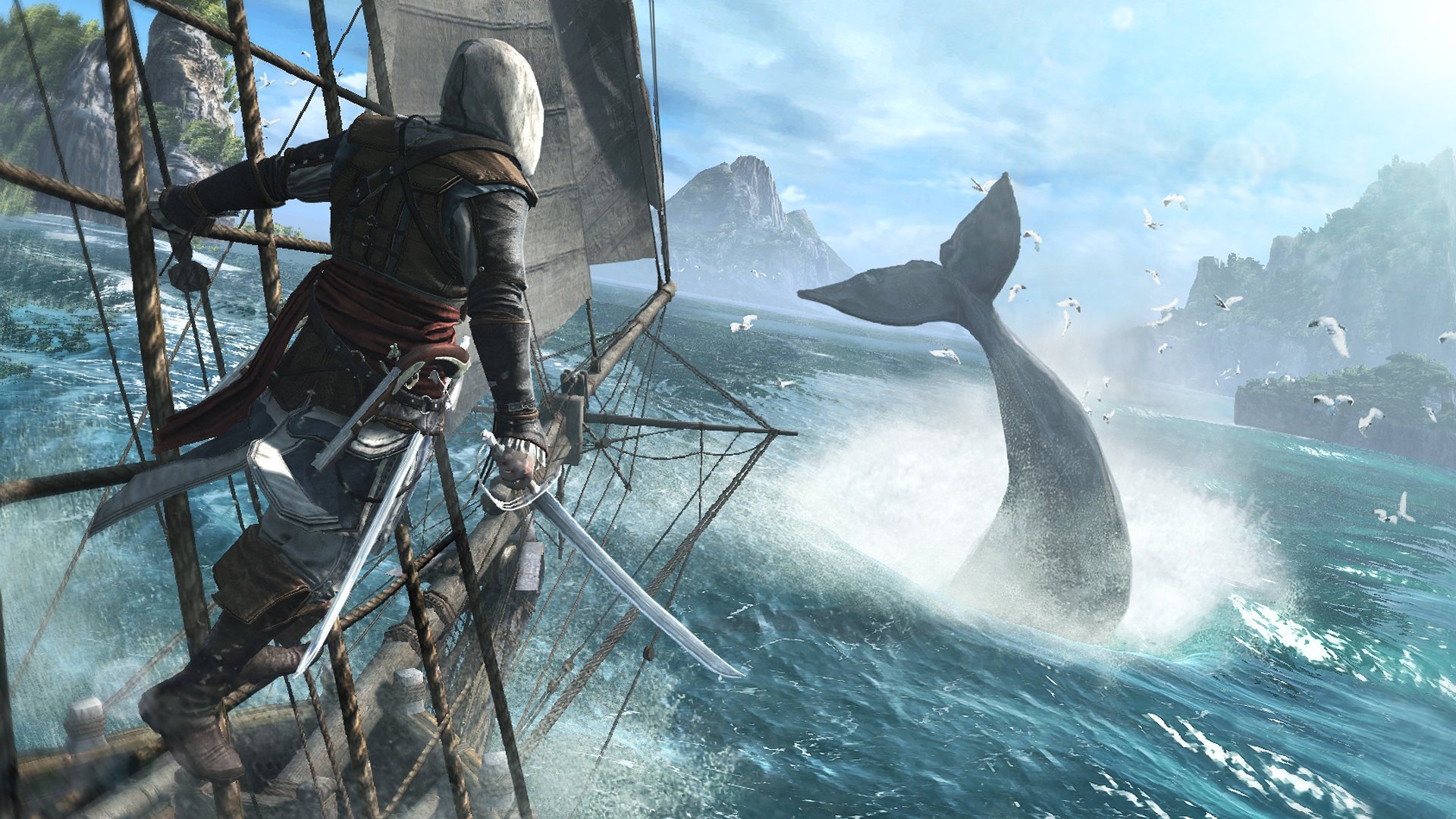
Sector Intelligence Report // Assassin’s Creed IV: Black Flag
The last seven days of telemetry around assassin's creed iv: black flag read less like legacy chatter and more like a live ops dashboard quietly spinning back up. Naval combat clips are spiking, iconic voice lines are being re-recorded, and the community is literally resyncing the game’s most famous trailer music to modern footage. For a 2013 release, Black Flag is behaving like a stealth live service.
This week’s signals point to three converging vectors: renewed interest in naval combat systems, a nostalgia-fueled audio refresh, and community-led cinematic re-framing. Together they form a case study in how long-tail AAA titles can maintain relevance—and how #gamedev teams (AAA and #indiegame alike) can mine their back catalogues more intelligently.
Naval Combat Telemetry: Davy Jones’ Locker Still Getting New Residents
The most telling activity feed entry is the “Naval Combat Systems Log” describing Edward Kenway “sending his enemies to Davy Jones’ Locker” with ruthless efficiency. That phrasing isn’t just roleplay; it highlights what still makes Black Flag’s systems sing:
1. Combat Readability and Power Fantasy
Black Flag’s naval loop—broadside, maneuver, disable with chain shot, then board—remains one of the cleanest power fantasies in open-world design. Telemetry about “dense cannon fire, explosive hull breaches, and zero-survivor intent” underlines how clearly the game communicates cause and effect: every shot has visible, audible, and mechanical payoff.
For modern #gamedev teams, especially smaller #indiegame studios working on ship or vehicle combat, Black Flag remains a masterclass in:
- Telegraphed impact: Massive particle feedback on hits; exaggerated hull damage; crew reactions.
- Rhythmic pacing: Combat is never pure chaos—there’s a readable tempo between volleys, maneuvers, and boarding.
- Layered escalation: Storm-tier seas effectively act as environmental difficulty modifiers, raising tension without rewriting the core rules.
Watch: Transmitting Gameplay footage from the field: Naval combat and boarding action analysis
Watching current clips, you can see why players keep returning: the system is deep enough to reward mastery, but legible enough that any new recruit can understand what “fighting the wind” and “lining up a broadside” actually means in mechanical terms.
Voice Ops Reinitialized: Matt Ryan and the Power of Audio Continuity
The second major intel drop: Ubisoft redeploying Matt Ryan to re-record Edward Kenway’s “signature vocal payloads.” That’s a quietly huge signal.
From a production and brand perspective, this suggests:
- Long-term IP stewardship: Ubisoft clearly recognizes Edward as a pillar character, not a one-off protagonist.
- Audio pipeline reactivation: Re-recording iconic lines implies either remastering, cross-media use (series, trailers, in-game events), or integration into new content.
- Continuity as retention: For players, hearing the same voice with modern audio treatment bridges the gap between nostalgia and current-gen expectations.
For #gamedev teams, especially those managing long-running IP, Black Flag’s renewed voice work is a reminder that audio continuity is brand continuity. Swapping a face is survivable; swapping a voice is far riskier. The decision to bring Matt Ryan back rather than recast signals Ubisoft’s intent to keep the Kenway-era tone intact even as tech stacks and platforms evolve.
Orchestral Resync Protocol: Woodkid x Black Flag and Community-Driven Cinematics
The “Orchestral Resync Protocol” log—Black Flag sequences re-forged with Woodkid and tightly synced to modern footage—points to a second life for the game as a cinematic platform.
In practice, this looks like:
- Players cutting together naval battles, leaps of faith, and stealth infiltrations.
- Syncing them to Woodkid’s percussive builds and drops.
- Turning decade-old gameplay into trailer-quality sizzle reels.
Watch: Transmitting Gameplay footage from the field: Woodkid x Black Flag cinematic resync
This is more than fan tribute; it’s a blueprint for:
- Evergreen marketing: Legacy titles can be reintroduced to new audiences via modern music and editing language.
- Low-cost ‘soft relaunch’: Without a full remaster, pairing existing assets with refreshed audio-visual framing can simulate a new release cycle.
- UGC as discovery layer: Community edits effectively function as unpaid trailer production, pushing Black Flag back into feeds and recommendations.
For #indiegame teams without AAA budgets, the lesson is sharp: design your games so they cut well. Strong silhouettes, bold animations, and memorable audio stingers make your footage remixable and shareable long after launch.
Strategic Read on Black Flag’s Current Status
Pulling the week’s signals together, assassin's creed iv: black flag is operating like a veteran live service without the battle pass:
- Systems: Naval combat remains mechanically and visually competitive with modern open-world titles.
- Audio: Matt Ryan’s return suggests Ubisoft is investing in audio continuity as a long-term asset.
- Cinematics: Woodkid resyncs and community edits are reframing Black Flag as a timeless pirate cinema engine, not just an old-gen stealth game.
Watch: Transmitting Gameplay footage from the field: Edward Kenway stealth and traversal showcase
For developers, Black Flag’s current resurgence is a reminder that:
- Well-architected systems age slowly. If your core loop is legible, tactile, and expressive, it can survive multiple hardware generations.
- Voices and music outlive shaders. Audio is often the most cost-effective way to refresh perception of an older build.
- Your players are your post-launch trailer team. Lean into UGC, don’t fight it—design with remixability in mind.
As the sector continues to track Black Flag’s renewed activity, the real story isn’t just that Edward Kenway is still sending ships to Davy Jones’ Locker—it’s that a supposedly “finished” game is quietly demonstrating how to run a decade-long relevance campaign without ever calling itself a live service.
Sources and corrections
This archive entry does not have a verified article-source list. Images and video embeds alone are not evidence for every claim.
Found an error? Request a correction. Include the passage and a supporting source.
Your games, in one place
Keep up with Assassin's Creed IV: Black Flag
Follow this game to collect its posts in your personal feed. Come back to see what you missed.