Automated archive / Pokémon Pokopia
Pokémon Pokopia Turns Market Doubt Into a 2.2M-Unit Shockwave
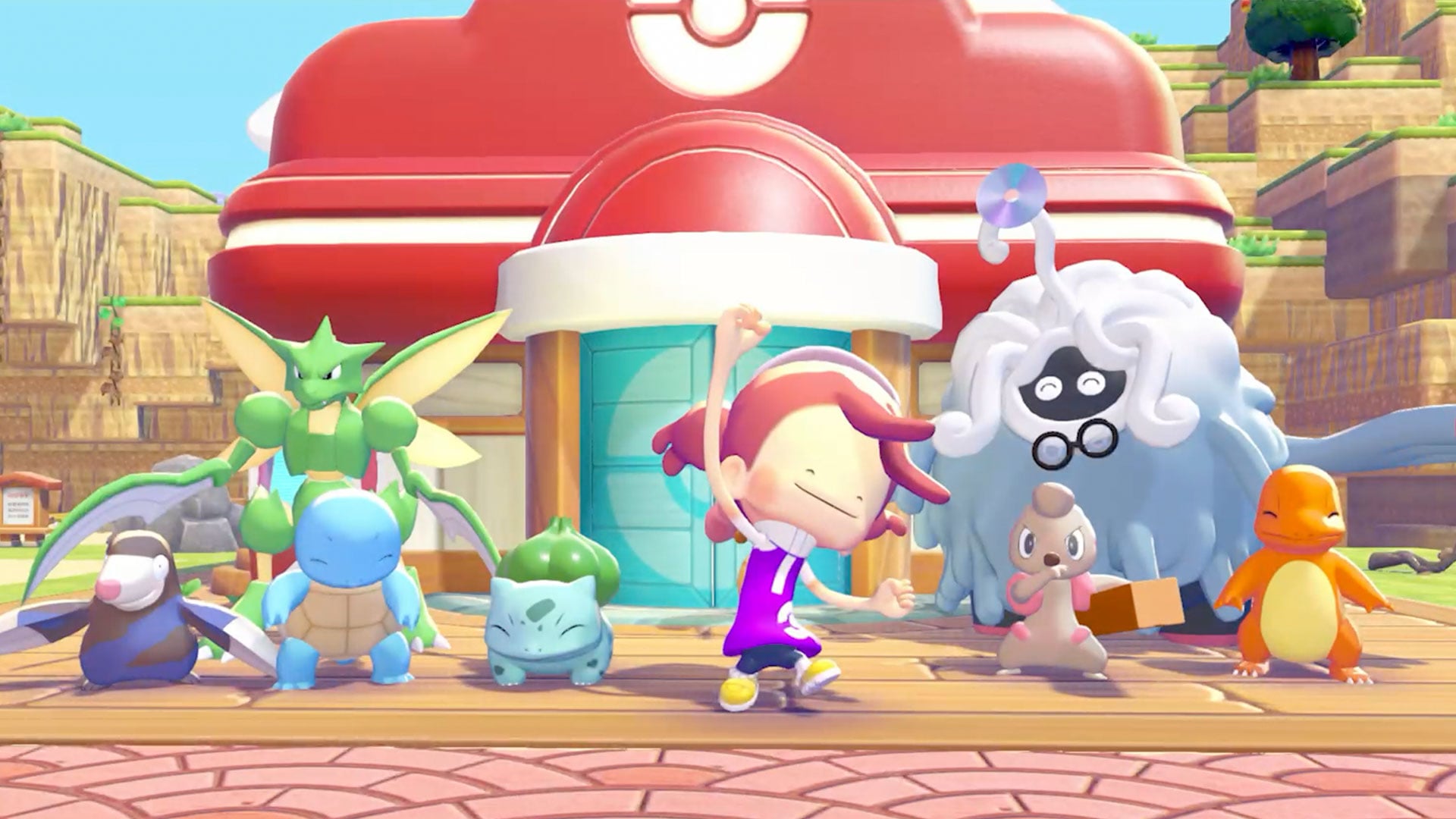
Pokémon Pokopia has smashed through 2.2 million sales in four days, triggering a dramatic rebound in Nintendo’s share price and resetting expectations for what a Pokémon spin-off can be. Behind the cozy veneer lies a sharp case study in resource economies, legendary event design, and how platform holders are...
AI-generated summary. This archive article does not have a current recorded source check. Check linked sources before relying on details. Editorial policy
Sector Overview: Pokopia’s Four-Day Detonation
pokémon pokopia has transitioned from curiosity to confirmed market event. In a four-day launch window, Nintendo’s island-builder spin on its monster IP has sold 2.2 million units worldwide, triggering a 10.5%–15% spike in Nintendo’s share price after months of drawdown. For anyone tracking #gamedev strategy, this is a case study in how a platform holder can re-leverage legacy IP in a live-service adjacent format without going fully free-to-play.
Yet, in parallel, discourse across the grid is split. A circulating podcast—“Did Nintendo underestimate Pokémon Pokopia?”—frames launch as both a triumph and a warning shot. On one side: proof that the Pokémon brand can still drive instant critical mass. On the other: questions about whether Nintendo misread the staying power of this particular design, especially as BAFTA 2026 nominations spotlight very different kinds of systems-driven experiences.
Market Signals: Stock Rally, Prestige Tension, and Live-Service Stakes
Investor Confidence Reboot
The 15% share-price rally in 48 hours is more than a feel-good spike; it’s a signal that investors are willing to reprice Nintendo around:
- Strong early attach for pokémon pokopia
- The potential for mobile engagement extensions
- The possibility of long-tail live-service retention rather than a one-and-done premium hit
This matters for #indiegame studios, too: when a platform holder’s confidence resets, so do their risk thresholds for experimental support programs, cross-promotions, and storefront curation.
BAFTA 2026: Prestige vs Player Heat
While Pokopia’s sales heat up, the BAFTA Games 2026 shortlist is leaning into systemic depth, narrative experimentation, and smaller-scale innovation. This creates a visible split:
- Player Heat: Pokopia’s launch metrics and social chatter
- Awards Meta: BAFTA’s focus on tightly scoped, design-forward projects
For developers, this is the current tightrope: design for the engagement grid or the awards circuit—or find a hybrid path where your systemic design is robust enough to compete in both arenas.
Systems Intelligence: Why Pokopia’s Core Loop Is Hitting
Under the hood, pokémon pokopia isn’t just “Animal Crossing with Pikachu.” The last week of data points shows a community rapidly interrogating its resource economy and late-game structure:
- Infrastructure Currencies (Bricks & Concrete): Guides on how to get Bricks and Concrete are trending, which tells us players are already min-maxing the city-building layer rather than treating it as cosmetic dressing.
- Late-Game Legendary Routes (Lugia & Ho-Oh): Detailed breakdowns on how to find Lugia and Ho-Oh signal that the legendary hunt is tightly scripted and scarcity-driven, closer to raid-event design than casual collection.
- Developer Island Access: The existence of a Pokopia developer island—with players reverse-engineering layouts and item setups—shows Nintendo quietly endorsing a form of design literacy, letting players peek at how the official build solves space, flow, and readability.
This is a subtle but important #gamedev move: the game is training its audience to think like level designers, not just tourists.
Legendary Design: Scarcity, Spectacle, and the New Meta
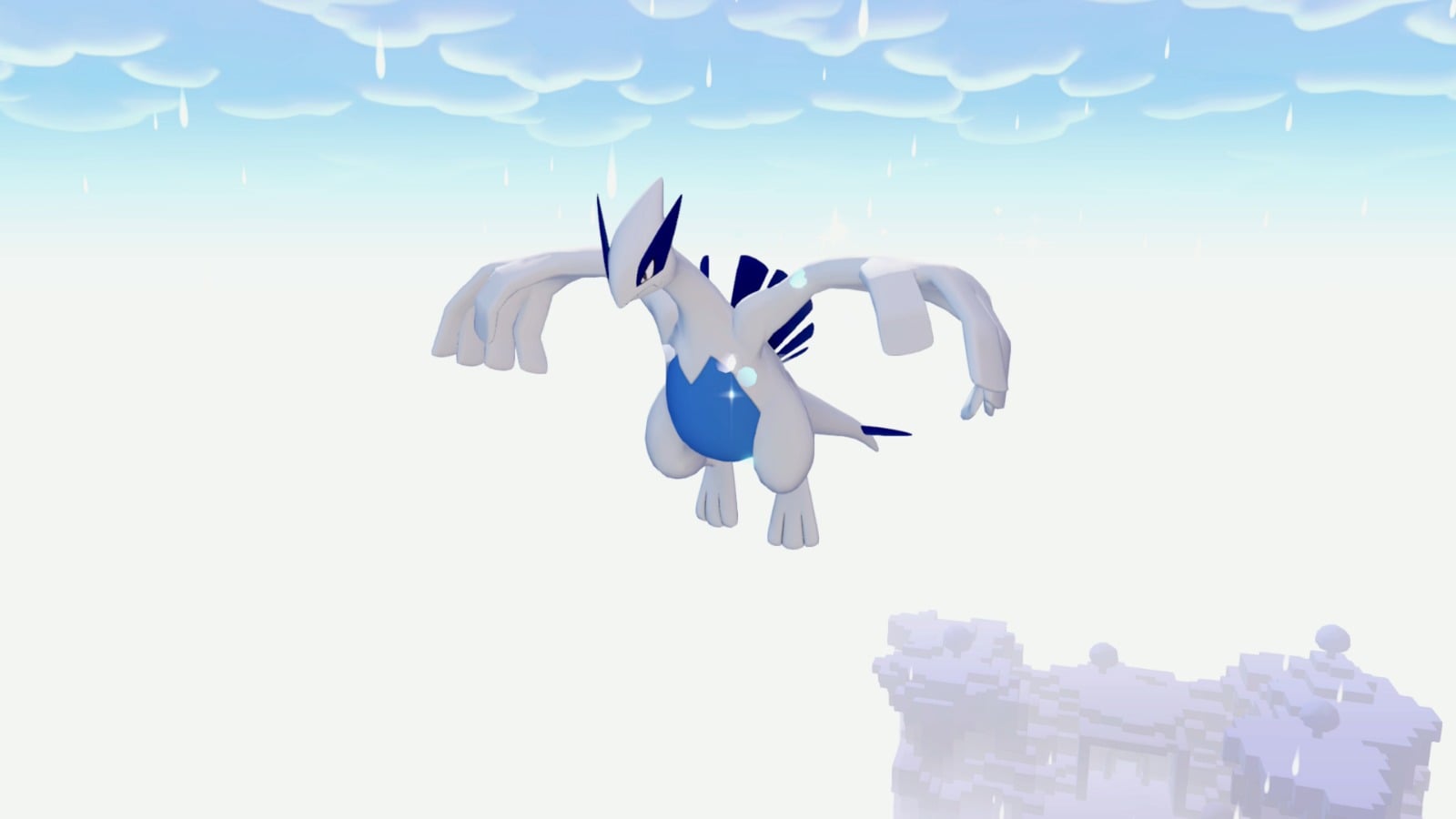
The Lugia and Ho-Oh intel packets reveal a deliberate shift in legendary design:
- One-Shot Capture Windows: Ho-Oh’s appearance is tied to specific story flags and encounter chains, with a narrow engagement window. That’s raid-style tension in a traditionally turn-based franchise.
- Route Optimization: Lugia acquisition hinges on Silver Feathers, precise pathing, and resource prep. This pushes players into meta-routing—planning runs around efficiency, not just exploration.
For developers, this is a blueprint for eventized single-player content: high-stakes, tightly controlled sequences that feel like live events even in an offline context. It’s a way to simulate FOMO and social sharing without a full MMO backend.
Resource Economies: Reading the Brick and Concrete Meta
The Brick and Concrete guides highlight Pokopia’s industrial layer as more than filler:
- Bricks act as a structural currency, gating sturdier buildings and long-term productivity.
- Concrete sits deeper in the chain, requiring facility loops and conversions from base materials.
This two-tier approach is a reminder that even in cozy aesthetics, economic clarity matters. Players are already optimizing:
- Which quests actually pay out meaningful construction materials
- Which facilities offer the best time-to-output ratio
- How to route daily play sessions around high-yield loops
For #indiegame teams, the lesson is clear: if you introduce multiple upgrade currencies, ensure each one has a distinct strategic identity. Pokopia’s Brick/Concrete split works because it maps cleanly onto early vs advanced infrastructure.
Developer Island: Transparent Design as Retention Tool
Watch: Transmitting Gameplay footage from the field: Official Pokopia systems showcase
The Pokopia developer island is the most under-discussed feature from a design-ops perspective. By letting players infiltrate a curated dev space, Nintendo is effectively:
- Offering a reference build for optimal layouts
- Teaching flow, clustering, and readability through example
- Seeding UGC-like inspiration without needing full creative tools
This is a low-cost, high-impact strategy: a static space that doubles as a design tutorial, content teaser, and community talking point. Expect more big publishers to adopt similar “dev shard” concepts as a way to extend engagement without constant patch churn.
Strategic Outlook: What Pokopia Means for the Next Wave
Looking forward, three watch-points will define whether pokémon pokopia remains a spike or matures into a durable pillar:
- Mobile and Cross-Platform Extensions – The intelligence feed explicitly flags mobile engagement and live-service retention as critical. A companion app, cloud sync, or seasonal event cadence could lock in a broader, younger audience.
- Event Cadence Around Legendaries – If Lugia and Ho-Oh are just the opening salvo, a rotating schedule of legendary scenarios could function as quasi-raids, driving periodic return spikes.
- Economy Tuning – As players master Brick and Concrete routes, Nintendo will need to monitor whether construction pacing feels rewarding or grindy, and whether late-game islands converge into samey optimal builds.
For developers, Pokopia is a live case study in how to hybridize cozy construction, resource economies, and prestige IP. It shows that even the most established brands are experimenting with new structural models—and that players are more than ready to interrogate those systems in detail.
Sources and corrections
This archive entry does not have a verified article-source list. Images and video embeds alone are not evidence for every claim.
Found an error? Request a correction. Include the passage and a supporting source.
Your games, in one place
Keep up with Pokémon Pokopia
Follow this game to collect its posts in your personal feed. Come back to see what you missed.
More to read about Pokémon Pokopia
- Source-checked briefPumpkaboo event begins in Pokémon Pokopia
Pumpkaboo’s Sweet Surprises runs from October 17 at 5:00 a.m. to November 1 at 4:59 a.m. local time. Players can collect pumpkin candy for event furniture, befriend Pumpkaboo, and create a...