Automated archive / Grand Theft Auto VI
GTA 6’s $1.5B War Chest, Slipped Launch Window, and Imminent Pre-Order Offensive
GTA 6’s deployment window is quietly sliding from Spring to November 2025 as Rockstar fortifies a $1.5B open-world behemoth for a holiday strike. With Best Buy prepping pre-orders and a new trailer likely imminent, the next phase of GTA 6’s global launch choreography is about to begin.
AI-generated summary. This archive article does not have a current recorded source check. Check linked sources before relying on details. Editorial policy
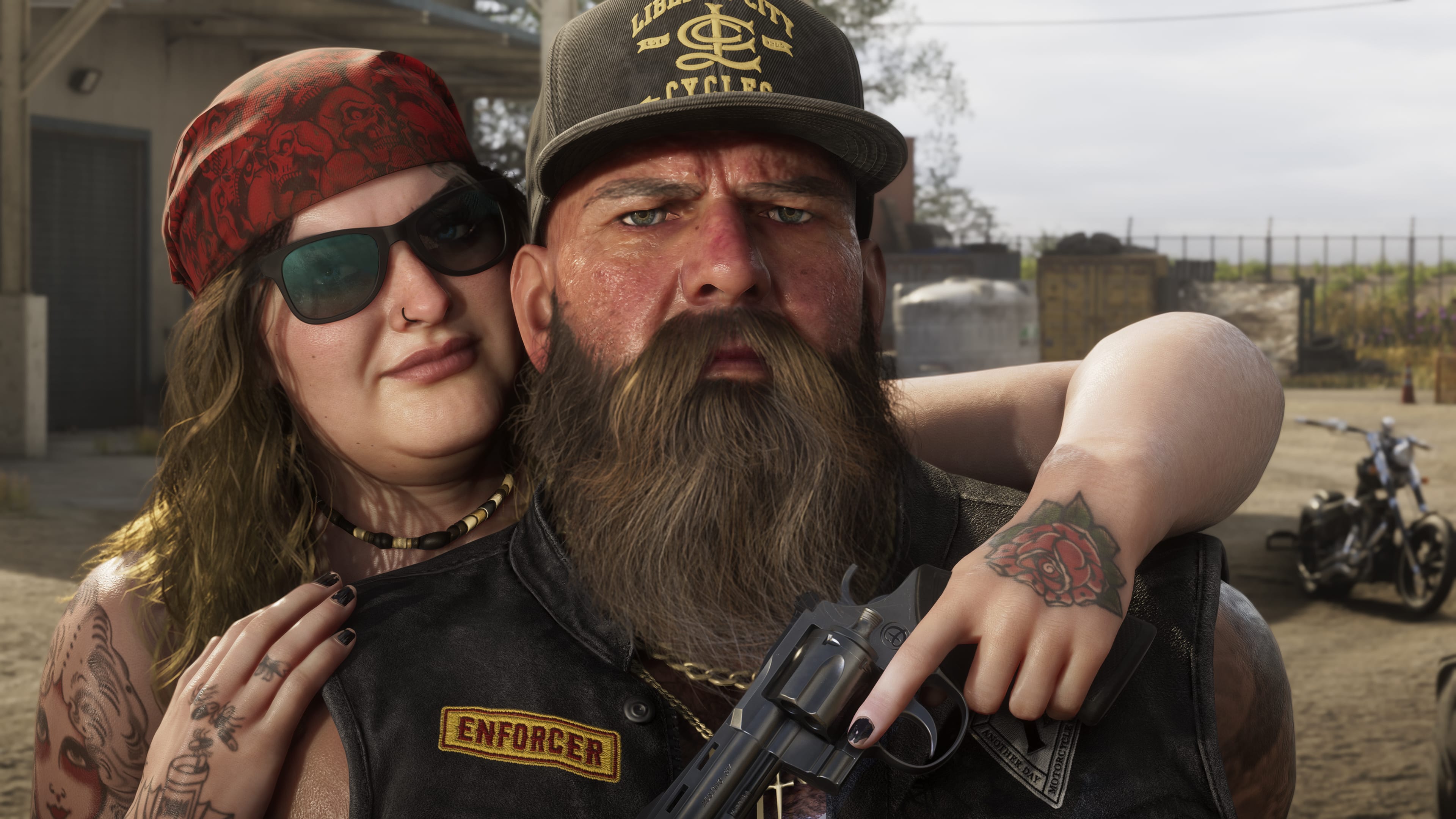

Sector Snapshot: GTA 6 Enters Late-Stage Deployment
The last seven days around grand theft auto vi have been defined by three converging vectors: a recalibrated launch window, a retail network quietly spinning up for pre-orders, and renewed scrutiny on a reported $1.5B development budget. Taken together, the signal is clear—Rockstar is transitioning GTA 6 from long-range R&D into full-scale commercial deployment.
For studios and publishers tracking the upper limits of AAA production, GTA 6 has effectively become a live case study in blockbuster risk management, pipeline scaling, and global launch choreography.
Launch Window Recalibrated: From Spring to November 2025
Internal Chatter: Spring 2025 → November 2025
Recent intel indicates that Grand Theft Auto VI was originally targeting Spring 2025, but internal timelines have now slipped to November 2025. While Rockstar has not formally confirmed this shift, the pattern aligns with the studio’s historical behavior: aggressive initial targets, followed by a stabilization phase where polish and systemic integrity take priority over calendar promises.
From a #gamedev standpoint, a move from spring to late Q4 is not just a delay—it’s a strategic repositioning:
- Polish Window Expansion: An extra 6–8 months provides critical runway for final optimization passes, AI/systemic tuning, and platform certification across multiple SKUs.
- Holiday Dominance Play: A November deployment positions GTA 6 as the gravitational center of the holiday market, potentially crowding out competitors and consolidating both marketing spend and player attention.
- Risk Buffering: For a project of this scale, additional time is a hedge against catastrophic launch-day issues that could undermine both revenue and long-tail engagement.
In production terms, this suggests Rockstar is deep in content lock / feature lock territory, with teams pivoting from creation to validation—bug triage, performance scaling, and network/service integration.
Retail Grid Awakens: Pre-Orders, Placeholders, and Trailer 3 Speculation
Best Buy Backend Tripwire
Retail intel shows Best Buy’s backend briefly surfacing GTA 6 pre-order parameters, a classic canary event that often precedes new marketing payloads. Coupled with reports that Best Buy has informed affiliates pre-orders go live next week, the retail grid is clearly moving from passive monitoring to active mobilization.
Key operational reads:
- Placeholder SKUs & Signage: Early listing and in-store collateral indicate that major retailers have locked in at least a provisional release window, even if public-facing dates remain flexible.
- Marketing Sync with Investor Comms: The timing overlaps with Take-Two’s upcoming financial briefing, hinting at a synchronized info drop—investor-facing updates on bookings and outlook, paired with consumer-facing hype in the form of a new trailer.
Watch: Transmitting Gameplay footage from the field: Official GTA 6 Trailer Signal
Trailer 3: Imminent Broadcast Probability
The combination of backend leaks, affiliate notices, and historical Rockstar behavior suggests a high probability of a GTA 6 Trailer 3 deployment in the near term. For context, Rockstar tends to:
- Use new trailers to lock in tone, characters, and systems messaging.
- Open or expand pre-orders within a narrow window of major trailer drops.
For other studios—AAA and #indiegame alike—this is a masterclass in staggered hype orchestration: align your biggest narrative beats (trailers) with concrete player actions (pre-orders) and financial milestones (earnings calls) to maximize impact per asset.
The $1.5B Question: What That Budget Really Buys
Field intel pegs GTA 6’s development cost at approximately $1.5B, placing it beyond most film franchises and rivaling multi-year live-service portfolios.
From a production and business perspective, that budget likely flows into:
- High-Density Asset Pipelines: Ultra-detailed cityscapes, vehicles, NPCs, and environmental storytelling assets that demand large, specialized art teams and heavy tooling investment.
- Systemic Simulation: Rich AI behaviors, traffic and crowd systems, emergent crime and law enforcement loops, and dynamic world states—all of which are expensive to prototype, iterate, and stabilize.
- Narrative & Performance Capture: Multi-protagonist storytelling, extensive VO, motion capture, and cinematic pipelines that rival premium streaming series.
- Tech Stack & Tooling: Custom engine work, build systems, and internal tools that will not only power GTA 6 but likely serve as the backbone for Rockstar’s next decade of output.
For the broader #gamedev ecosystem, GTA 6’s budget is less a benchmark to chase and more a signal of stratification: a small tier of mega-franchises operating at film-universe scale, while the rest of the market optimizes around tighter scopes, smarter tools, and focused design.
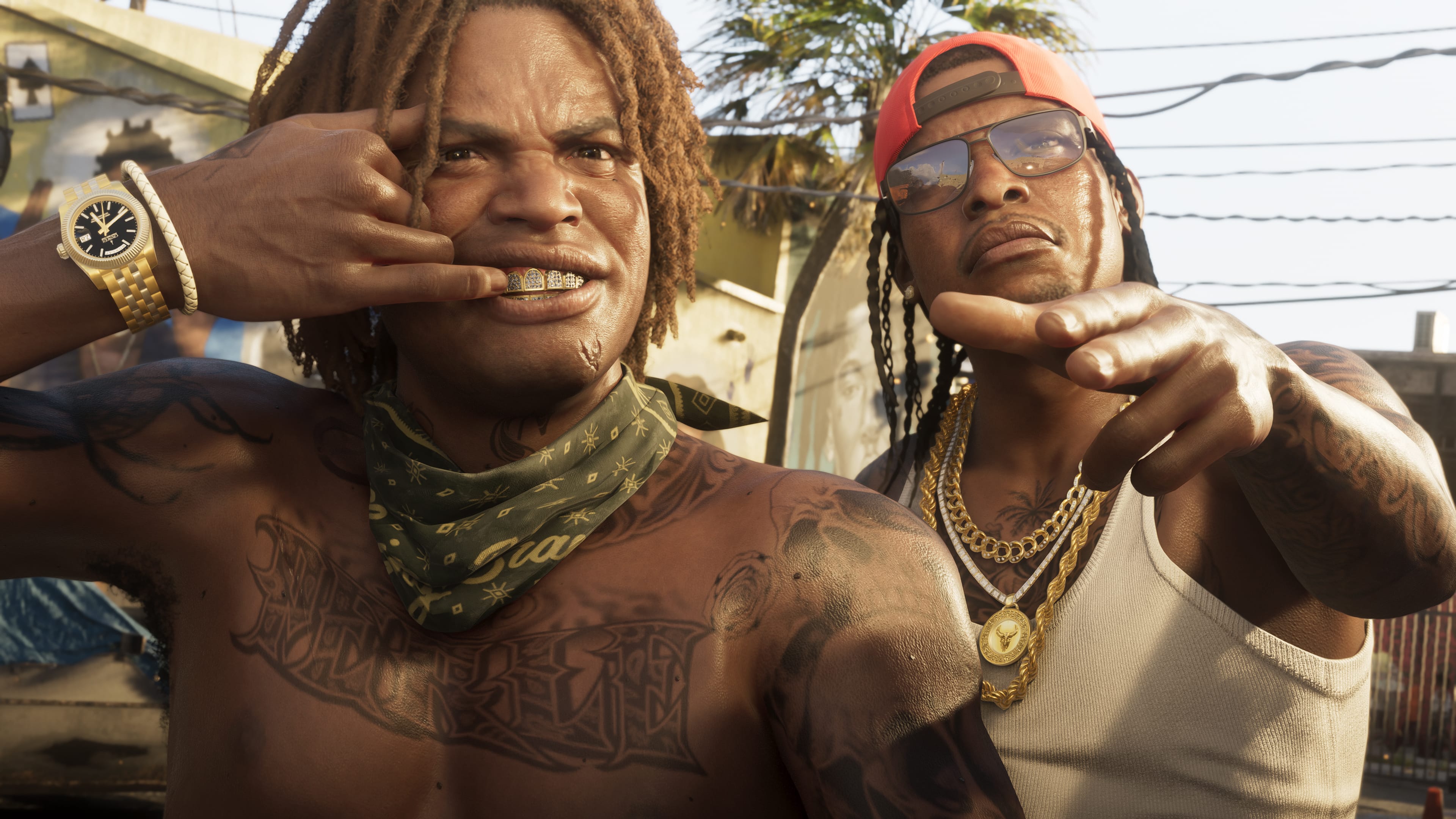
Strategic Takeaways for Developers and Publishers
1. Time Is a Feature, Not a Bug
The reported slip from Spring to November 2025 reinforces a core truth: on projects with generational expectations, time is part of the product. Rockstar appears willing to trade calendar promises for systemic robustness—a stance that increasingly resonates with players burned by unstable launches.
2. Retail as Early Warning Radar
Backend listings, affiliate emails, and placeholder SKUs are not just leaks—they’re early indicators of internal confidence. When retail networks move, it usually means:
- Marketing beats are locked in at a high level.
- Build stability is sufficient to commit to manufacturing and distribution planning.
Studios of any scale can apply this thinking: treat your own platform pages, wishlists, and pre-order beats as hard milestones that only go live when production reality can support them.
3. Mega-Budgets vs. Smart Scope
GTA 6’s $1.5B war chest underscores how far the ceiling has risen—but also how risky that altitude is. For most teams, especially in the #indiegame space, the practical lesson is to design for sustainability, not spectacle:
- Lean into sharply defined mechanics instead of sprawling feature lists.
- Invest in tools and workflows that scale with your team size.
- Use giants like GTA 6 as R&D vanguards, then selectively adopt proven ideas rather than attempting to match scope.
Outlook: Late-2025 Strike, Near-Term Marketing Surge
The current signal profile around grand theft auto vi points toward:
- A recalibrated late-2025 launch, likely November, framed as a definitive generational event.
- Near-term activation of pre-orders, spearheaded by retail partners like Best Buy.
- A high-probability new trailer drop, potentially synchronized with Take-Two’s financial communications.
As Rockstar shifts from building the behemoth to steering it into market, GTA 6 is poised to redefine not just open-world design, but also the economics and expectations of blockbuster game launches for years to come.
Sources and corrections
This archive entry does not have a verified article-source list. Images and video embeds alone are not evidence for every claim.
Found an error? Request a correction. Include the passage and a supporting source.
Your games, in one place
Keep up with Grand Theft Auto VI
Follow this game to collect its posts in your personal feed. Come back to see what you missed.