Automated archive / Forza Horizon 6
Forza Horizon 6 Enters Always‑On Racing Theater via Game Pass Shockwave
Forza Horizon 6 has deployed as an always‑on open‑world racing theater, fusing dynamic biomes, live‑service playlists, and precision‑tuned physics into a single persistent platform. With a Game Pass day‑one shockwave and competitive stress testing on the horizon, this entry is poised to redefine how a racing...
AI-generated summary. This archive article does not have a current recorded source check. Check linked sources before relying on details. Editorial policy
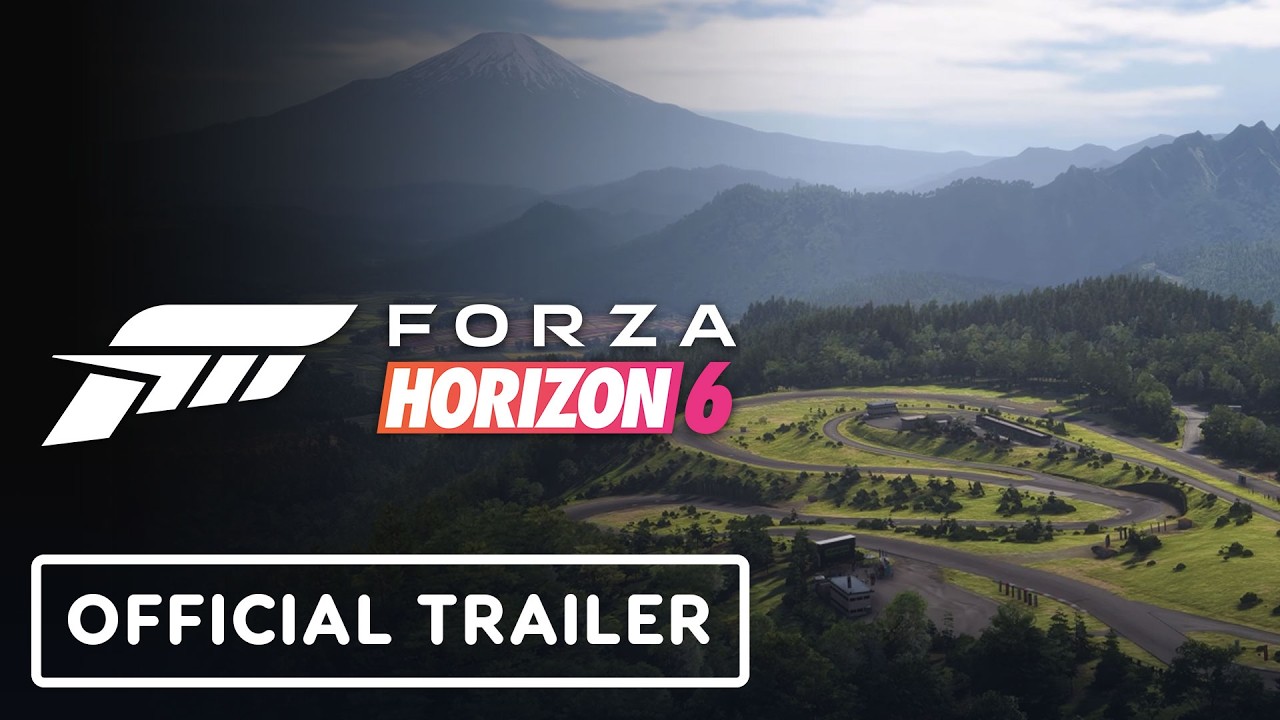
Situation Overview: Forza Horizon 6 Goes Live as a Persistent Racing Theater
Forza Horizon 6 is now deploying as an always‑on open‑world racing theater, pushing Playground Games’ festival formula into a more systemic, live‑service‑driven structure. The official launch trailer frames this entry not as a static map drop, but as a continuously evolving global driving festival where biomes, traffic density, and dynamic weather collide in real time. For #gamedev observers, this is a clear escalation of the series’ ambition to simulate a living road network rather than a curated playlist of events.
The activity feed over the last week converges on three pillars:
- Launch and live‑service ops for forza horizon 6
- Integration into the May 2026 Xbox Game Pass wave
- Technical expectations around physics, networking, and rotating content pipelines
For players, that reads as more cars, more chaos, more often. For developers, it’s a case study in scaling an established AAA franchise into a persistent, service‑oriented platform while maintaining precision‑tuned handling.
Open-World Design: Biomes, Density, and a “Racing Theater” Philosophy
The field report language around an “open-world racing theater” is telling. Instead of treating the map as a backdrop, Forza Horizon 6 appears to position the world as an active stage manager:
- Escalating biomes: Multiple environment types are being treated as distinct gameplay layers rather than just visual swaps. Expect terrain‑specific event scripting, car meta shifts (supercars vs. off‑road rigs vs. street builds), and dynamic route generation that leans into these transitions.
- Dynamic weather as a systems lever: Weather is no longer just mood lighting. It’s framed as a live variable affecting grip, visibility, and traffic flow, ideal for rotating seasonal or weekly challenges.
- Traffic density as tunable difficulty: Calling out traffic density in the intel suggests a more aggressive use of AI vehicles to modulate risk and reward in free roam and online events. From a #gamedev systems design perspective, this is a powerful knob for pacing and tension.
Combined, these elements justify the “racing theater” label: the world is continuously rearranging props (traffic), lighting (weather), and set pieces (biomes) to keep the performance fresh.
Live-Service Cadence: Rotating Playlists and Continuous Ops
The intel explicitly flags “continuous live-service ops” and “rotating playlists”, positioning Forza Horizon 6 as a long‑tail engagement product rather than a one‑and‑done release.
Key implications:
- Rotating event playlists will likely function as the backbone of weekly and monthly retention, similar to seasonal lists in prior entries but with tighter integration into traffic, weather, and time‑of‑day systems.
- Cinematic events hint at more authored, spectacle‑driven missions that can be slotted into the schedule as tentpole content drops, giving marketing and community teams clear beats to rally around.
- Seamless online integration suggests a reduced barrier between solo and co‑op activities, with matchmaking and drop‑in events woven directly into free roam.
For live‑ops teams, the challenge is balancing novelty with operational stability—especially with physics “ready for competitive stress testing,” implying more serious ranked or esports‑adjacent modes.
Watch: Transmitting Gameplay footage from the field: Official Forza Horizon 6 broadcast
Physics and Competitive Stress Testing: Precision Under Load
The activity feed emphasizes “precision-tuned physics” and readiness for competitive stress testing, signaling that Forza Horizon 6 is not just a casual festival but a platform for high‑skill play.
From a technical and design standpoint:
- Handling model: Expect incremental refinement rather than a full reboot—micro‑adjustments to weight transfer, tire modeling, and surface interaction tuned for both controller and wheel setups.
- Netcode and synchronization: Competitive stress testing will put pressure on how well the physics sim stays in sync across clients in dense traffic, variable weather, and high‑speed drafting situations.
- Anti‑cheat and telemetry: With more emphasis on ranked or structured competition, robust telemetry pipelines and anti‑tamper measures become essential to maintain ladder integrity.
For #gamedev teams, this is a prime reference point on how to evolve a mass‑market handling model while quietly raising the skill ceiling for competitive drivers.
Game Pass Shockwave: Attention Economics and Backlog Triage
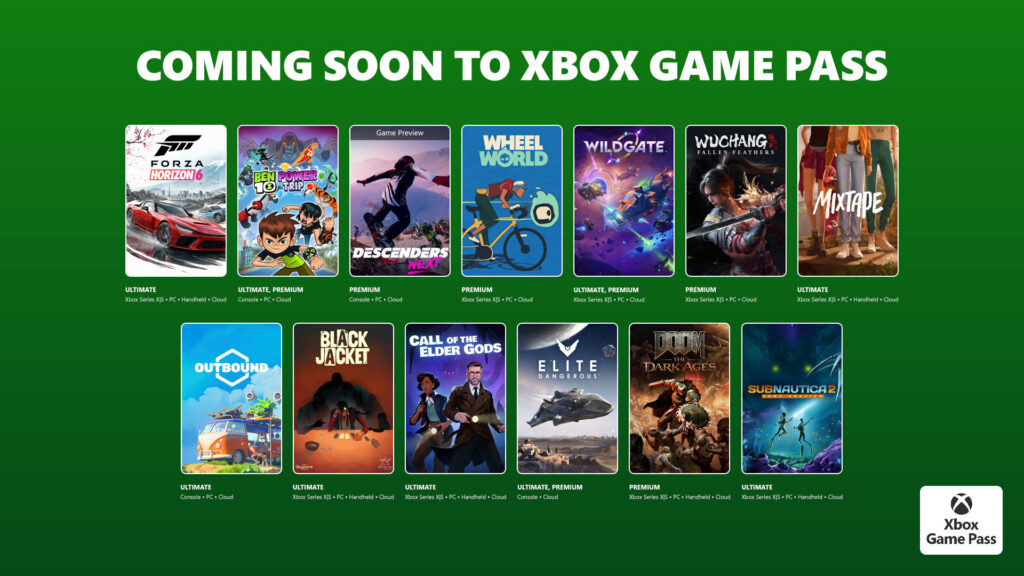
The second and third intel drops confirm that Forza Horizon 6 is a headline title in the May 2026 Xbox Game Pass wave, landing alongside Mixtape and Subnautica 2 in a 13‑title surge.
Strategically, this means:
- Massive day‑one funnel: Game Pass ensures a broad initial player base, ideal for stress‑testing servers, matchmaking, and progression economies.
- Attention fragmentation: Landing in the same window as narrative experiments and deep‑sea survival means Horizon 6 must compete not just with racers, but with entirely different playstyles.
- Backlog recalibration: The intel’s recommendation to “recalibrate backlogs” and “test save-sync pipelines” is a direct nod to both players and developers to ensure cloud saves, cross‑device play, and progression systems are robust under heavy churn.
For #indiegame studios watching from the sidelines, this Game Pass wave is a reminder of the ecosystem reality: when a flagship like Forza Horizon 6 hits subscription services, smaller projects must be hyper‑intentional about launch windows, niche clarity, and retention hooks.
Sector Outlook: Forza Horizon 6 as a Platform, Not Just a Sequel
Synthesizing the week’s intel, Forza Horizon 6 is positioning itself less as a numbered sequel and more as a platformized racing service:
- A theater‑driven open world where biomes, weather, and traffic are systemic levers.
- Live‑ops infrastructure built around rotating playlists and cinematic tentpoles.
- Physics and networking tuned for both casual festival cruising and high‑pressure competitive play.
- Game Pass integration that maximizes initial reach while raising the stakes on technical readiness.
For developers across the spectrum—from AAA to #indiegame outfits—this deployment is a live case study in how to evolve a mature franchise into an always‑on service without losing its core fantasy: a global driving festival that never really powers down.
Sources and corrections
This archive entry does not have a verified article-source list. Images and video embeds alone are not evidence for every claim.
Found an error? Request a correction. Include the passage and a supporting source.