Automated archive / Final Fantasy VII Revelation
Final Fantasy VII Revelation Locks Global Strike for Spring 2027
Final Fantasy VII Revelation has locked in a simultaneous global launch for Spring 2027, with Xbox formally in the deployment window. This week’s intel outlines a cross-platform endgame for the remake trilogy built on reimagined encounters, cinematic combat, and dense narrative payloads.
AI-generated summary. This archive article does not have a current recorded source check. Check linked sources before relying on details. Editorial policy
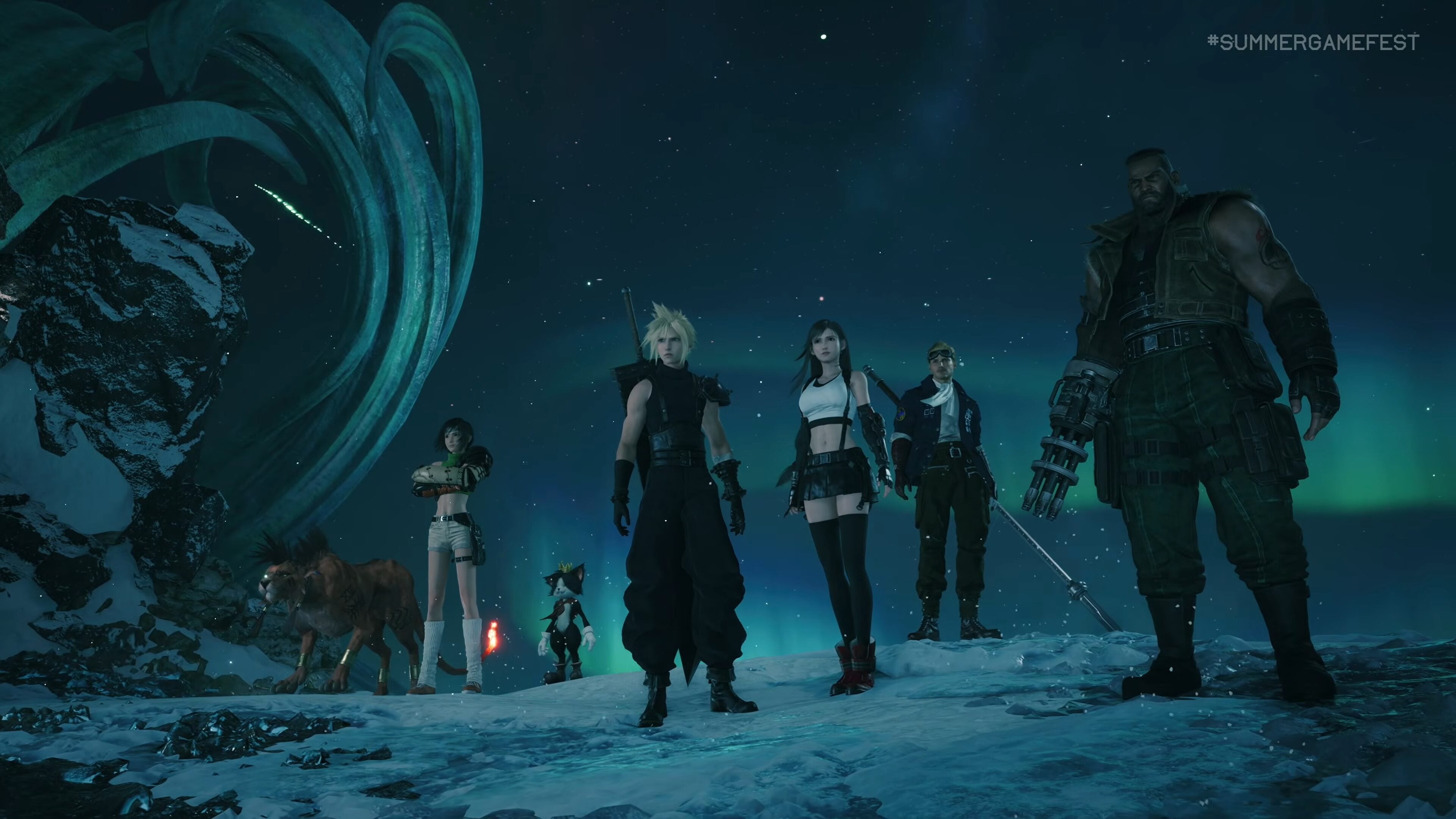
Sector Briefing: Revelation Surfaces from the Lifestream
Final Fantasy VII Revelation has stepped out of rumor space and into confirmed reality, emerging as the next phase of Square Enix’s modern FF7 operation. Over the last week, the signal has sharpened: a new reveal trailer, a synchronized global launch plan, and a confirmed Xbox Spring 2027 window all point to a project that’s been quietly aligning its vectors for some time.
For developers watching from the command deck, this isn’t just another big-budget JRPG drop. Final Fantasy VII Revelation is shaping up as a live case study in long-form franchise management, cross-platform deployment, and cinematic combat design—key reference material for anyone in #gamedev or building a narrative-heavy #indiegame that aspires to operate on a multi-year, multi-platform runway.
Global Launch Strategy: No More Staggered Timelines
Unified Cross-Platform Drop
The most significant operational update this week: Final Fantasy VII Revelation is targeting a simultaneous global release across all major platforms in Spring 2027. Where Final Fantasy VII Remake and Rebirth staggered their launches with timed exclusivity windows, Revelation appears to be discarding that model in favor of a single synchronized strike.
From a production and publishing standpoint, this is non-trivial:
- Content parity across platforms demands tighter build pipelines and more rigorous QA coordination.
- Marketing beats must now be calibrated to land simultaneously in every territory and ecosystem.
- Community momentum can be focused into a single global conversation, instead of fragmenting across staggered PC and Xbox follow-ups.
For studios—especially #indiegame teams—this showcases the upside of a unified launch: cleaner messaging, stronger day-one impact, and fewer spoilers leaking from early platforms. The tradeoff is the increased complexity of shipping everything at once, something only highly mature pipelines can absorb.
Xbox Spring 2027: Strategic Ecosystem Play
Activity this week also confirmed that Final Fantasy VII Revelation is formally locked into Xbox’s Spring 2027 window. This is a visible course correction from earlier FF7 Remake entries, which initially bypassed Microsoft’s ecosystem.
Strategically, this signals:
- A push to normalize FF7 as a truly multi-platform franchise going forward.
- A recognition that narrative-driven, 60+ hour JRPGs are now central to the Game Pass-era living room battlefield.
- A likely optimization pass for Xbox hardware, meaning performance parity and feature alignment will be closely watched by the dev community.
For #gamedev professionals, this is a reminder: legacy platform loyalties are softening. Even long-standing “PlayStation-first” brands are being re-architected as platform-agnostic content pillars.
Design Signals: Reimagined Encounters and Cinematic Ops
Classic Heroes, Fractured Fate
The intelligence feed frames Final Fantasy VII Revelation as another deliberate fracture in the original FF7 timeline—"classic heroes, new fractures in fate"—suggesting the trilogy will continue to diverge from the 1997 blueprint.
Key takeaways from the language used in the reveal:
- “Dense story payloads” implies a narrative structure with fewer filler beats and more high-intensity plot clusters.
- “Reimagined encounters” hints at boss and set-piece redesigns that go beyond visual upgrades, potentially altering mechanics, pacing, and even party compositions.
- “Fresh tactical feed” reinforces that combat tuning is ongoing, not static—Revelation is likely to iterate further on the hybrid action-ATB system from Remake and Rebirth.
For designers, this is an example of how to handle a revered classic: maintain recognizable silhouettes—iconic characters, locations, and beats—while using alternate-timeline framing to authorize systemic and narrative experimentation.
Combat Tuning for Maximum Impact
The activity feed repeatedly calls out “combat tuned for maximum impact” and “high-intensity cinematic engagements.” In practice, expect:
- Even tighter integration between real-time action and tactical pauses.
- Expanded party synergy systems, rewarding coordinated ability sequencing.
- Boss designs that lean into multi-phase, spectacle-driven fights that double as narrative delivery vectors.
From a #gamedev perspective, the FF7 Remake project has become a masterclass in cinematic combat readability—how to stage dense VFX, UI, and animation while keeping player decision-making legible under pressure.
Watch: Transmitting Gameplay footage from the field: Additional Revelation broadcast link
Production Implications: Trilogy Endgame and Content Architecture
With Final Fantasy VII Revelation positioned as the closing chapter of the remake trilogy, the development update cadence now shifts from foundational world-building to endgame consolidation:
- Narrative pipelines must resolve multi-game arcs without collapsing under lore density.
- Save and progression logic (whether direct imports or narrative approximations) will be scrutinized by players who have invested hundreds of hours since Remake.
- Content scope management becomes critical—Revelation must feel expansive without bloating into unfocused sprawl.
For studios architecting multi-part sagas, this phase is where early structural decisions pay off—or expose fault lines. Revelation’s ability to land a cohesive finale will be studied closely by teams planning trilogies or long-form live projects.
Outlook: What to Watch Next
As Final Fantasy VII Revelation marches toward its Spring 2027 deployment, key signals to monitor include:
- Further trailers clarifying how far the timeline diverges from the original FF7 canon.
- Technical showcases confirming performance targets and feature parity across platforms.
- Developer interviews detailing combat system refinements and narrative pacing strategies.
For now, the message is clear: Final Fantasy VII Revelation is not just another sequel; it’s the capstone to a decade-long experiment in rebuilding a genre-defining RPG for modern hardware, modern expectations, and a truly global, cross-platform audience.
In other words: the Lifestream is about to get very, very busy.
Sources and corrections
This archive entry does not have a verified article-source list. Images and video embeds alone are not evidence for every claim.
Found an error? Request a correction. Include the passage and a supporting source.
Your games, in one place
Keep up with Final Fantasy VII Revelation
Follow this game to collect its posts in your personal feed. Come back to see what you missed.
More to read about Final Fantasy VII Revelation
- Source-checked briefFinal Fantasy VII Revelation set for PS5 in April 2027
Final Fantasy VII Revelation is scheduled to launch for PlayStation 5 on April 8, 2027. A Tokyo Game Show demo previewed new playable party members and the FITS equipment system. The game is...