Automated archive / Crazy Taxi: World Tour
Crazy Taxi: World Tour Rebuilds the Arcade Highway, Not Just the Graphics
Crazy Taxi: World Tour is emerging as a blueprint for systemic arcade reboots, trading in simple remaster tactics for a full rebuild of cities, handling, and multiplayer systems. From Germany’s high-speed highways to a recompiled drift engine, SEGA is turning a legacy IP into a modern competitive routing sandbox.
AI-generated summary. This archive article does not have a current recorded source check. Check linked sources before relying on details. Editorial policy
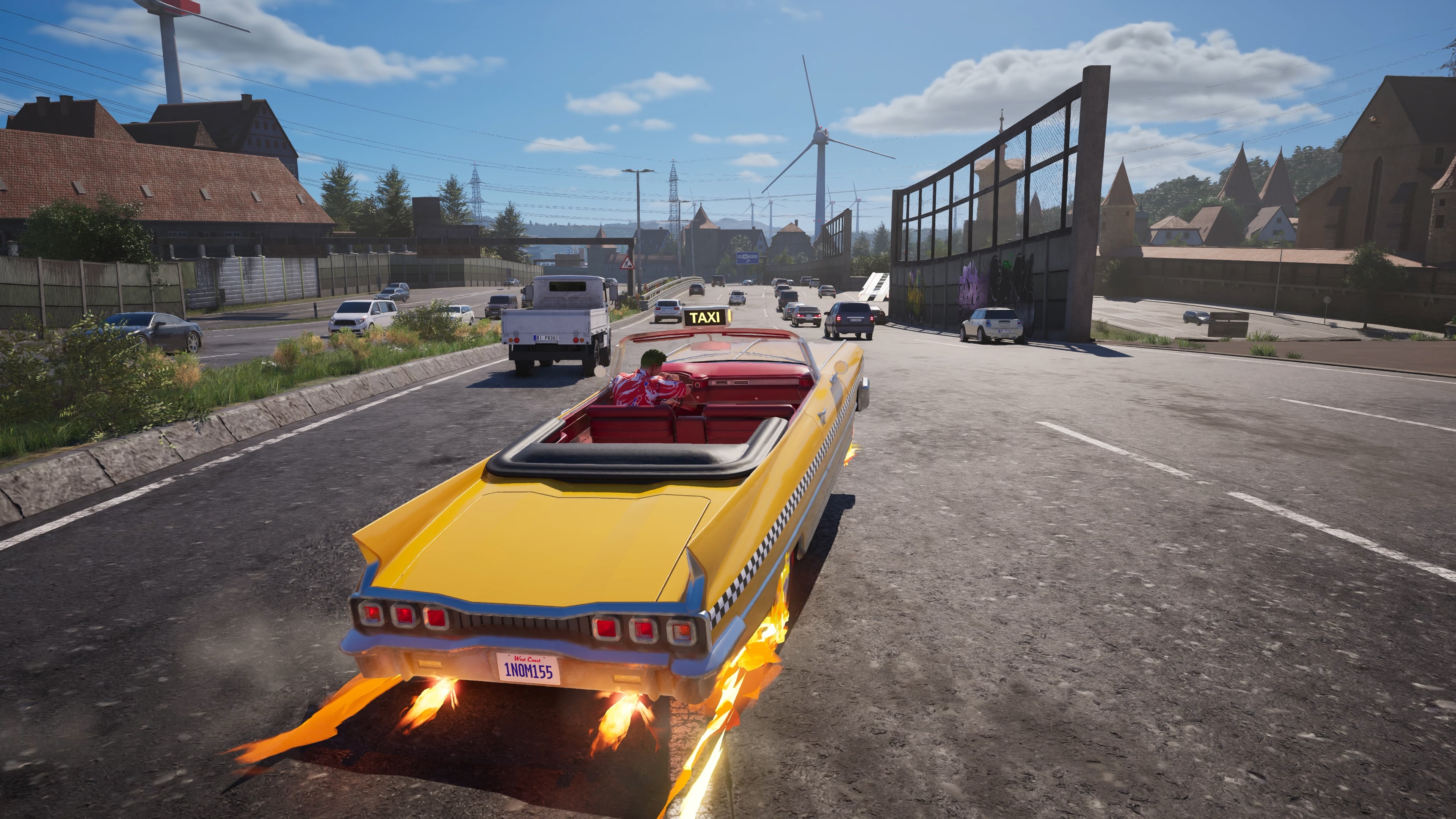
Watch: Transmitting Gameplay footage from the field: Crazy Taxi: World Tour Multiplayer Premiere
Sector Overview: Legacy Arcade, Recompiled
Crazy Taxi: World Tour is no longer presenting as a simple remaster—it’s positioning itself as a reference build for how to modernize a legacy arcade property without losing the soul of the original. Over the last week of gamescom 2026 intel drops, a consistent picture has formed: this is a systemic overhaul, not a nostalgia cash-in. SEGA is rebuilding the city logic, vehicle handling, and objective structure while preserving the core “earn-cash-fast” feedback loop that defined the Dreamcast-era classic.
For #gamedev observers and #indiegame teams wrestling with how to reboot old IP or spiritual successors, Crazy Taxi: World Tour is rapidly becoming a live case study in balancing heritage with contemporary design demands.
Systemic Modernization, Not a Texture Pass
The most important signal from the field: Crazy Taxi: World Tour isn’t just a resolution and frame-rate bump. Reports from gamescom confirm a full systemic modernization pass:
Retooled City Layouts
The original Crazy Taxi cities were built around short, explosive runs and memorization-heavy routes. World Tour appears to treat the city as a systemic playground instead:
- Route Density: More overlapping fare paths and branching routes mean fewer “dead zones” and more constant decision-making.
- Verticality and Flow: Overpasses, underpasses, and multi-layer intersections are tuned to reward aggressive line choice and risk-taking.
- Objective Surfacing: Landmarks and high-value fares are surfaced more clearly without resorting to intrusive UI, preserving the arcade immediacy.
Refined Handling and Drift Engine
The new drift system is being described as a “recompiled” transmission—a hybrid between the snappy responsiveness of the arcade original and the more elastic, festival-style handling of modern open-world racers. The design intent is clear:
- Maintain the instant-on chaos of Crazy Taxi.
- Add enough nuance for skill expression in multiplayer and leaderboard play.
- Make drifting a core routing and scoring tool, not just a style flourish.
This is where the Forza Horizon comparison becomes meaningful. World Tour seems to adopt Horizon’s philosophy of accessible handling with a high skill ceiling, but applied to a shorter-session, objective-dense arcade loop.
Open-World Festival Energy Meets Arcade DNA
Intel from gamescom characterizes Crazy Taxi: World Tour as feeling like the offspring of the original Crazy Taxi and Forza Horizon. That’s not just a vibe statement; it’s a structural one.
- City-Scale Freedom: Instead of discrete, tightly bounded arenas, the city plays out more like a festival map—broad zones, discoverable routes, and emergent chaos.
- Sessionable Structure: Despite the bigger canvas, the economic loop remains short-burst: pick up, deliver, chain, repeat. This keeps the arcade spirit intact.
- Systemic Traffic Ecosystem: Traffic density and flow are tuned to create dynamic risk pockets rather than static obstacles, essential for both solo and multiplayer fare races.
For designers, this is a notable template: you can scale up the world and systems without abandoning the brevity and intensity of arcade design.
Germany Deployment: European Terrain as a Design Stress Test
Germany has been confirmed as the first international map in Crazy Taxi: World Tour, and it’s doing more than ticking the “global tour” box. It reads like a live-fire systems test for the new routing and handling model.
Terrain Variety as Mechanics Lab
The Germany grid isn’t just urban sprawl:
- Tight Village Streets: Designed to stress-test the precision of the new drift engine and close-quarters traffic weaving.
- Open Fields and Highways: High-speed arteries where line choice, slipstreaming, and risk management around oncoming lanes become key.
- Iconic Castles and Landmarks: These aren’t just backdrops; they appear to anchor high-value fare clusters and time-attack routes.
Layered on top are real-world brands like PUMA and ZWILLING, which act as both navigational anchors and monetizable surface area. For #gamedev teams, the Germany map is a useful reference in how to fold branded spaces into level design without derailing flow.
Multiplayer Net-Grid: Competitive Routing as a Core Pillar
The first multiplayer look at Crazy Taxi: World Tour reframes the city as a shared competitive arena rather than a solo time-attack space. The design thesis is straightforward but potent:
- Rival Cab Pilots: Multiple drivers hunting the same fare pool, creating natural contention and emergent rivalries.
- Territory Through Traffic: Players effectively weaponize traffic density and line choice, forcing opponents into suboptimal paths.
- Real-Time Route Optimization: Success isn’t just about raw speed; it’s about reading the live traffic ecosystem, predicting opponent lines, and dynamically rerouting.
Watch: Transmitting Gameplay footage from the field: Crazy Taxi: World Tour Reveal Trailer
From a systems perspective, this is where the retooled handling and city layouts pay off. Multiplayer exposes any weakness in route balance, fare distribution, or vehicle tuning immediately. The fact that SEGA is showcasing this early at gamescom suggests a high degree of confidence in the underlying simulation.
Design Takeaways for Developers
For studios—AAA and #indiegame alike—tracking Crazy Taxi: World Tour as a case study, there are several actionable insights:
1. Modernization Must Be Systemic
Simply upscaling assets is no longer enough for a legacy revival. World Tour’s approach—rebuilding city topology, revisiting handling, and rethinking objectives while keeping the core loop—illustrates a system-first modernization strategy.
2. Open Worlds Don’t Have to Dilute Arcade Intensity
By anchoring the experience around short, high-stakes fare runs and aggressive time pressure, World Tour shows that an open-world format can enhance, not erode, arcade pacing.
3. Multiplayer as a Design Truth Serum
Early exposure of multiplayer systems forces clarity around balance, fairness, and readability. Crazy Taxi: World Tour’s net-grid design underlines how competitive routing can become a primary pillar, not a bolt-on mode.
Strategic Outlook: A New Benchmark for Arcade Reboots
Across this week’s intel, one pattern is clear: Crazy Taxi: World Tour is quietly setting a benchmark for legacy arcade overhauls. It preserves the chaotic, cash-chasing heart of Crazy Taxi while layering on:
- Modern handling and drift systems.
- Expanded, systemic city design across international maps.
- Competitive multiplayer that weaponizes traffic and routing.
If SEGA can maintain this balance through launch and post-release support, Crazy Taxi: World Tour won’t just be a successful reboot—it will be a design template for how to bring other classic arcade IP back onto modern highways without losing their edge.
Sources and corrections
This archive entry does not have a verified article-source list. Images and video embeds alone are not evidence for every claim.
Found an error? Request a correction. Include the passage and a supporting source.
Your games, in one place
Keep up with Crazy Taxi: World Tour
Follow this game to collect its posts in your personal feed. Come back to see what you missed.