Automated archive / Control Resonant
Control Resonant Redefines Aggression and Boss Design
Control Resonant is evolving into a live thesis on aggression-first combat and reality-warping boss design, backed by a deliberate marketing and revenue strategy from Remedy. This week’s signals outline a clear playbook for developers who want to build pressure-driven encounters and long-term IP value.
AI-generated summary. This archive article does not have a current recorded source check. Check linked sources before relying on details. Editorial policy
Sector Intelligence Report // Control Resonant
Control Resonant is emerging as a sharp case study in how to iterate on a known IP without losing the systemic weirdness that made the original Control a design reference point. Over the last week, three key signals have come through the wire: a high-intensity boss encounter breakdown, a hard stance on aggression-first combat design, and a financial reroute from Remedy that prioritizes long-term IP visibility over short-term revenue.
For #gamedev teams, especially those in encounter design, combat systems, and production strategy, Control Resonant is starting to look less like a sequel and more like a live thesis on pressure-driven play.
Boss Encounter Deconstruction: Layered Phases, Layered Realities
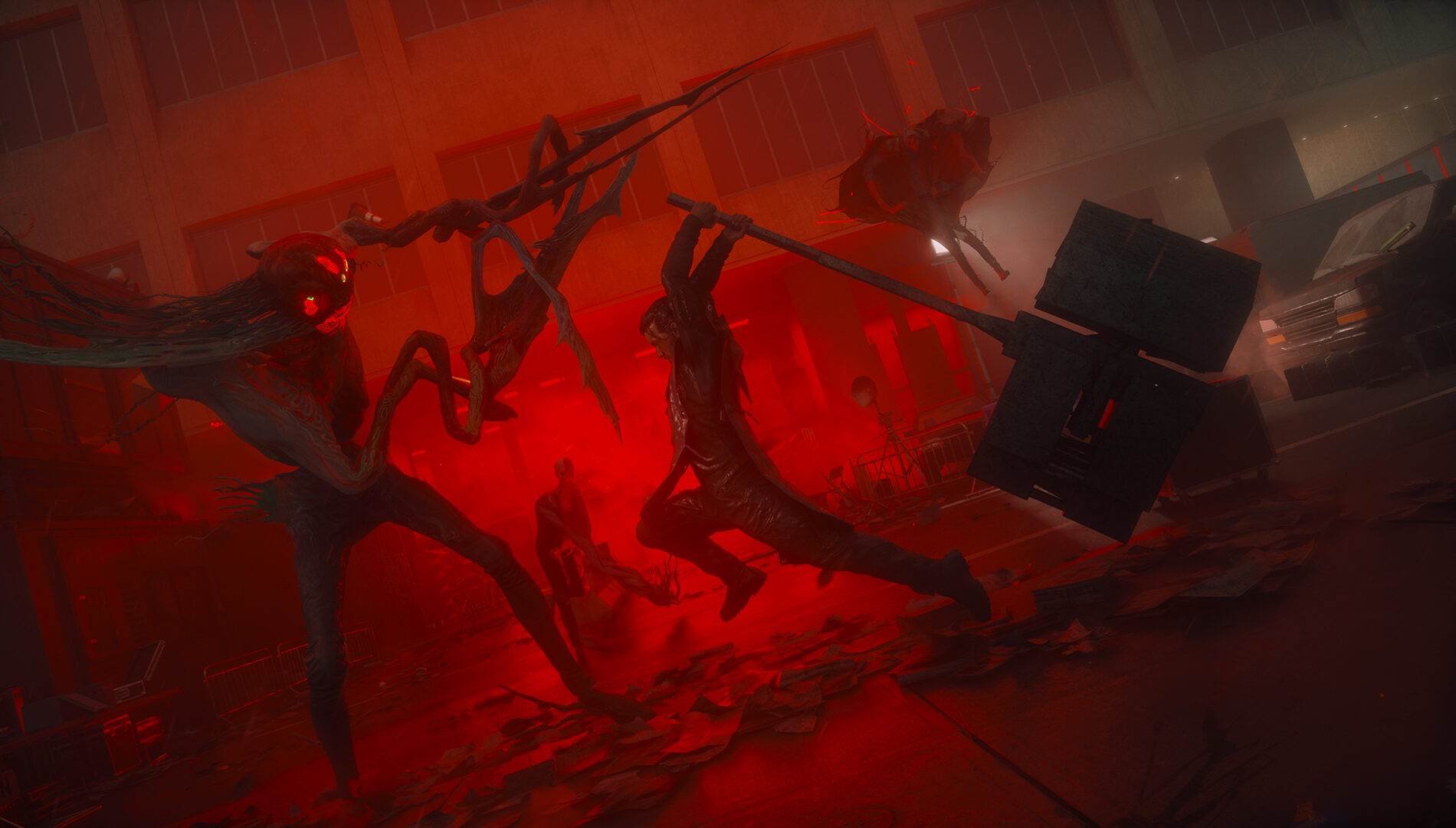
IGN First’s exclusive boss fight footage showcases a combat space that is both readable and aggressively unstable. The encounter appears structured around layered phase scripting, where each phase doesn’t just escalate damage numbers but rewrites the arena’s affordances.
Key observed pillars from the field log:
1. Environmental Manipulation as Primary Verb
Instead of treating environmental manipulation as a bonus power fantasy, Control Resonant seems to make it the backbone of encounter pacing. Debris density, line-of-sight breakers, and destructible cover are all in flux, suggesting a system where the boss’s state machine talks directly to environment controllers.
For encounter designers, this implies:
- Phase transitions that modify traversal routes (opening/closing vertical lanes, collapsing safe zones).
- Dynamic threat funnels, where the environment pushes players into high-risk, high-reward angles rather than allowing static, safe kiting.
2. Adaptive Pressure Systems
Enemy behavior in the footage hints at adaptive pressure logic rather than fixed pattern loops. The boss appears to:
- Adjust spacing to deny long-term “comfort ranges.”
- Chain reality-warping attacks that punish stalling or over-defensive play.
This is critical for #indiegame and AA teams studying how to avoid rote pattern memorization. Instead of “learn the dance and coast,” Control Resonant leans into pressure maintenance—the boss is a system managing tempo, not just a bag of attacks.
Watch: Transmitting Gameplay footage from the field: Official Control Resonant combat showcase
Aggression-Driven Combat: Designing for Forward Motion Only
One of the most striking design declarations this week: Control Resonant removes parrying entirely. No perfect blocks, no turtling. The combat doctrine is clear—players are hard-locked into forward aggression and proactive space control.
1. No Parry, No Shelter
By stripping out parry mechanics, Remedy is deliberately closing off a dominant defensive meta. This forces players into:
- Pushes and dodges as primary survival tools.
- Offensive disruption (stagger, interruption, crowd control) as the best form of defense.
For combat-systems engineers, this is a notable stance in a market saturated with parry-centric design. The takeaway: if you remove a beloved mechanic, you must over-invest in clarity of telegraphs, generosity of mobility, and feedback on hit confirmation to keep players feeling powerful rather than punished.
2. Tempo as a Core Resource
The language coming out of the field report—“adapt to pressure or be erased”—frames tempo as a resource you either own or lose. Expect:
- Encounters that punish disengagement with escalating hazards.
- Systems that reward chaining aggression (buff windows, cooldown refunds, or environment-reactive bonuses) for staying on the front foot.
For #gamedev teams, Control Resonant’s combat reads like a live experiment in anti-passive design—a useful counterpoint to slower, parry-driven combat models.
Visual & Technical Uplift: Beyond the Original Control Baseline
Field footage and official assets show a clear step up in visual fidelity over the original Control baseline. This isn’t just about prettier reflections; it’s about readability under chaos.

Notable shifts relevant to developers:
- FX as State Communication: Reality-warping effects are tightly scoped around attack states and arena transitions, giving designers more levers to communicate danger, not just spectacle.
- Destruction as Telemetry: The extent and style of environmental damage double as an informal combat log—players can read where pressure has been highest and adjust their positioning.
For teams pushing into high-density VFX spaces, Control Resonant is a strong case for tying every visual flourish back to mechanical clarity.
Remedy’s Revenue Dip: A Strategic Reroute, Not a Retreat
Remedy’s Q2 and H1 2026 revenue declines arrive in lockstep with increased pre-launch comms for Control Resonant. From a production and business perspective, this looks less like trouble and more like a deliberate power reroute.
1. Marketing as Long-Term Systems Design
Funneling resources into Control Resonant’s visibility suggests Remedy is treating the game as a cornerstone IP rather than a one-off release. For studios tracking AAAs that play the long game, the signal is clear:
- Short-term revenue softness can be an acceptable trade if it buys mindshare, market presence, and IP durability.
- Sustained beats—like the IGN First boss encounter and combat design messaging—are part of a long-tail acquisition funnel, not just launch-week noise.
2. Lessons for Smaller Teams
For #indiegame developers, the scale is different but the principle translates:
- Concentrated, well-timed beats (deep dives, focused combat breakdowns, design-forward messaging) can build authority.
- Being explicit about your design thesis—as Remedy is with aggression-first combat—helps your game stand out in a crowded feed.
Strategic Takeaways for Developers
Control Resonant’s latest transmissions form a coherent playbook:
- Design for aggression, not passivity: Removing parries and over-defensive tools can work if mobility, telegraphing, and offensive disruption are robust.
- Treat bosses as tempo managers: Layered phase scripting plus adaptive pressure systems keep encounters alive beyond simple pattern memorization.
- Use environment as a live system: Destruction, traversal shifts, and dynamic cover can be tied directly to boss states and player behavior.
- Align business strategy with design ambition: Remedy’s willingness to absorb revenue dips to power Control Resonant’s launch cadence is a reminder that IP-building is a long game.
As more data flows in, Control Resonant is positioning itself as a must-watch node for teams interested in high-tempo, systemically expressive combat and reality-bending encounter design.
Sources and corrections
This archive entry does not have a verified article-source list. Images and video embeds alone are not evidence for every claim.
Found an error? Request a correction. Include the passage and a supporting source.
Your games, in one place
Keep up with Control Resonant
Follow this game to collect its posts in your personal feed. Come back to see what you missed.
More to read about Control Resonant
- Source-checked briefControl Resonant is available on PS5 with DualSense features
Control Resonant is available on PS5. The game uses the DualSense speaker for radio calls and adaptive-trigger feedback for specific abilities, according to the announcement. PS5 players can...
- Source-checked briefControl Resonant launches on PS5 September 24
Control Resonant is scheduled to launch on PlayStation 5 on September 24. Players control Dylan across focused Manhattan areas, with main missions, side stories, and optional timed arcade...
- Source-checked briefControl Resonant is scheduled for Xbox on September 24
Xbox Wire lists Control Resonant for September 24, optimized for Xbox Series X|S and supporting Xbox Play Anywhere. The announcement describes Dylan Faden emerging into a warped Manhattan during a...