Automated archive / Call of Duty®: Warzone™
Black Ops Royale Rewrites the Warzone™ Combat Funnel
Black Ops Royale rips loadouts out of Call of Duty®: Warzone™ and rebuilds the battle royale around on-map progression, dynamic power curves, and Black Ops-era aggression. This week’s Sector Intelligence Report breaks down how the new mode quietly rewrites the meta while Season 2 Reloaded doubles down on classic...
AI-generated summary. This archive article does not have a current recorded source check. Check linked sources before relying on details. Editorial policy
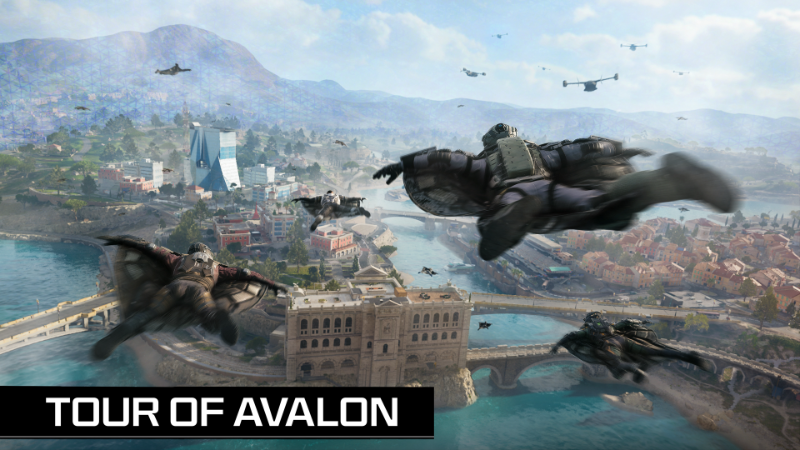
Strategic Overview: A Hard Reset on Warzone™ Assumptions
Call of Duty®: Warzone™ just deployed one of its sharpest structural pivots in years with Black Ops Royale – a mode that strips away pre-fab power, kills traditional loadout dependency, and forces players to live or die on on-map progression. Instead of dropping with meta-tuned builds, you enter the AO with a sidearm and a problem: adapt in real time, or get erased.
From a #gamedev and systems-design lens, Black Ops Royale is a deliberate response to years of loadout-driven homogenization. By removing preset crutches, the mode recenters the experience around loot pacing, positional decision-making, and emergent power curves, rather than spreadsheet-perfect gun setups.
Black Ops Royale: Dynamic Combat Funnel, Not Static Meta
The official "Systems Briefing" frames Black Ops Royale as a dynamic combat funnel: early-game pistol skirmishes naturally escalate into mid-game rifle duels and late-game fully-kitted firefights. This isn’t just marketing language – it’s a clear articulation of a design pillar.
On-Map Progression and Weapon Evolution
- No loadouts: All power is field-earned, not menu-selected.
- Upgrade in the wild: Weapons evolve as you survive and push. That implies:
- Tiered weapon states (base → improved → elite) likely tied to kills, contracts, or specific loot nodes.
- A feedback loop where aggression feeds progression: win fights, win better guns, win map control.
- Resource control as kingmaker: Because upgrades are map-bound, controlling high-value areas becomes as important as mechanical skill.
This is classic Black Ops DNA reinterpreted for a modern battle royale: risk-forward, aggression-rewarding, tempo-driven. From a development update perspective, it’s a strong example of how a live-service shooter can prototype almost a roguelite-style power curve inside a familiar BR shell.
Tactical Layer: Movement, Operators, and Era-Specific Tuning
Watch: Transmitting Gameplay footage from the field: Official 'How to Play Black Ops Royale' trailer
The "How to Play Black Ops Royale" trailer confirms three key integration points:
1. Classic Black Ops Operators and Weaponry
Black Ops-era operators and guns aren’t just cosmetic nostalgia; they shape readability and rhythm:
- Visual silhouettes and audio profiles are instantly recognizable to long-time players, reducing cognitive load in chaotic fights.
- Weapon behavior (recoil, time-to-kill, handling) leans into Black Ops’ historically snappier combat feel, which synergizes with the mode’s aggressive pacing.
2. Movement Tech and Zone Rotations
The briefing teases movement tech tuned to Black Ops-era tactics. Expect:
- Faster slide/peek engagements and more vertical exploitation of rooftops and ledges.
- Zone rotations that reward squads who can chain micro-movements (slides, mantles, quick peeks) through tight urban lanes.
This is crucial for #indiegame and #gamedev observers: it’s a live demonstration of how a mature franchise can re-contextualize legacy mechanics to create a distinct mode identity without fragmenting the playerbase.
3. Contracts and Intel as Soft Difficulty Modifiers
With synchronized intel drops on contracts and rotations, Black Ops Royale quietly uses objective systems as soft difficulty sliders:
- Squads that aggressively chain contracts accelerate their economy and power curve.
- More passive teams enter late circles under-geared, effectively playing a harder version of the same match.
Season 2 Reloaded: Meta Outside the Mode vs. Mode That Kills the Meta
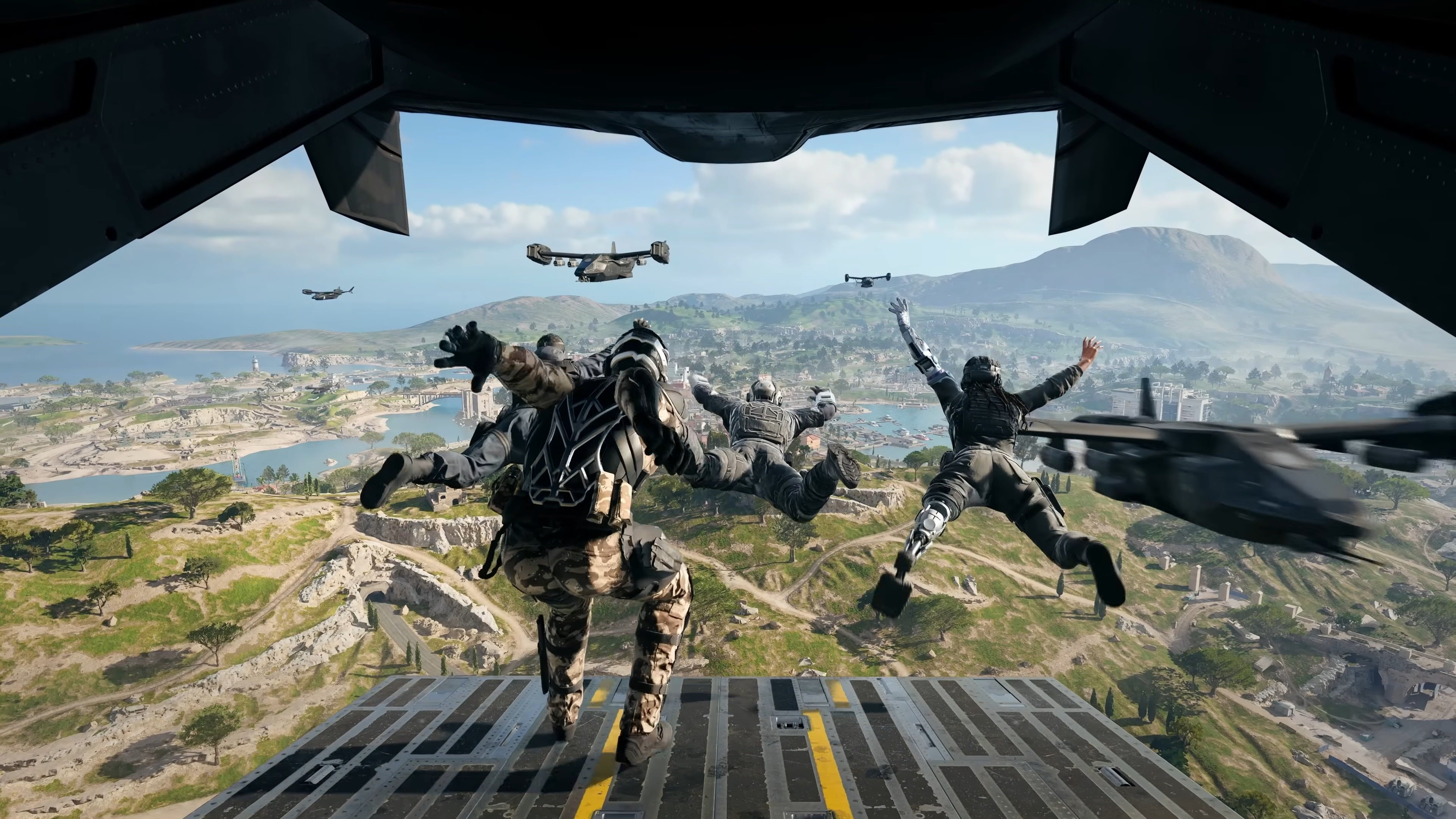
Parallel to Black Ops Royale, the Season 2 Reloaded dossier locks in a refreshed global meta: optimized builds for every weapon class, attachment synergies, and perk stacks designed to dominate Verdansk’s black market ecosystem.
This creates a fascinating duality:
- Core Warzone™ playlists still revolve around pre-match optimization – tuning recoil, damage ranges, and mobility through curated loadouts.
- Black Ops Royale deliberately breaks that loop, shifting the skill expression from menu knowledge to on-map adaptation.
From a systems design perspective, Activision is effectively running two competing philosophies inside the same product:
- Meta-first design: Rewarding players who study patch notes, spreadsheets, and build guides.
- Map-first design: Rewarding players who read terrain, timing, and resource flow under pressure.
For developers watching from the sidelines, this is a live A/B test at scale: which retention loop is stronger – the comfort of a stable meta, or the thrill of volatile, loot-driven progression?
Sector Forecast: What to Watch in the Coming Weeks
As Black Ops Royale settles, expect the following pressure points to define community sentiment and further development updates:
Balance and Power Curve Tuning
- If weapon evolution ramps too quickly, early momentum snowballs into unwinnable late circles.
- If it’s too slow, players feel underpowered and over-randomized, undermining agency.
The sweet spot is a curve where smart pathing + consistent wins beat raw RNG.
Competitive Viability and Skill Expression
Black Ops Royale has the potential to become a showcase mode for pure mechanical and macro skill, especially in custom and tournament environments where pre-match meta prep is minimized. How creators, streamers, and competitive teams adopt (or ignore) this mode will heavily influence its lifespan.
Long-Term Live Ops Integration
The big unknown: does Black Ops Royale stay a limited-time experiment, or become a pillar playlist? Its success could:
- Encourage further mode-specific mechanical rule sets (e.g., different TTK, economy, or movement per playlist).
- Inspire other studios – including smaller #indiegame teams – to experiment with in-match progression systems as a way to refresh aging BR frameworks.
Final Readout
Black Ops Royale is more than a nostalgia play; it’s a design thesis on how to reclaim tension, improvisation, and on-map decision-making in a battle royale that’s spent years orbiting around loadout meta spreadsheets. For players, it’s a brutal, refreshing reset. For developers, it’s a case study in how to iterate on a live-service giant without tearing out its core.
In this week’s Warzone™ sector, one truth stands: your menu knowledge won’t save you. Your pathing, timing, and trigger discipline might.
Sources and corrections
This archive entry does not have a verified article-source list. Images and video embeds alone are not evidence for every claim.
Found an error? Request a correction. Include the passage and a supporting source.
Your games, in one place
Keep up with Call of Duty®: Warzone™
Follow this game to collect its posts in your personal feed. Come back to see what you missed.