Automated archive / Call of Duty: Black Ops 7
Black Ops 7 Season 03 Reloaded Pushes Endgame Systems Into Overdrive
Season 03 Reloaded turns Call of Duty: Black Ops 7 into a live-ops pressure cooker, with Endgame raids and Totenreich Zombies driving a new wave of systemic experimentation. This week’s intel breaks down how Treyarch is using mid-season updates as controlled design experiments across co-op, multiplayer, and Warzone.
AI-generated summary. This archive article does not have a current recorded source check. Check linked sources before relying on details. Editorial policy
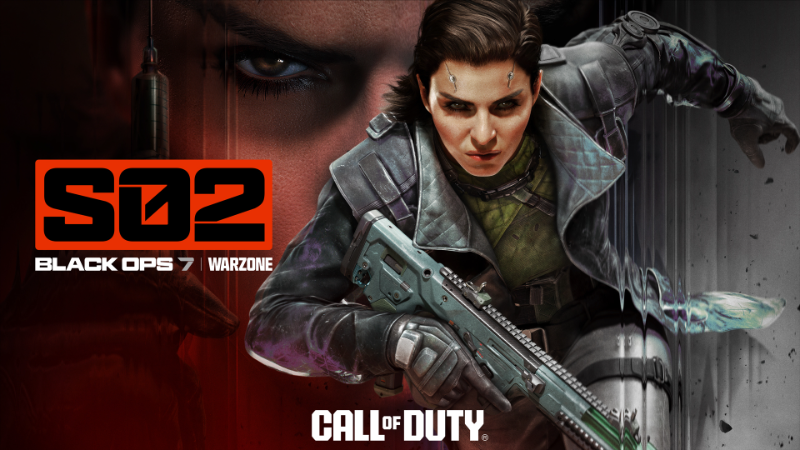
Sector Intelligence: Season 03 Reloaded Comes in Hot
Call of Duty: Black Ops 7 is shifting from live service maintenance to full-spectrum escalation with Season 03 Reloaded. The latest field transmissions outline a coordinated systems push across core multiplayer, Warzone, and co-op PvE – with a particular focus on the new Endgame operation and the Totenreich round-based Zombies experience.
From a #gamedev and live-ops standpoint, this is a textbook mid-season inflection point: new content, yes, but more importantly, recalibrated combat parameters intended to reshape how players engage with the sandbox over the next 4–6 weeks.
Endgame Co-op: Limited-Time Free Window, Long-Term Design Signal
The most telling move in this deployment is the Endgame co-op PvE operation going free-to-play for a limited window. That’s not just a marketing beat; it’s a systems test.
Design-wise, opening Endgame beyond the paid playerbase suggests Treyarch and the broader Call of Duty studio network are:
- Stress-testing coordinated raid design at scale, not just matchmaking throughput.
- Validating progression loops for non-competitive players who still want high-stakes content.
- Measuring conversion and retention: how many free operators convert into long-term Endgame squads or battle pass spenders.
For developers tracking service models, this is a clear indicator that co-op raids are being positioned as a third pillar beside multiplayer and Warzone. Expect telemetry from this free window to directly influence encounter pacing, reward cadence, and difficulty scaling in future seasons of call of duty: black ops 7.
Watch: Transmitting Gameplay footage from the field: Official Totenreich Zombies gameplay breakdown
Totenreich: Tight Loops, High Pressure, Environmental Control
The Totenreich systems test is the other big signal in this week’s intel. Official language around "high-pressure, wave-based constraints" and "precision environmental control" reads like a design manifesto for modern round-based Zombies:
- Coordinated squad tactics: Expect map lanes and choke points that punish solo heroics and reward role specialization (crowd control, support, objective running).
- Tight resource loops: Ammo, armor, and currency economies are likely tuned for constant brinkmanship – enough to survive, never enough to coast.
- Escalating hostility: Wave design probably leans on mixed enemy compositions and environmental hazards to keep squads moving rather than camping.
From a #gamedev perspective, Totenreich looks like an iterative refinement of classic Zombies with a sharper focus on readable difficulty curves and repeatable mastery. The recommendation in the intel for "pre-mission loadout simulations and rehearsed fallback routes" hints at a map built to reward rehearsal, not just reflex.
Multiplayer & Warzone: Meta Recalibration by Design
The Season 03 Reloaded briefing describes "fresh combat parameters, revised engagement zones, and new mission variables" across multiplayer and Warzone. Translated from marketing-speak, that’s a multi-layered balance and content pass:
- New maps and modes: Expect at least one tight 6v6 arena tuned for high time-to-engage and flank-heavy pathing, plus a more open layout that spotlights mid-range rifles.
- Meta shifts via systems, not just stats: Adjusting engagement zones and mission variables in Warzone suggests POI reworks, loot table tweaks, and contract distribution changes – subtle levers that move the meta without obvious nerf/ buff drama.
- Heat Wave Havoc & Hot Pursuit: Themed events likely wrap environmental modifiers and limited-time rulesets around existing systems, letting designers prototype more aggressive ideas under the cover of events.
For #indiegame teams watching from the sidelines, the key lesson is how call of duty: black ops 7 uses mid-season updates as controlled experiments. Each new mode or playlist is a data probe, not just content filler.

Live-Ops Takeaways: How Black Ops 7 Runs Its War Room
The language in these field reports – "systems online," "combat protocols deployed," "proceed as if the simulation is live ordnance" – isn’t accidental. It reinforces a core design philosophy:
- Treat every patch as an operation: Mid-season drops are framed as missions with objectives, not just patch notes. That framing keeps the community primed for change.
- Cross-mode coherence: Endgame, Totenreich, multiplayer, and Warzone share a thematic throughline of escalation and blurred lines of control. Narrative and systems are aligned.
- Data-driven iteration: Limited-time windows (like free Endgame access) and event-bound rule sets give designers safe sandboxes to test aggressive ideas without permanently fragmenting the playerbase.
As Season 03 Reloaded spins up, call of duty: black ops 7 isn’t just shipping more content; it’s actively probing its own boundaries. For developers across the spectrum – from AAA to #indiegame – this week’s intel is a reminder that the real game isn’t just what launches on day one. It’s how you weaponize every subsequent update.
Sources and corrections
This archive entry does not have a verified article-source list. Images and video embeds alone are not evidence for every claim.
Found an error? Request a correction. Include the passage and a supporting source.