Automated archive / Call of Duty: Black Ops 7
Black Ops 7 Season 2 Reloaded Rewrites the Tactical Playbook
Season 2 Reloaded turns Call of Duty: Black Ops 7 into a live-fire lab for map design, meta disruption, and co-op escalation. From zero-loadout Black Ops Royale to Nightmare Zones and reengineered chokepoints, Treyarch is stress-testing how far a mid-season update can push a live shooter.
AI-generated summary. This archive article does not have a current recorded source check. Check linked sources before relying on details. Editorial policy
Sector Overview: Mid-Season, Maximum Disruption
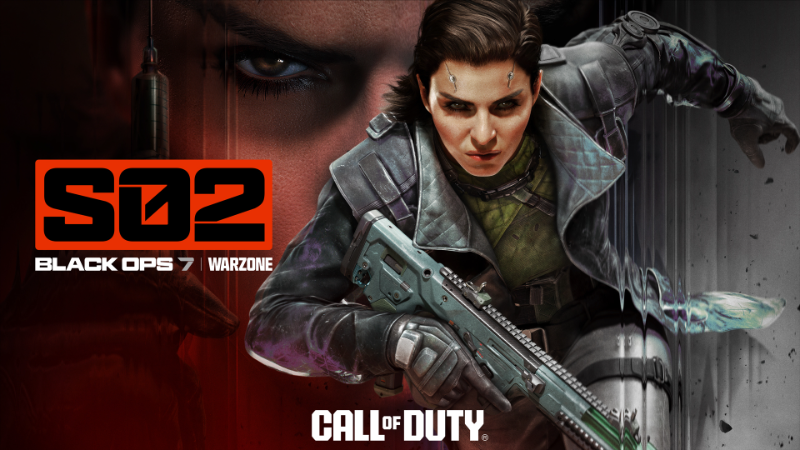
Call of Duty: Black Ops 7 is entering its most volatile phase yet with Season 2 Reloaded, a mid-season deployment that doesn’t just add content—it rewires the tactical assumptions players have been running on since launch. From a recalibrated multiplayer map pool to a zero-loadout Black Ops Royale and escalated Zombies operations, this update functions like a live-service stress test for both the player meta and Treyarch’s systemic design.
For developers and designers tracking #gamedev trends, Season 2 Reloaded reads like a controlled experiment in pacing, risk/reward tuning, and encounter density. For players, it’s a hard reset on comfort picks and muscle memory.
Multiplayer: Map Expansion and Meta Shock
Season 2 Reloaded’s tactical map expansion is the headline shakeup on the competitive side. Treyarch isn’t just shipping more playspaces; the studio is deliberately rerouting how engagements form and flow.
Rebuilt Chokepoints and Sightlines
The new and reworked maps highlighted in the official Season 2 Reloaded multiplayer trailer focus on:
- Tightened time-to-contact – Faster first-gunfight windows compress the early round, reducing dead time and punishing slow rotations.
- Vertical flanking routes – Rooftops, catwalks, and layered interiors introduce multi-level threat vectors, forcing teams to split attention between horizontal lanes and aerial collapse angles.
- Power-position logic refresh – Traditional anchor spots and head-glitch lines are being challenged. Strongholds now trade raw visibility for vulnerability to off-angle pushes and equipment counters.
For competitive squads, this means VOD reviews and minimap memorization become mandatory again. For #gamedev observers, this is a live example of how minor geometry shifts and spawn logic can re-architect an entire meta without touching weapon stats.
Loadout Adaptation and Role Compression
With more close-quarters conflict and layered verticality, Season 2 Reloaded subtly compresses traditional role boundaries:
- SMG and shotgun mains gain new entry routes and breach vectors.
- AR and tactical rifle players must adapt to more dynamic cover usage and shorter sightlines.
- Snipers are pushed toward hybrid builds or anchoring fewer, more exposed power positions.
The development update implied by these changes is clear: Treyarch is using map design to nudge the weapon ecosystem instead of brute-forcing balance with patch notes. It’s a design-first approach that many #indiegame teams can study when they don’t have the bandwidth for constant weapon retuning.
Black Ops Royale: Zero-Loadout, High-Friction Extraction Fantasy
Black Ops 7’s Black Ops Royale mode, rolling out shortly after the mid-season launch, is a bold statement: 100 operators, zero loadouts, pure scrap loot, last squad standing.
By stripping away pre-configured classes, Treyarch effectively:
- Levels the early-match playing field.
- Shifts skill expression toward looting efficiency, positioning, and on-the-fly build crafting.
- Highlights environmental storytelling and item placement as primary progression vectors.
This is battle royale design boiled down to bare metal. It leans into improvisation over pre-game theorycrafting, and it’s a strong case study in how removing systems (loadouts) can sometimes deepen engagement rather than dilute it.
Nightmare Zones & Glitch Fractures: PvE as High-Risk Endgame Lab
Season 2 Reloaded doesn’t leave co-op or narrative-focused players behind. Nightmare Zones and Glitch Fractures introduce instanced, off-map killboxes where squads are funneled into escalating PvE gauntlets.
Key design levers at play:
- Wave density and variant diversity – New undead types and denser waves test target prioritization and resource triage.
- Escalation events – On-the-fly difficulty spikes that force teams to decide between extraction and deeper push.
- Glitch Boss encounters – Capstone fights that anchor the risk/reward loop and justify the resource burn.
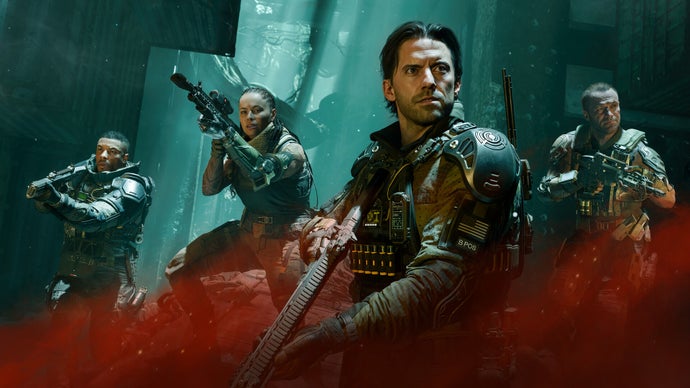
For developers, this reads like Treyarch using Zombies as a sandbox for endgame economy tuning: how far can you push players’ ammo, plates, and utility before frustration outpaces reward? The introduction of Nightmare Skills and trackable high-value rewards through Mid-Season Events and Weekly Challenges shows a clear push toward RPG-lite progression without drowning players in menus.
Zombies Escalation: Cohesion as a Core Stat
The Season 2 Reloaded Zombies trailer teases a containment breach scenario where squad cohesion is effectively a stat. Tighter resource margins and more punishing enemy compositions mean:
- Lone-wolf behavior is heavily disincentivized.
- Revive economy and role specialization (crowd control, boss damage, support) matter more.
- Communication and route planning become as important as raw aim.
This reinforces a broader trend in live-service shooters: co-op modes are no longer side dishes. They’re retention engines. For #indiegame teams building smaller-scale co-op experiences, Black Ops 7’s Zombies update is a blueprint on how to escalate without simply inflating HP bars.
Free Play Days: Funnel Expansion and Telemetry Harvest
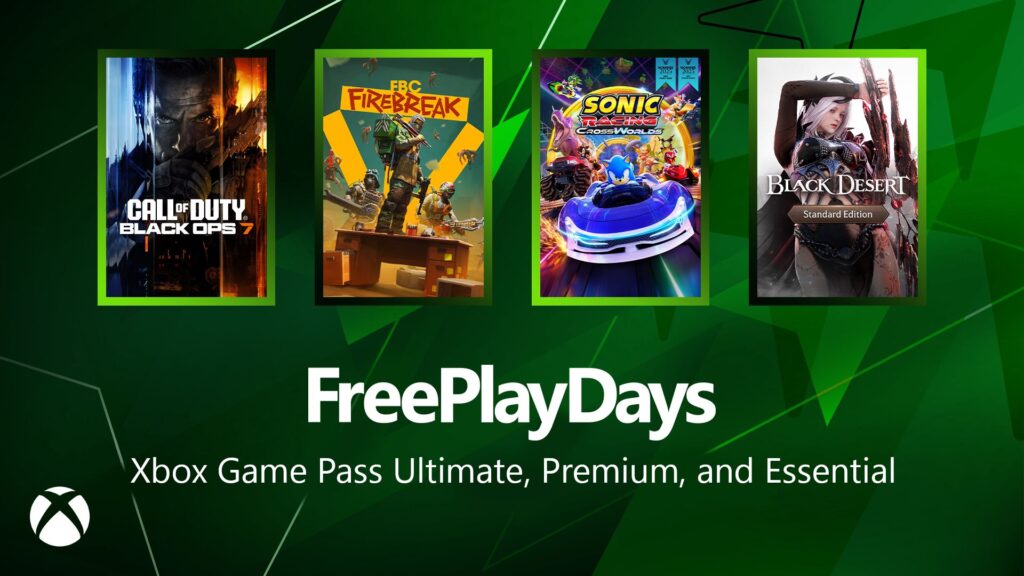
Xbox’s Free Play Days operation, featuring Call of Duty: Black Ops 7 alongside Sonic Racing: CrossWorlds, FBC: Firebreak, and Black Desert, is more than a marketing beat. For Treyarch and Activision, it’s a telemetry windfall.
New players entering during Season 2 Reloaded give the studio fresh data on:
- Onboarding friction in a mid-season ruleset.
- Map and mode preference without pre-existing bias.
- Retention deltas between PvP, PvE, and Black Ops Royale.
From a #gamedev perspective, timing Free Play Days with a major development update lets the team validate whether their systemic changes are legible to cold players, not just the entrenched core.
Strategic Takeaways for the Field
For players:
- Treat Season 2 Reloaded as a hard tactical reset—your old sightlines and rotations are now liabilities.
- Scrim the new maps in controlled lobbies before you queue ranked; rebuild your mental map from the ground up.
- In Zombies and Nightmare content, draft clear squad roles and stick to them—ad hoc chaos will get you wiped.
For developers and designers observing Black Ops 7:
- Map design remains one of the most powerful, underdiscussed levers for meta change.
- Removing systems (like pre-game loadouts in Black Ops Royale) can deepen moment-to-moment decision-making.
- Co-op endgame can serve as a live lab for progression, economy, and difficulty tuning that later informs PvP.
Call of Duty: Black Ops 7’s Season 2 Reloaded push isn’t just a content drop—it’s a live demonstration of how a top-tier studio uses mid-season cadence to keep a complex shooter ecosystem volatile, legible, and profitable, all while offering a rich case study for the broader development community.
Sources and corrections
This archive entry does not have a verified article-source list. Images and video embeds alone are not evidence for every claim.
Found an error? Request a correction. Include the passage and a supporting source.