Automated archive / Call of Duty: Black Ops 7
Black Ops 7 Season 2 Reloaded Rewires the Battlefield Meta
Season 2 Reloaded turns Call of Duty: Black Ops 7 into a live-fire design lab, rewiring map flow, loot economies, and Zombies escalation in a single mid-season strike. From zero-loadout Black Ops Royale to high-risk Nightmare Zones, Treyarch is testing how far it can push the meta without losing player trust.
AI-generated summary. This archive article does not have a current recorded source check. Check linked sources before relying on details. Editorial policy
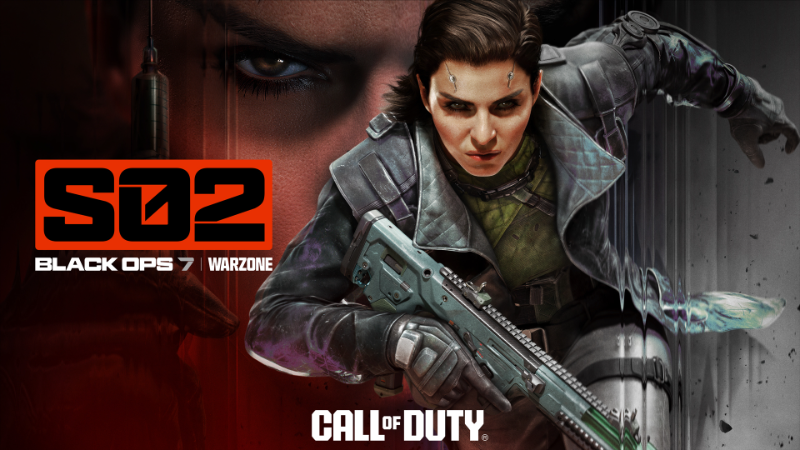
Strategic Overview: Mid‑Season, Maximum Disruption
Season 2 Reloaded for call of duty: black ops 7 isn’t a minor balance pass—it’s a full-spectrum meta disruption across Multiplayer, Zombies, and the new Black Ops Royale experience. Treyarch is using this mid-season window as a live-ops stress test, tightening engagement ranges, escalating PvE pressure, and forcing squads to relearn the fundamentals of positioning, resource flow, and risk management.
From a #gamedev and systems-design standpoint, the update reads like a deliberate attempt to shorten the feedback loop between player intent and consequence. Time-to-contact is dropping, flanking vectors are multiplying, and high-ground logic is being rewritten in real time. For competitive squads and designers watching from the outside, Season 2 Reloaded is a case study in how to reconfigure a live shooter without hard-resetting player investment.
Multiplayer: Tactical Map Expansion and Meta Recalibration
Chokepoints, Sightlines, and Power Positions Rebuilt
The Tactical Map Expansion is the headline systems change. New combat zones are being spliced into the existing rotation, but this isn’t just more square footage—it’s a reengineering of how players collide.
- Tightened time-to-contact: Spawn logic and lane density are tuned so opening duels happen faster. This compresses the pacing curve and rewards squads that can snap into set plays within seconds of deployment.
- Vertical flanking routes: Added ladders, climbable geometry, and multi-level interiors create stacked sightlines instead of linear firing lanes. Power positions now demand vertical awareness, not just horizontal crossfires.
- Objective lane disruption: Hardpoints, control zones, and bomb sites are framed by new entry vectors, increasing retake viability and punishing static anchor play.
From a level design perspective, Treyarch is clearly iterating on heatmap data from Season 1 and early Season 2. Dead zones are being activated, over-performing head glitches are being diluted, and the studio is experimenting with how far they can push close-quarters density before frustration outweighs flow.
Loadout Logic Under Pressure
With more aggressive engagement funnels, loadout theory shifts:
- SMGs and aggressive ARs gain value in the opening 30 seconds of each round.
- Snipers and DMRs must lean harder on off-angles and vertical perches instead of long, clean lanes.
- Utility and tacticals become the real gatekeepers of map control—smokes, stuns, and vision-denial tools are now mandatory for breaking new power positions.
For designers and #indiegame teams studying large-scale PvP tuning, this is a live demonstration of how spatial redesign can rebalance the sandbox without touching numerical weapon stats.
Black Ops Royale: Zero-Loadout, Pure Scrap Economy
Black Ops Royale is the most radical systems experiment in the Season 2 Reloaded package. Launching shortly after the mid-season patch, it strips away traditional loadout crutches:
- 100 Operators. No pre-built loadouts. Every squad drops cold—no custom weapon blueprints, no perk comfort blanket.
- Pure scrap loot economy. Power progression is driven entirely by what you can scavenge, upgrade, or steal off eliminated squads.
- Last squad standing, high-risk routing. With no guaranteed weapon identity, rotations are dictated by loot density, not just zone pulls.
Design-wise, this moves Black Ops 7 closer to a roguelite-inspired BR loop. The absence of pre-game optimization shifts mastery from menu meta to on-map decision-making—pathing, third-party timing, and opportunistic looting.
For the broader #gamedev community, Black Ops Royale is a meaningful experiment in reducing pre-match friction and testing whether players will tolerate higher variance in their early-game kit in exchange for more emergent stories.
Zombies: Nightmare Zones, Glitch Fractures, and Boss Pressure

On the PvE side, Season 2 Reloaded Zombie Containment Breach escalates Call of Duty: Black Ops 7’s undead threat profile dramatically.
New Variants and Denser Waves
Treyarch is pushing new zombie variants and more compact encounter spaces, resulting in:
- Tighter resource management: Ammo, armor plates, and consumables are tuned to force deliberate risk-taking instead of endless kiting.
- Higher squad cohesion demands: Solo heroics are devalued; revive chains and role specialization (crowd control, boss melt, support) are now central to survival.
Nightmare Zones and Glitch Fractures
Two key systems define the new Zombies loop:
- Nightmare Zones: Opt-in escalation arenas where enemy density spikes and environmental hazards compress movement. These zones function as risk-reward accelerators for teams chasing faster progression and high-value drops.
- Glitch Fractures: Off-map killboxes triggered mid-run, culminating in a Glitch Boss showdown. These events inject rogue-like unpredictability into otherwise linear runs, forcing squads to adapt builds and ammo usage on the fly.
For designers, this is a practical example of injecting micro-escalation events into a familiar mode to refresh player engagement without discarding legacy systems.
Live Ops, Events, and Access Windows
Mid-Season Events and Nightmare Skills
Season 2 Reloaded ties its new content into a broader Endgame escalation track:
- Nightmare Skills: Late-game power unlocks that appear tuned as both aspirational goals and difficulty levers.
- Mid-Season Events & Weekly Challenges: Structured progression rails that funnel players into the new maps, modes, and PvE encounters while feeding the cosmetics and XP economy.
This is standard live-ops practice, but the density of hooks in this update suggests Treyarch is aggressively testing retention curves heading into late-season.
Xbox Free Play Days: Funnel-Widening Strategy
The Xbox Free Play Days activation pulls Call of Duty: Black Ops 7 into a curated four-game lineup, giving Game Pass Core and Ultimate players a frictionless deployment window. From a business and #gamedev perspective, it’s a classic funnel-widening move timed to coincide with a high-impact content drop.
For prospective players, it’s effectively a trial by fire: jump into the game at one of its most mechanically volatile moments, when meta, maps, and modes are all in flux.
What to Watch Next
For players, analysts, and developers tracking Black Ops 7’s evolution, the key questions over the coming weeks are:
- Does the Tactical Map Expansion successfully rebalance power positions without over-indexing on chaos?
- Will Black Ops Royale’s zero-loadout philosophy sustain long-term engagement, or will players demand a return to traditional customization?
- Can the Nightmare Zones and Glitch Fractures model be extended into seasonal story arcs without burning out PvE squads?
As Season 2 Reloaded rolls out across all platforms on March 11, 9AM PT, Call of Duty: Black Ops 7 continues to position itself as a live-service laboratory—one where map geometry, loot economies, and PvE escalation are all variables in an ongoing design experiment.
Sources and corrections
This archive entry does not have a verified article-source list. Images and video embeds alone are not evidence for every claim.
Found an error? Request a correction. Include the passage and a supporting source.
Your games, in one place
Keep up with Call of Duty: Black Ops 7
Follow this game to collect its posts in your personal feed. Come back to see what you missed.