Automated archive / Blood of Dawnwalker
Cracking Blood of Dawnwalker’s Combat Uplink and Console Protocols
Blood of Dawnwalker’s latest intel drop locks in its identity as a ruthless, systems-driven action RPG built around precision, stamina discipline, and battlefield control. From console performance modes to escort mission design and core combat philosophy, every choice is tuned for clarity and consequence.
AI-generated summary. This archive article does not have a current recorded source check. Check linked sources before relying on details. Editorial policy
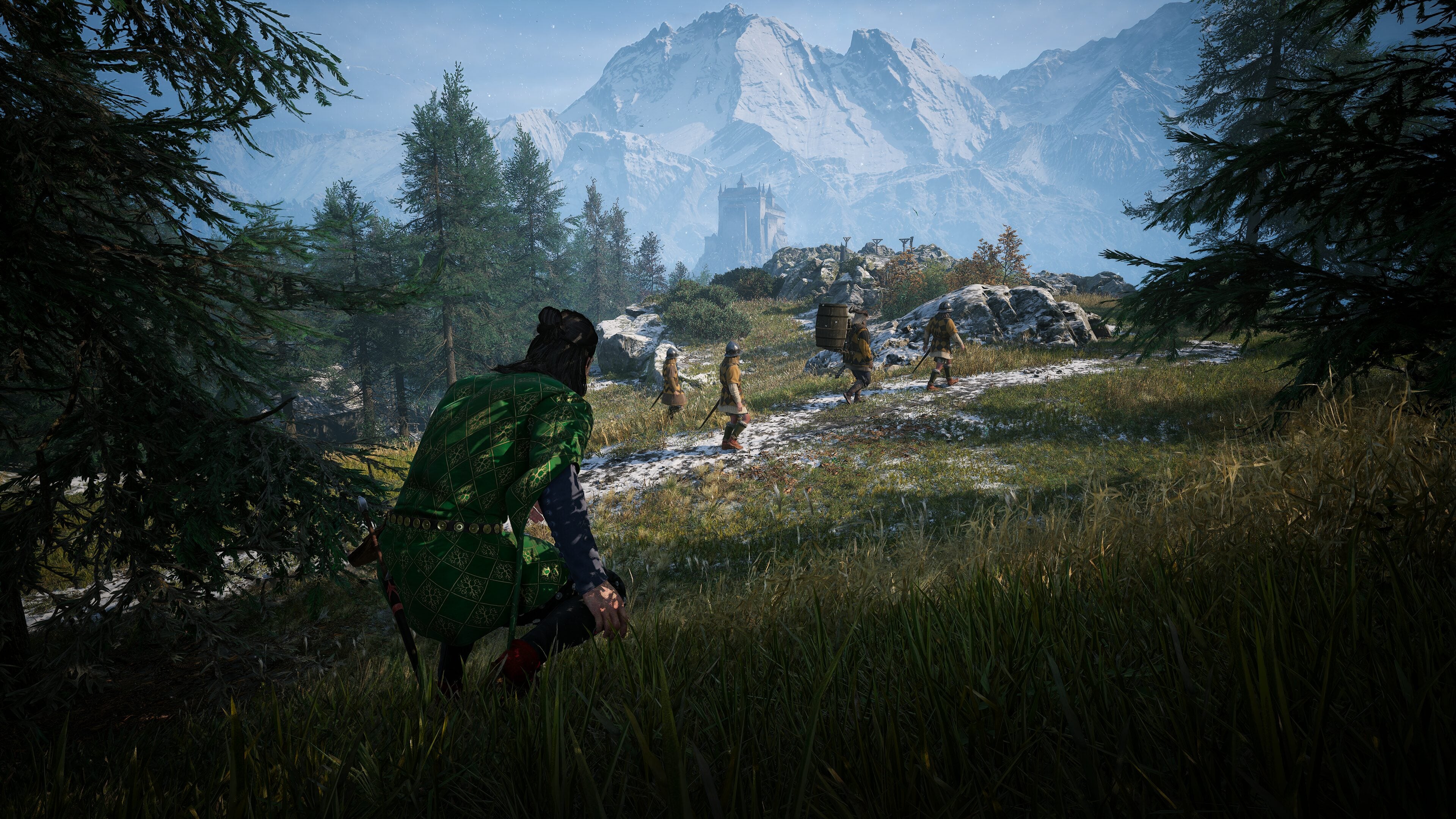
Sector Overview: Dawnwalker’s Systems Come Into Focus
Blood of Dawnwalker is starting to show its real operating profile this week, and the signals are clear: this is a precision-built #indiegame that expects you to respect its systems or get erased. Between fresh intel on console rendering modes, a surgical breakdown of the “Under Watchful Eyes” escort objective, and a set of foundational combat protocols, the game’s identity as a high-clarity, high-punishment action RPG is locking into place.
For players, this week’s transmissions read like a field manual. For #gamedev watchers, they double as a design x-ray: we’re seeing how the team is tuning friction, legibility, and risk across visual options, encounter scripting, and core combat pacing.
Rendering Protocols: Performance vs Balanced vs Graphics
Blood of Dawnwalker’s console modes are now fully decoded: Performance, Balanced, and Graphics. On paper, this sounds standard; in practice, the way these modes are framed says a lot about the game’s design priorities.
- Performance Mode is described as the “smoother motion” protocol. This is the mode for players who treat every frame as a data point in combat—where dodge timing, parry windows, and animation readability matter more than pixel-perfect sharpness. For a game that “doesn’t forgive sloppy inputs,” this will likely be the default for competitive and challenge-focused runs.
- Balanced Mode is pitched as stability-first: a compromise that tries to hold both visual clarity and a reliable frame-rate. This suggests the developers are targeting a consistent experience over peak spectacle, which tracks with an action RPG that leans into tight stamina and spacing mechanics.
- Graphics Mode pushes raw fidelity at the cost of speed. The fact that this mode is explicitly framed as a trade-off signals that Blood of Dawnwalker is built around responsiveness first, spectacle second.
From a #gamedev perspective, this is a classic example of aligning technical options with mechanical intent. The messaging doesn’t just say “pick your resolution”; it explicitly ties each visual profile to a different “combat rhythm.” That’s smart onboarding design: players are nudged to think about how their visual settings impact their ability to survive.
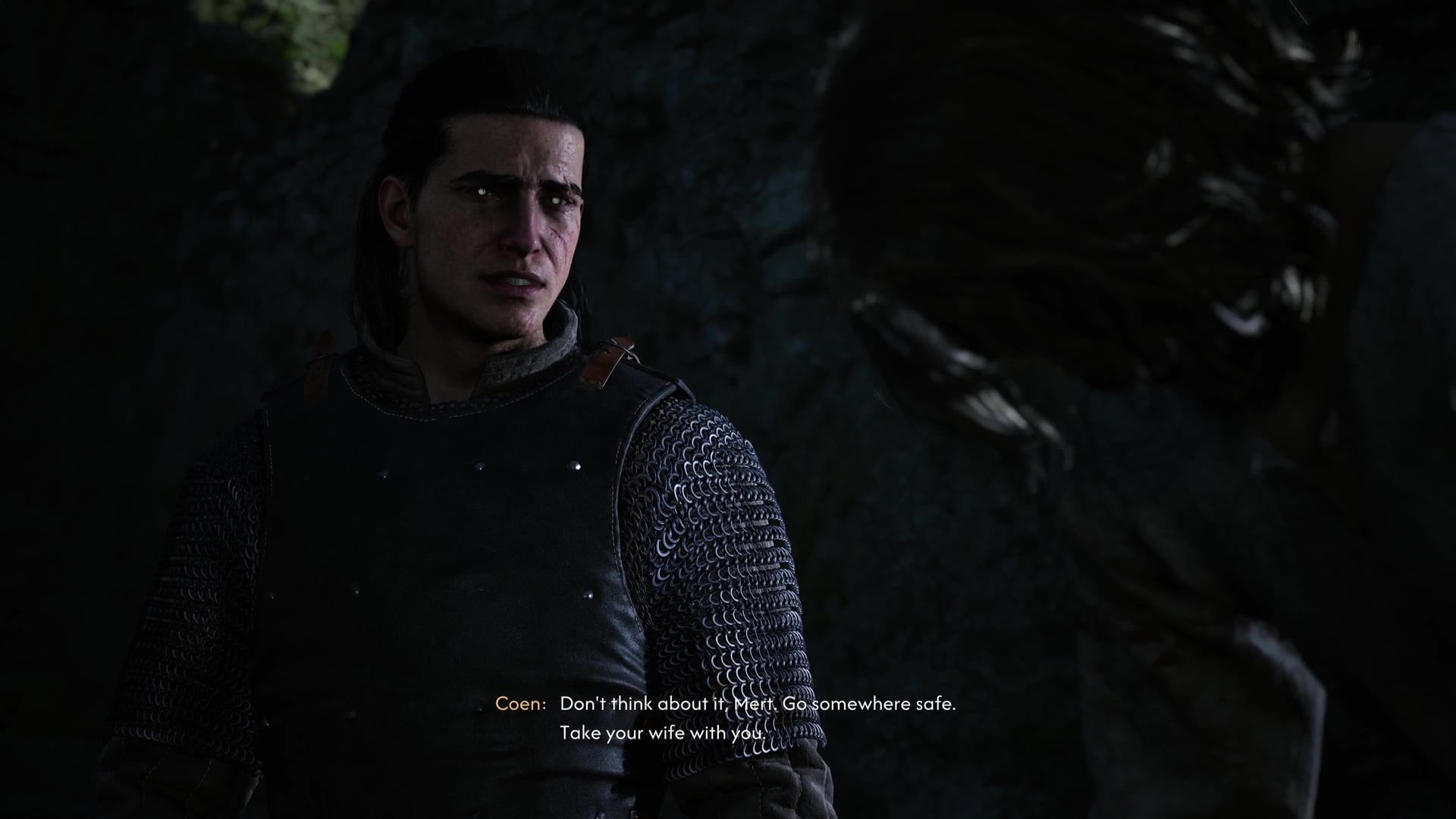
Operation Dawnwalker: Under Watchful Eyes and Escort Design
The “Under Watchful Eyes” mission—where you breach and escort Mert—functions as a live-fire test of Blood of Dawnwalker’s encounter philosophy. The intel is blunt: if you try to brute-force the route, the mission “turns lethal fast.”
Key tactical beats from the data packet:
- Route scanning over rushing: The optimal path isn’t just about shortest distance; it’s about line-of-sight, aggro thresholds, and controlling when and where you engage. That implies level design built around layered sightlines and staggered enemy clusters.
- Aggro management as a core skill: You’re told to treat this like a “precision convoy run,” where controlling spacing and threat vectors is more important than raw DPS. This is a subtle but important indicator: Blood of Dawnwalker wants you playing the battlefield, not just the enemy in front of you.
- Escort behavior tuning: “Never let the escort lead the line” is both player advice and a design tell. The AI is likely tuned to follow assertive positioning rather than heroically charging ahead, which reduces frustration and reinforces the player’s role as the tactical lead.
For #indiegame devs watching, this is a good case study in how to frame escort missions so they feel like controlled extractions instead of chaotic liabilities. The language around “full-area meltdown” also hints at fail states that escalate from local mistakes to zone-wide consequences, encouraging cautious, systemic play.

Combat Uplink: Stamina, Spacing, and Build Synergy
The combat briefing for Blood of Dawnwalker is ruthless in tone, and that’s intentional. Phrases like “adapt, re-route, or flatline” and “doesn’t forgive sloppy inputs” are more than marketing—they’re expectation-setting.
Core design pillars, as revealed by the intel:
1. Spacing as a Primary Resource
Players are urged to “lock in your spacing” and learn each enemy’s “wind-up cadence.” That suggests attack telegraphs are readable but punishing if ignored, and that enemy kits are built to test distance control just as much as reaction time. This is classic high-skill action design: your position is as important as your stats.
2. Stamina as a Power Grid
Describing stamina as a “finite power grid—never overdraw” is a strong metaphor for how the devs expect players to think. Every dodge, block, and heavy swing is a power allocation decision. Overcommit, and you’re not just open—you’re offline. For #gamedev observers, this implies tight stamina tuning and likely minimal safety nets in early encounters.
3. Target Isolation and Punish Windows
The recommendation to “prioritize target isolation” and “abuse openings after heavy whiffs” points to enemy behaviors with deliberate recovery frames. This is the game inviting players to learn patterns, bait commitments, and convert them into damage windows—less button-mashing, more tempo control.
4. Builds Synced to Movesets, Not Just Numbers
“Sync your build to weapon movesets, not pure stats” is a crucial design signal. It suggests that weapon identity and animation flow matter more than raw attack power. In practice, that means:
- Different weapons likely have distinct stamina curves and recovery timings.
- Synergistic builds are about how your stats, weapon, and playstyle interlock.
- Respeccing or rerolling gear becomes an exercise in finding a rhythm you can execute reliably, not just chasing the highest number.
Closing Signal: A High-Clarity, High-Discipline Action RPG
Across rendering modes, escort mission design, and combat fundamentals, Blood of Dawnwalker is presenting itself as a disciplined, systems-forward action RPG. Visual options are framed through responsiveness, missions reward route planning and aggro control, and combat is built around spacing, stamina, and pattern mastery.
For players, this week’s intel is your warning shot: if you want to survive, treat every system like a tool, not a suggestion. For developers and #gamedev analysts, Blood of Dawnwalker is shaping up to be a sharp case study in how to align technical choices, encounter scripting, and mechanical depth into a coherent, punishing whole.
Sources and corrections
This archive entry does not have a verified article-source list. Images and video embeds alone are not evidence for every claim.
Found an error? Request a correction. Include the passage and a supporting source.
Your games, in one place
Keep up with Blood of Dawnwalker
Follow this game to collect its posts in your personal feed. Come back to see what you missed.