Automated archive / Black Myth: Zhong Kui
Black Myth: Zhong Kui Locks In a High-Spec Mythic Slaughter Engine
New combat transmissions for Black Myth: Zhong Kui confirm a ruthless, precision-first action game built around tight dodges, heavy counters, and phase-based boss duels. The latest 15-minute gameplay feeds show a high-spec, cinematic hellscape that still prioritizes control fidelity over empty spectacle.
AI-generated summary. This archive article does not have a current recorded source check. Check linked sources before relying on details. Editorial policy

Sector Intelligence Report – Black Myth: Zhong Kui (Weekly Ops Brief)
Black Myth: Zhong Kui just pushed a dense combat data packet across the grid, and the signal is clear: this isn’t a loose character action brawler, it’s a precision-tuned, punishment-heavy combat sim wrapped in Chinese mythic horror. Across multiple new gameplay uplinks this week, the build presents as a high-spec #gamedev showcase—dense particle work, destructible arenas, and ruthless timing windows that demand clean inputs over button-mash chaos.
The latest 15-minute combat reel frames Zhong Kui less as a power fantasy and more as a methodical executioner. Sword forms snap between tight, low-latency slashes and weighty, commitment-heavy swings. Every dodge window looks deliberately narrow, pushing players to read boss tells instead of spam rolling. This is a combat language built around intent.
Combat Systems: Precision Over Panic
The recurring theme across all three tracked transmissions is discipline. The new footage shows:
Tight Dodge and Counter Economy
- Precision dodges: Invincibility frames appear short and unforgiving, more Sekiro than spectacle fighter.
- Heavy impact counters: Well-timed parries trigger brutal reprisals, often staggering elite enemies and opening cinematic finishers.
- Pattern literacy: Bosses telegraph with readable but varied strings, forcing players to learn phases rather than brute force through health bars.
This design direction signals a #gamedev focus on input clarity and animation legibility. Hit-stop, camera framing, and sound design all work to emphasize impact without drowning the player in visual noise—no small feat given the particle-heavy spellcasting on display.
Spellcasting and Ritual Systems
The footage repeatedly calls out volatile spellcasting and ritual-heavy abilities:
- Spells are not throwaway projectiles; they’re commitment tools—area denial, crowd control, or burst windows that must be slotted between enemy attack cycles.
- Ritual animations are longer but high-reward, suggesting a risk–reward loop where players must earn safe space to cast.
This leans into the folkloric identity of black myth: zhong kui, using ritual and exorcism motifs as mechanical anchors rather than just cosmetic flair.
Visual Pipeline: Cinematic Hellscape, Systems-First Framing
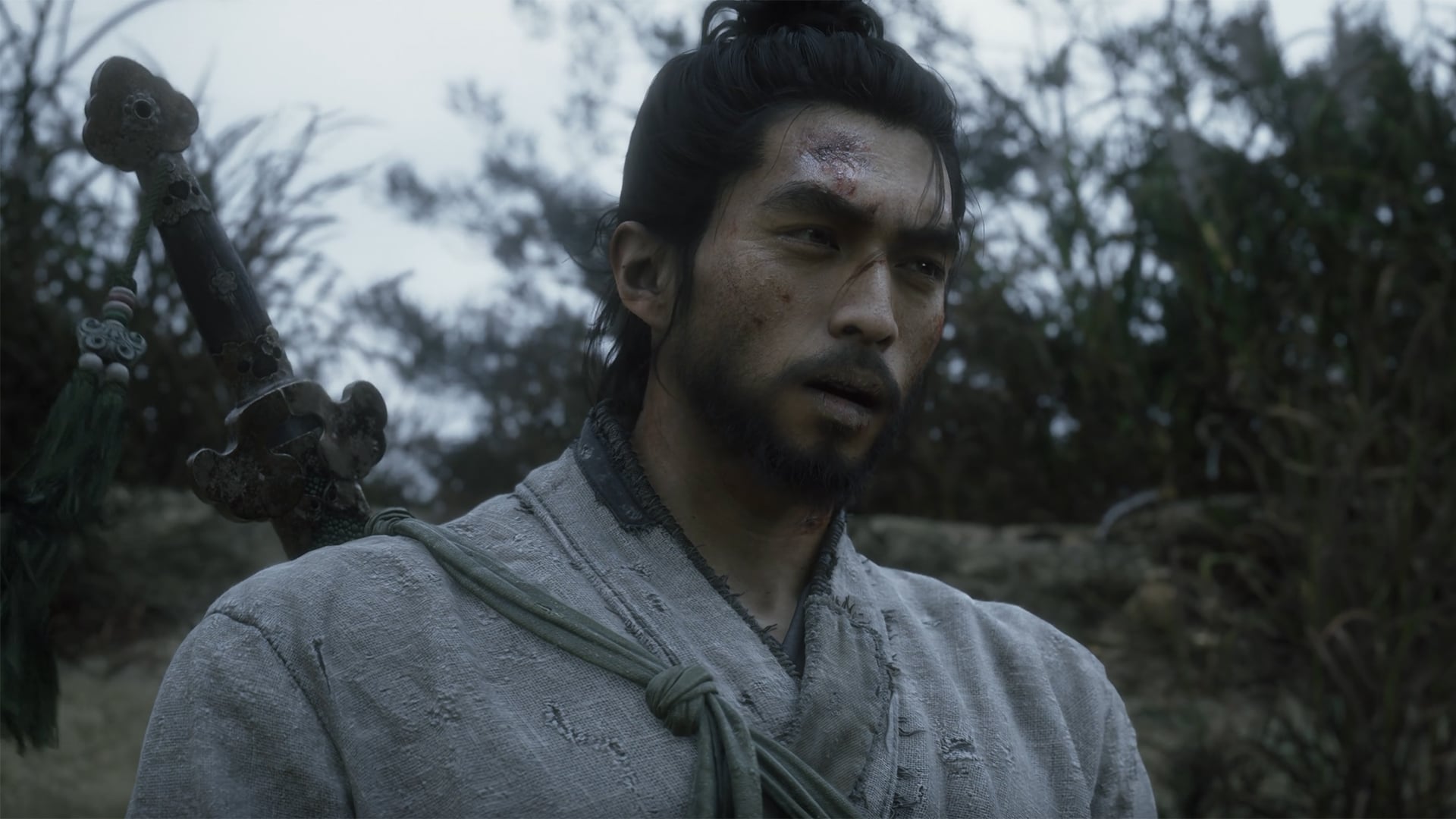
The visual stack is clearly targeting high-end PC and console:
- Dense particle effects layered over fire, ash, and spectral energy.
- Destructible arenas where pillars, debris, and set pieces fracture under heavy hits, subtly altering line-of-sight and spacing.
- Cinematic camera work that still respects player readability—tight zooms on finishers, but wide, neutral framing during high-intensity boss phases.
Even with the build flagged as work-in-progress, the combat reels suggest a stable performance target, which is crucial for a timing-sensitive action title. Animation blending between weapon forms and spell states appears smooth, which is key for selling Zhong Kui’s role as a relentless demon-slayer rather than a floaty action avatar.
Design Intent: Methodical Clash Loops, Not Mashy Mayhem
Across the three logged transmissions, a clear combat thesis emerges:
- No button-mash entropy: Enemies punish greedy strings, and bosses in particular retaliate hard against mistimed aggression.
- Phase-based boss design: Expect multi-phase duels where pattern memorization and adaptation matter more than raw DPS.
- Spectacle anchored in control fidelity: Visual excess is always tethered to clear feedback—hit sparks, stagger animations, and hurtboxes all read cleanly.
For players tracking black myth: zhong kui as a potential new pillar in action design, this week’s feeds suggest a project leaning into disciplined, high-skill play rather than broad accessibility. For the #indiegame and AA sector looking on, it’s also a strong signal that tightly scoped, mechanics-first design can still sit comfortably inside a cinematic presentation layer.
Development Update: What This Week’s Feeds Signal
From a production and #gamedev standpoint, the latest combat uplinks hint at a project entering late-stage tuning:
- Core combat loop appears locked: Systems for dodge, parry, spellcasting, and boss structure look feature-complete.
- Current focus likely on balance and readability: Hit feedback, damage tuning, and UI clarity are the typical polish passes for a build at this fidelity.
- Marketing cadence is accelerating: Multiple combat-focused trailers in a tight window usually precede deeper dives into progression, narrative framing, and platform specifics.
In short, Black Myth: Zhong Kui is presenting as a high-spec, mythic action title with a clear combat identity: ruthless timing, methodical pattern reads, and visually dense but mechanically disciplined encounters. If the final release maintains the control fidelity shown in this week’s footage, it could carve out a serious niche among players who want their folklore served with a side of punishment.
Sources and corrections
This archive entry does not have a verified article-source list. Images and video embeds alone are not evidence for every claim.
Found an error? Request a correction. Include the passage and a supporting source.
Your games, in one place
Keep up with Black Myth: Zhong Kui
Follow this game to collect its posts in your personal feed. Come back to see what you missed.