Automated archive / Beast of Reincarnation
Weapon Routes, Kill-Loops, and Combat Labs Inside Beast of Reincarnation
Beast of Reincarnation’s first wave of intel confirms a systems‑first action roguelite that players are already dissecting like a live lab experiment. From sword routing to reincarnation economies, the meta is forming fast—and it’s all about exploitation, not improvisation.
AI-generated summary. This archive article does not have a current recorded source check. Check linked sources before relying on details. Editorial policy

Watch: Transmitting Gameplay footage from the field: Official Beast of Reincarnation reveal slice
Sector Intelligence Report // Week of August 6
The latest telemetry on beast of reincarnation paints a clear picture: this isn’t a chaos brawler, it’s a systems-first action roguelite that expects players to think like designers. Over the last seven days, field logs have zeroed in on three fronts—sword routing, reincarnation-optimized builds, and combat lab work—that collectively define the current meta conversation around this #indiegame.
Steel Signal Sweep: Swords as Early-Game Power Spikes
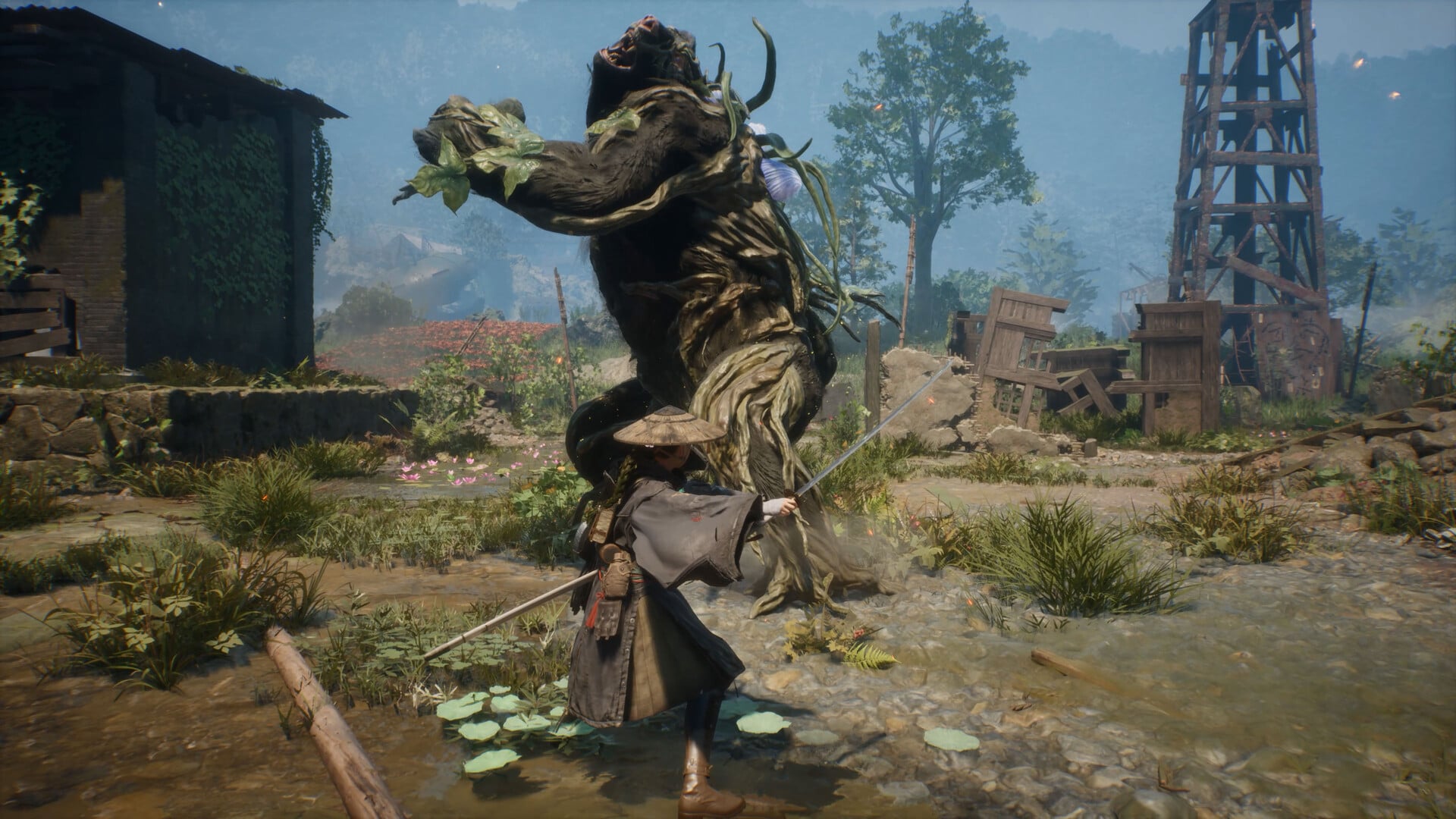
Intel tagged as “Steel Signal Sweep: Prime Sword Routes” highlights how aggressively the community is already reverse‑engineering the game’s loot tables. Multiple high‑tier blades appear to be seeded across fractured zones, late‑game dungeons, and elite enemy routes, and players are treating them like a speedrunner’s critical path rather than incidental drops.
The key takeaways from the sweep:
- Elite enemy tracking is emerging as a primary acquisition vector. Players are effectively turning boss rotations into predictable, farmable nodes.
- Secret chest interception suggests level designers have layered in both visible and invisible risk‑reward funnels—rewarding players who understand spatial pacing and enemy density.
- Route chaining (boss → dungeon → chest) is being used to assemble near endgame‑grade sword loadouts far earlier than the campaign curve expects.
From a #gamedev perspective, this is a stress test of progression tuning. If high-tier blades remain this front‑loaded, expect future balance passes that either:
- Nudge these swords deeper into the reincarnation loop, or
- Reframe them as build‑defining but conditional tools with sharper trade‑offs.
Optimized Kill-Loops: Designing for the Reincarnation Economy
The “Optimized Kill-Loop Configs” dispatch underlines the game’s core thesis: survival isn’t about raw reflex, it’s about weaponizing the reincarnation loop itself. Player behavior is converging on three pillars:
- High‑synergy skills: Kits are being built around compounding effects—DoT stacks, vulnerability windows, and cooldown‑based burst cycles.
- Damage‑stacking relics: Persistent or semi‑persistent modifiers are turning each loop into an economic run, where every death is a reinvestment opportunity rather than a reset.
- Sustain tooling: Lifesteal, mitigation layers, and resource refunds are being prioritized to maintain uptime across extended waves.
This is where beast of reincarnation positions itself less like a traditional action RPG and more like a macro‑management roguelite. The dominant meta is already about:
- Wave control vs. boss-burst duality – builds are being split between crowd algorithms and single‑target nukes.
- Resource efficiency – minimizing downtime between loops is becoming as important as raw DPS.
For developers, this is a live lab on how players interpret reincarnation as currency, not just narrative flavor. Any future development update that tweaks relic rarity, loop rewards, or death penalties will have outsized impact on this emerging economy.
Watch: Transmitting Gameplay footage from the field: Systems-forward combat breakdown slice
Combat as Laboratory: Mapping Patterns, Not Mashing Buttons
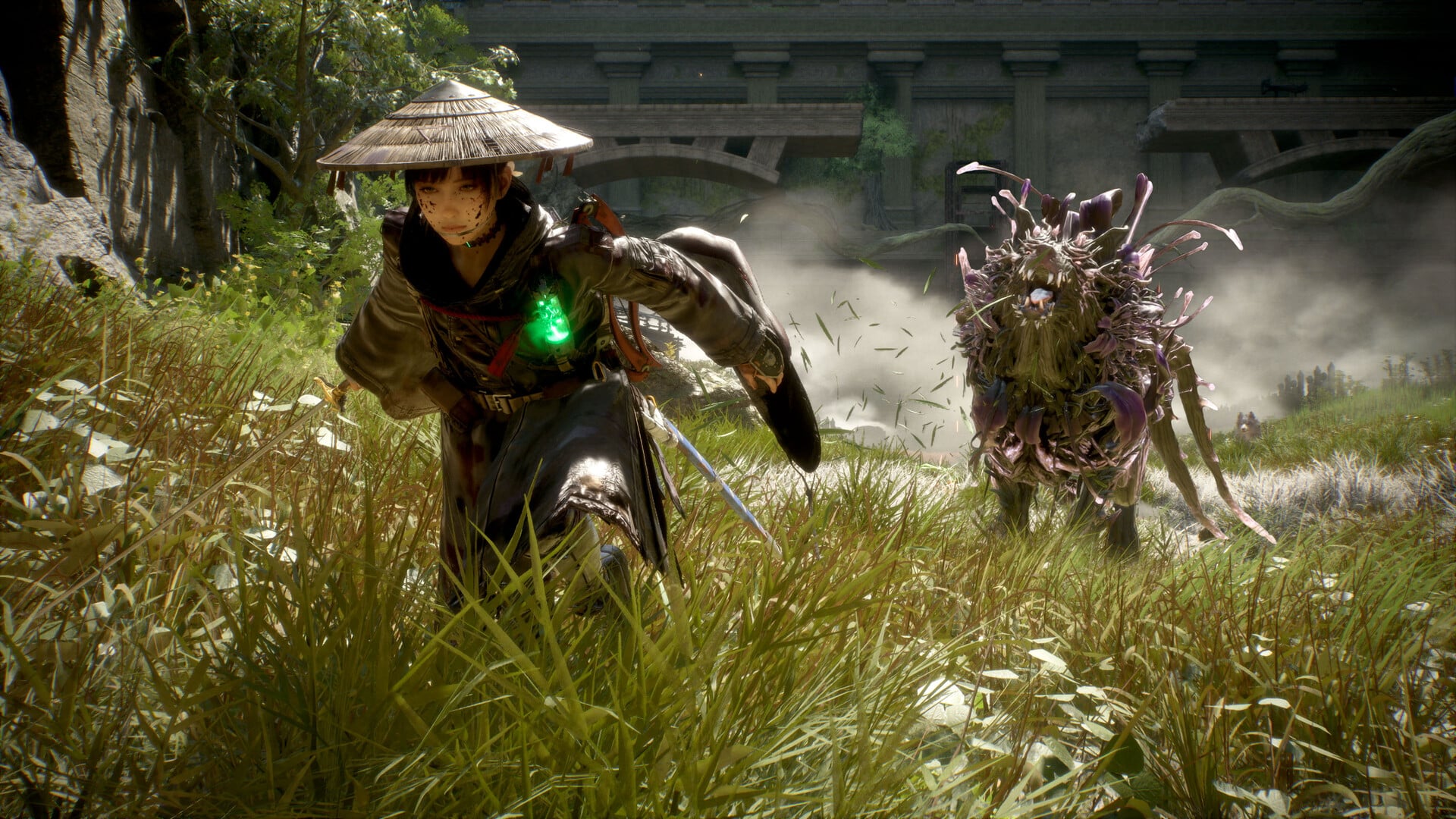
The “Tactical Systems Brief” and the first 21 minutes of gameplay uplink converge on a consistent message: Beast of Reincarnation’s combat is built to be solved, not merely survived.
Current field analysis shows:
- Enemy pattern literacy is king. Players are cataloguing attack strings and telegraphs the way fighting‑game communities map frame data.
- Reincarnation perks act as experimental variables. Each loop becomes another controlled test, with perks swapped in and out to validate new hypotheses.
- Timing windows—for parries, dodges, and burst cycles—are tight enough that “button mashing” is being actively punished.
The first 21 minutes provide crucial pacing data:
- Deliberate onboarding: Early encounters appear tuned to teach rhythm and spacing rather than overwhelm with volume.
- Layered systems: Mechanics are introduced in a staggered fashion, giving players room to mentally model how perks, relics, and weapon properties intersect.
- Escalating threat profiles: Each new enemy type is less a difficulty spike and more a new data point to plug into the player’s mental model of the combat sandbox.
For #gamedev teams watching from the outside, Beast of Reincarnation is a case study in designing action systems that expect players to behave like systems engineers. The current discourse isn’t about “feel” alone—it’s about exploitation potential: how far can you bend the rules before they break?
Strategic Outlook
As of this week’s sector scan, three trends define the live meta around this #indiegame:
- Route‑driven weapon acquisition is compressing the power curve.
- Kill-loop optimization is turning reincarnation into a long‑tail progression economy.
- Combat as laboratory is attracting players who enjoy treating action systems like solvable puzzles.
The next meaningful development update will likely orbit around one of these pressure points—either reinforcing the “lab” fantasy with deeper tools and telemetry, or tightening the screws on early‑game power access and loop exploitation. Either way, Beast of Reincarnation is already functioning as a live design experiment in how far you can push systemic transparency before the player base starts speedrunning your intent.
Sources and corrections
This archive entry does not have a verified article-source list. Images and video embeds alone are not evidence for every claim.
Found an error? Request a correction. Include the passage and a supporting source.
Your games, in one place
Keep up with Beast of Reincarnation
Follow this game to collect its posts in your personal feed. Come back to see what you missed.