Automated archive / Avatar Legends: The Fighting Game
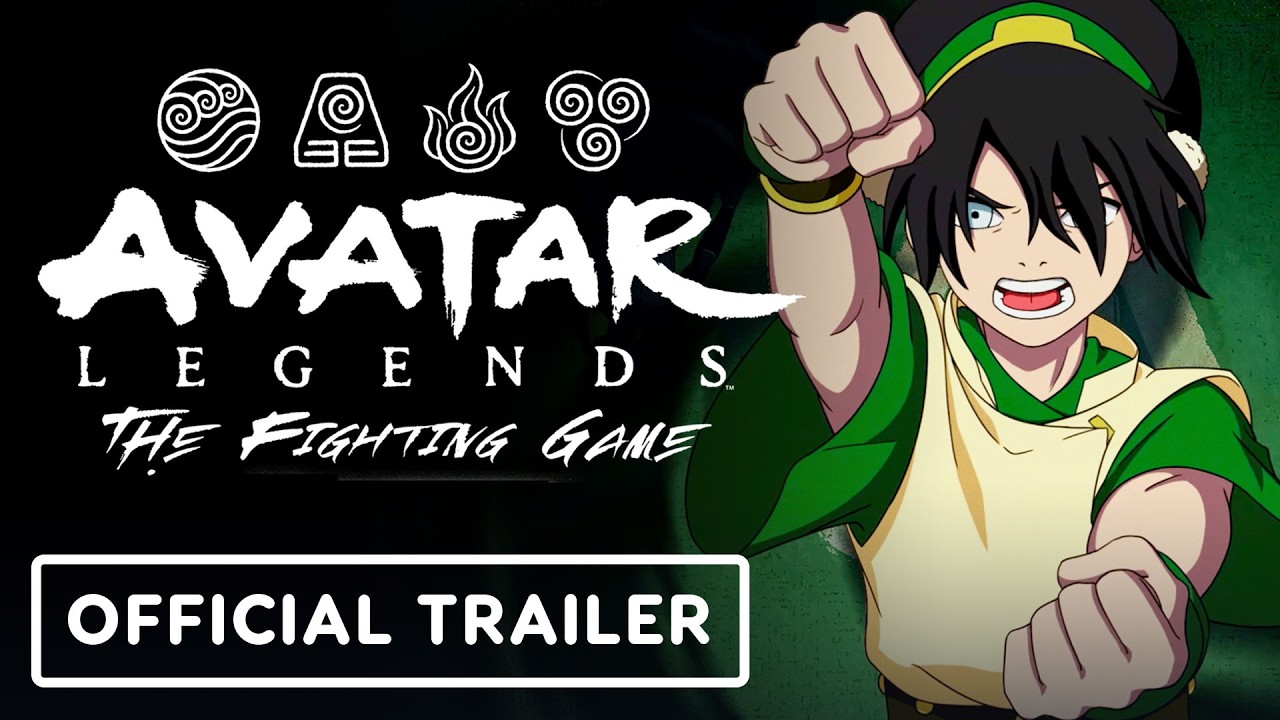
Avatar Legends: The Fighting Game Stalls on Xbox Runway as Systems Come Under Fire
Avatar Legends: The Fighting Game just hit turbulence with a last-minute Xbox launch abort and criticism of its combat impact, despite a robust competitive feature set. This week’s intel breaks down what went wrong, what’s working, and how the team can still weaponize the Avatar license.
AI-generated summary. This archive article does not have a current recorded source check. Check linked sources before relying on details. Editorial policy
Weekly Sector Overview
Avatar Legends: The Fighting Game just had its most volatile week since entering the public airspace. A last-minute Xbox Series X|S launch abort, mixed critical reception on combat feel, and a fresh systems breakdown of modes and features have turned what should have been a clean deployment into a live-fire test of messaging, QA, and long-term positioning.
For #gamedev and #indiegame teams watching from the tower, this is a textbook case study in how licensing power, platform logistics, and core combat design can drift out of formation.
Launch Abort: Xbox and Switch in a Holding Pattern
The biggest shockwave in the last 7 days was the sudden delay of the Xbox Series X|S version of avatar legends: the fighting game just hours before scheduled release. The Switch Deluxe Edition has also been locked into a holding pattern.
The language around the delay reads like a hard pivot rather than a planned staggered rollout. When a build is pulled that late:
- Certification red flags are the prime suspect—stability, performance, or compliance issues discovered too close to launch.
- Parity pressure may be in play. With a license this visible, the team and publisher may be unwilling to ship a weaker SKU while other platforms go live.
- Network or cross-play dependencies (if any) can also trigger a last-second abort if backend services don’t meet load or reliability thresholds.
From a player optics standpoint, this creates a split reality: some platforms moving forward, others stuck on the tarmac. From a production standpoint, it’s a reminder that platform-specific QA and certification strategy can decide whether launch day is a celebration or a damage-control sprint.
Systems Dossier: Modes, Feature Stack, and Player On-Ramps
Watch: Transmitting Gameplay footage from the field: Official Modes & Features Overview
A new official breakdown of modes paints a picture of a feature-complete competitive suite:
- Story Missions – Structured scenarios that double as onboarding for bending disciplines.
- Arcade ladders – Classic progression for solo play, ideal for stress-testing AI behavior and difficulty curves.
- Local/Online Versus – The core competitive arena, where frame data and matchup knowledge truly matter.
- Training Mode – The lab, crucial for any fighting game that wants a serious competitive tail.
- Tutorials – The gateway for casual Avatar fans who’ve never touched a frame-tight fighter.
From a design perspective, this is the correct scaffolding for an IP-driven fighter. The presence of robust Training and Tutorials is especially important when your audience includes players arriving for the license first and the genre second.
For developers, the interesting angle is how these modes are being framed as “labs for frame data, counters, and team synergy”. That suggests the designers are targeting systemic depth, not just spectacle—something that can sustain a meta and, potentially, grassroots competitive scenes.
Combat Intelligence: Competent Systems, Blunted Impact
A recent field analysis describes avatar legends: the fighting game as a mechanically competent arena brawler that doesn’t fully weaponize its Avatar license. That’s a precise criticism, and it sits at the intersection of mechanical design and fantasy fulfillment.
Key takeaways from the tactical post-mortem:
- Combo routing and character kits: Solid. There’s clear lab potential in how abilities chain and how characters can be explored over time.
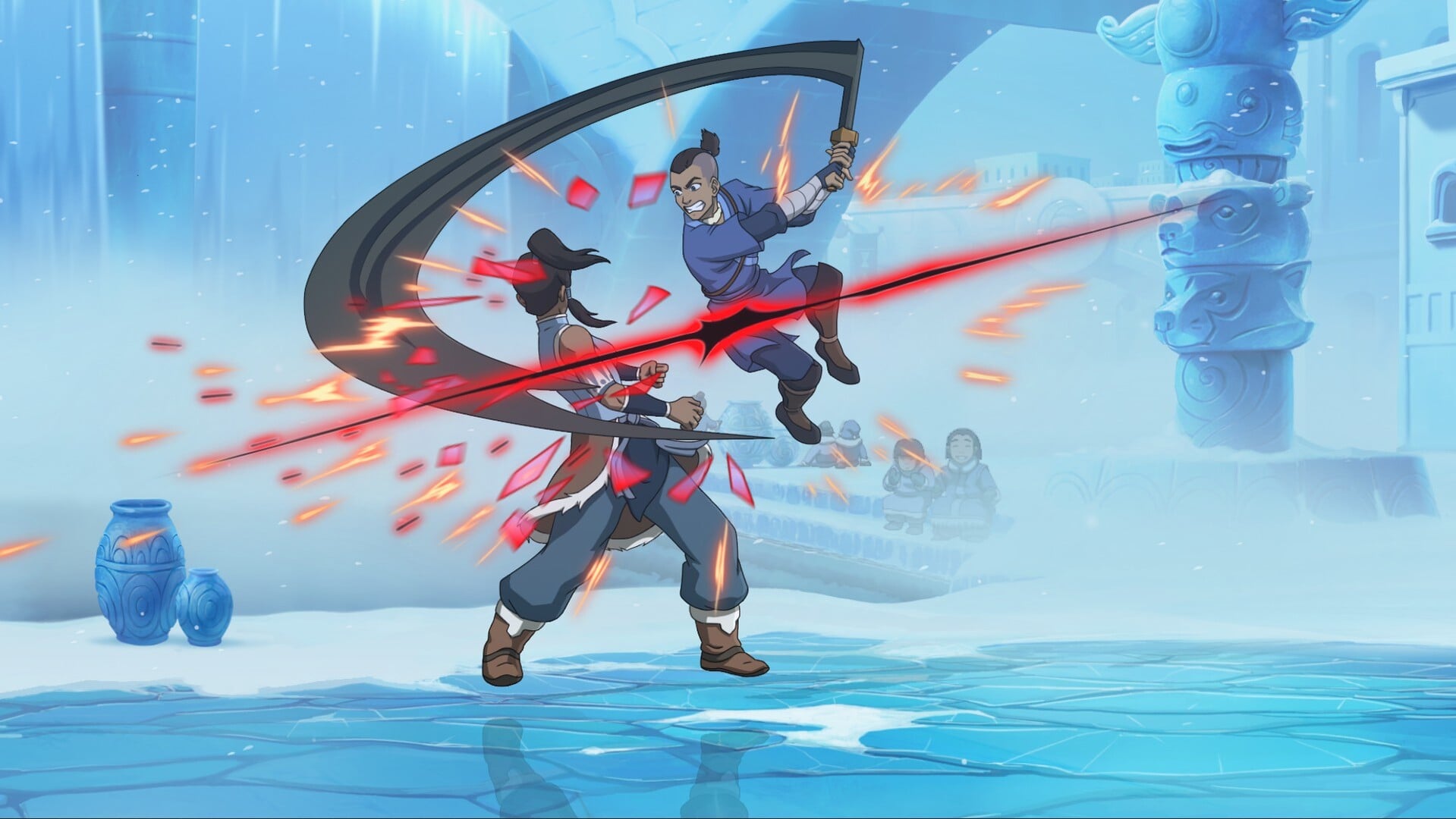
- Pacing and impact feedback: Underpowered. Hit-stop, sound design, camera work, and VFX aren’t consistently selling the elemental weight of blows.
- Match flow: Functional, but not yet evocative of the Avatar fantasy—fights feel more like generic arena skirmishes than bending duels ripped from the shows.
For a franchise built on distinct bending identities—air’s mobility and evasion, earth’s solidity and counter-punching, fire’s aggression, water’s adaptability—failing to fully embody that in kit design and visual/audio feedback is a missed opportunity.
In #gamedev terms, this is a fantasy-to-mechanics translation problem:
- Do earthbender tools actually encourage positional control and punishing overextensions?
- Does firebending reward relentless pressure and risk-taking?
- Are airbenders incentivized to play the long game with movement, whiff punishes, and evasive options?
If the answers are only partially yes, the license feels like a skin over a system, not the system’s beating heart.
License vs. Systems: The Avatar Burden
Licensed fighters carry unique constraints:
- Character expectations are non-negotiable. Fans know exactly how Aang, Korra, or Zuko should move and hit.
- Visual canon is rigid. VFX, stances, and animations must align with decades of established imagery.
- Audience composition skews casual. Many players are here for the IP, not the genre.
The upside is instant visibility; the downside is a much tighter margin for error on feel. A technically solid arena brawler that doesn’t feel like Avatar will always be judged more harshly than an original #indiegame fighter with the same mechanics.
To course-correct, future patches and balance passes should prioritize:
- Impact tuning – More dramatic hit-stop, better screen shake discipline, sharper elemental SFX.
- Identity exaggeration – Push bending archetypes further apart in terms of speed, range, and risk profiles.
- Camera and readability – Make elemental exchanges easier to parse at a glance; clarity feeds both competitive depth and casual enjoyment.
Strategic Outlook: Short-Term Turbulence, Long-Term Potential
The short-term picture for avatar legends: the fighting game is messy: a high-visibility platform delay, mixed sentiment on combat feel, and a feature set that’s robust but not yet fully capitalizing on the license.
The long-term outlook, however, isn’t doomed:
- The systems foundation appears stable, giving the team room to iterate on feedback, pacing, and FX without ripping up the floorboards.
- The mode suite supports retention—Story, Arcade, Training, and Versus can all be expanded or refined over time.
- The Avatar IP guarantees a steady influx of curious players, especially if communication around patches and platform updates is transparent and frequent.
For developers tracking this deployment, avatar legends: the fighting game is a live case study in how a strong mechanical base can still stumble if feel, fantasy, and platform readiness aren’t locked in formation.
If the team can turn this week’s turbulence into a roadmap—stabilizing Xbox/Switch launches, tightening combat feedback, and doubling down on bending identity—this fighter can still evolve from a competent arena brawler into a credible Avatar combat platform.
Sources and corrections
This archive entry does not have a verified article-source list. Images and video embeds alone are not evidence for every claim.
Found an error? Request a correction. Include the passage and a supporting source.
Your games, in one place
Keep up with Avatar Legends: The Fighting Game
Follow this game to collect its posts in your personal feed. Come back to see what you missed.