Automated archive
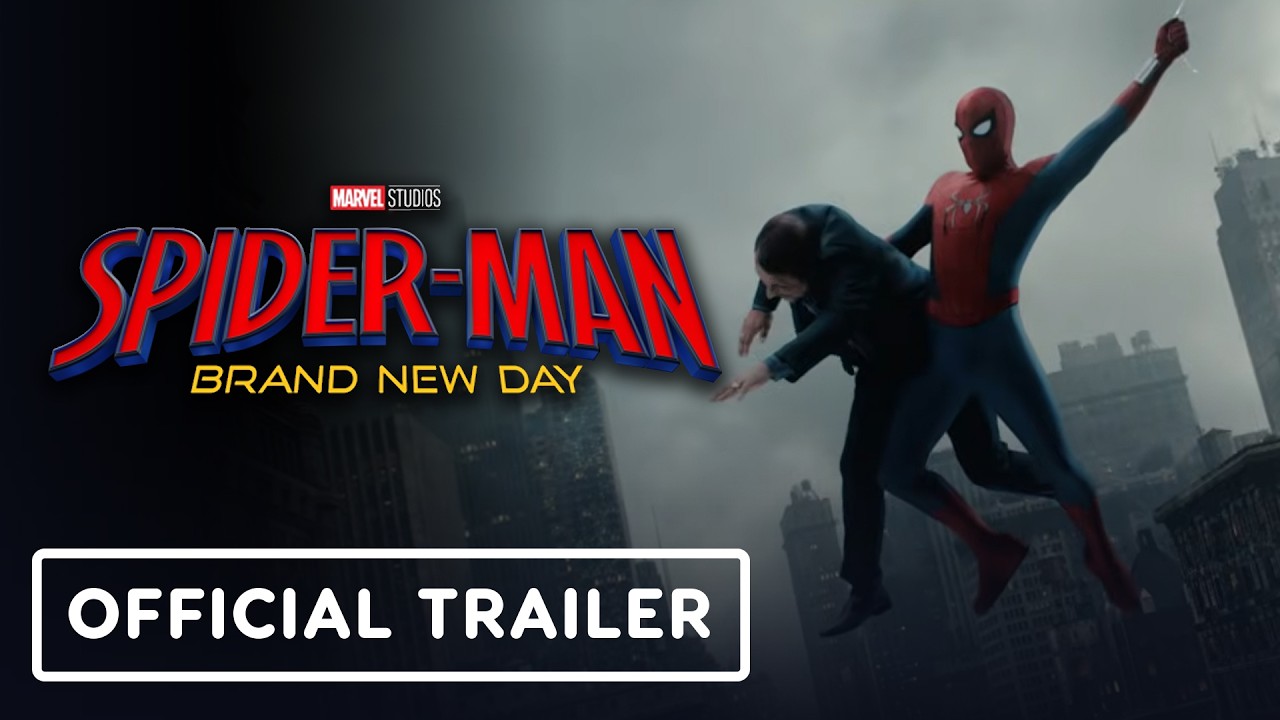
Spider-Man: Brand New Day Reboots the Web With Cinematic Systems Online
Spider-Man: Brand New Day is executing a full-spectrum reboot of its narrative and cinematic systems, turning one trailer into a sector-wide design case study. From Tom Holland’s reinserted Peter Parker to the classified Sadie Sink role, every frame is engineered for both spectacle and speculation.
AI-generated summary. This archive article does not have a current recorded source check. Check linked sources before relying on details. Editorial policy
Sector Intelligence Report: Week of March 19, 2026
Spider-Man: Brand New Day has flipped the table on the Spider-Verse status quo, deploying a full narrative reboot and cinematic systems overhaul in a single trailer drop. Over the last seven days, community analysts, #gamedev observers, and lore operatives have been dissecting every frame, with one throughline emerging: this isn’t just a new chapter, it’s a hard fork of the Spider-Man timeline.
Narrative Reboot Protocol: A Hard Reset on the Web
The core intel from the Brand New Day trailer is clear: Tom Holland’s Peter Parker has been tactically reinserted into a reconfigured continuity. This isn’t a soft retcon; it’s a ground-up recalibration of stakes, relationships, and urban conflict.
Key narrative vectors:
- Continuity Rewritten: The “Brand New Day” codename signals a clean operational slate. Past alliances and histories are now variables, not constants, allowing writers to remix emotional beats without being fully bound by prior canon.
- Zendaya and Jon Bernthal as Dual Pillars: Zendaya’s presence anchors the emotional axis, while Jon Bernthal injects ballistic volatility into the mix. From a design lens, this suggests missions that swing between intimate character drama and high-intensity urban warfare.
- Urban Combat Across a New York 2.0: The trailer’s cityscape—lighting, density, and verticality—reads like a fresh pass on traversal and encounter design. Expect more layered arenas and cinematic set-pieces tuned to showcase Spider-Man’s mobility under a rebooted rule set.
For #indiegame and AAA storytellers alike, Brand New Day functions as a case study in how to reboot without fully discarding audience investment: keep the faces, scramble the history, and re-weaponize expectation.
Cinematic Systems: Visual Uplink and Mission Choreography
Watch: Transmitting Gameplay footage from the field: Brand New Day trailer broadcast
Field reports from the latest trailer fragments highlight a clear shift toward Marvel-style episodic storytelling and spectacle-first mission design.
Observed systems in play:
High-Velocity Traversal as Cinematic Grammar
Traversal isn’t just locomotion here; it’s framing. Camera sweeps, whip-pans, and long takes track Spider-Man across skyscraper canyons, turning movement into visual punctuation. From a #gamedev perspective, this implies:
- Dynamic camera rails that respond to speed, altitude, and threat level.
- Set-piece traversal segments where the player (or viewer) is funneled through high-drama routes—bridges collapsing, drones swarming, traffic gridlock beneath.
- Cohesive visual language that treats webswinging as both mechanic and narrative delivery system, syncing dialogue and key story beats to traversal beats.
Combat Framing and Spectacle-First Encounters
The combat sequences are cut like boss trailers: tight coverage on impact, reactive environmental destruction, and strong silhouette work on enemies. This suggests:
- Cinematic combat choreography where readability and flair are prioritized over pure simulation.
- Heroic framing that keeps Spider-Man center-screen even in chaos, maintaining clarity for both storytelling and hypothetical player feedback.
- Mission scripting that leans on blockbuster pacing—quiet reconnaissance or emotional scenes immediately detonating into multi-phase brawls.
For developers watching from the sidelines, Brand New Day serves as a reminder that camera design is as much a storytelling tool as any line of dialogue.
Identity Unknown: The Sadie Sink Question
Watch: Transmitting Gameplay footage from the field: Sadie Sink role analysis feed
The highest-value unknown in the current intel package is Sadie Sink’s classified role. The community has treated this like a frame-perfect speedrun challenge—scrubbing through footage, isolating costume details, and parsing vocal cadence for clues.
Analysts are weighing several possibilities:
- Ally, Adversary, or Variable? Her limited but pointed presence suggests a character with narrative leverage—someone whose alignment can pivot the emotional arc or even the broader Spider-Verse meta.
- Costume and Color Language: Subtle wardrobe cues and framing hint at a character designed to echo or counterbalance Peter’s journey. In visual storytelling, color and silhouette often telegraph intent before the script does.
- Cross-Media Strategy: Casting Sink points to a long-term, multi-project play. This isn’t a throwaway cameo; it’s an investment in a character who can anchor or destabilize future arcs.
From a design and writing perspective, this is a masterclass in controlled ambiguity: show enough to spark theorycrafting, withhold enough to keep speculation engines running at full burn.
Takeaways for Developers and Sector Watchers
The last seven days of Brand New Day activity outline a clear playbook:
- Use a narrative reboot to free design from legacy constraints while retaining audience attachment to key faces.
- Treat camera systems and traversal as narrative weapons, not just technical features.
- Deploy strategic casting mysteries (like Sadie Sink’s role) to extend engagement far beyond a single trailer drop.
As Spider-Man: Brand New Day continues to roll out new intel, expect further refinement in how blockbuster franchises blend cinematic storytelling, systemic design, and meta-level continuity management—less a simple sequel, more a live recalibration of the Spider-Verse’s operating system.
Sources and corrections
This archive entry does not have a verified article-source list. Images and video embeds alone are not evidence for every claim.
Found an error? Request a correction. Include the passage and a supporting source.