Automated archive / PUBG: BATTLEGROUNDS
Sector Intelligence: Xeno Point, Prop Hunt Black Ops, and the $300K PGS 3 Killbox in PUBG: BATTLEGROUNDS
Xeno anomalies, rooftop gunfights, and $300K on the line—PUBG: BATTLEGROUNDS just turned a single week into a live design lab. From Xeno Point Mode to Prop Hunt and PGS 3, Krafton is aggressively stress‑testing what a mature battle royale can become.
AI-generated summary. This archive article does not have a current recorded source check. Check linked sources before relying on details. Editorial policy
Sector Overview: PUBG’s Live Ops Go Fully Experimental
PUBG: BATTLEGROUNDS just wrapped a brutal seven‑day stretch that looked less like a routine patch cycle and more like a live sandbox lab. Between the new Xeno Point Mode, Operation Unbound’s vertical warfare push, an Arcade: Prop Hunt deployment, and a $300,000 PGS 3 finals killbox, Krafton is stress‑testing how far the classic battle royale frame can bend without breaking.
This week’s signals show a clear pattern: compress the fight, raise the stakes, and feed both the casual queue and the esports circuit with modes that double as design experiments. For anyone watching #gamedev and live‑service iteration, this is a textbook case study in how to keep a mature shooter feeling volatile.
Xeno Point Mode: Containment as a Design Laboratory
Watch: Transmitting Gameplay footage from the field: Xeno Point Mode Teaser
The biggest anomaly on the radar is Xeno Point Mode, a containment‑style experience that warps PUBG’s pacing and geometry. The official teaser and 12‑minute field test footage highlight three deliberate design pivots:
1. Extreme Verticality and Sightline Compression
Inside Xeno Point, vertical layers and alien architecture turn every push into a 3D problem. Long‑range dominance—the traditional comfort zone in PUBG: BATTLEGROUNDS—is intentionally undermined. Squads are forced into stacked angles, catwalks, and elevated platforms where information is partial and sightlines are constantly interrupted.
From a #gamedev perspective, this is PUBG prototyping a tighter, almost arena‑shooter grammar inside its own ecosystem. It’s a live A/B test: how far can you compress engagement ranges before it stops feeling like PUBG and starts feeling like a different game entirely?
2. Controlled Chaos, Not a Side Activity
The language around Xeno Point—“controlled experiment in chaos,” “not a casual skirmish”—matters. This isn’t a throwaway LTM; it’s a deliberate stress test of new combat flows, visuals, and traversal rules. Expect data collection on:
- Heatmaps of high‑traffic choke points
- Time‑to‑engage in multi‑level interiors
- Player survival curves when flanking is mostly vertical, not lateral
Those metrics will inform future map updates and possibly new permanent modes.
Operation Unbound: Vertical Warfare Hits the Core Ruleset

Running parallel to Xeno Point is Operation Unbound, which injects high‑mobility traversal and rooftop play into existing maps. Where Xeno Point is a sealed lab, Unbound is a systemic patch to the main sandbox.
For designers, the interesting part is how Unbound reframes risk/reward:
- Rooftop dominance vs. exposure: Elevated positions become power plays but also lightning rods for third‑party fire.
- Vehicle stunts as tactical tools: Stunt‑centric vehicle handling is no longer just for highlight reels; it’s a rapid repositioning vector.
- Ambush density: More vertical access points mean more angles to clear, slowing down overconfident pushes and rewarding disciplined entry work.
In #indiegame circles, you often see small teams iterate on a single mobility gimmick. Here, Krafton is grafting a similar experimental spirit onto a massive, legacy codebase—and doing it in public.
Arcade: Prop Hunt – Deception Ops as Skill Training
PUBG’s new Arcade: Prop Hunt protocol reads like pure comedy on the surface—chairs, cones, and refrigerators outplaying seasoned fraggers—but under the jokes is a smart training tool.
1. Two‑Phase Design With Rotating Roles
Six squads drop into Port or Palace and alternate between Hunters and Props. Hunters sweep with incomplete intel, while Props weaponize map knowledge and misdirection. Points flow from eliminations, survival time, and clean escapes across multiple rounds.
Design‑wise, this does three things:
- Forces players to internalize micro‑geometry: every crate stack, every blind corner.
- Trains tracking and sound‑based hunting without the distraction of blue zones.
- Builds intuition for “what looks wrong” in a space—skills that translate directly back to reading peeks and off‑angles in standard battle royale.
2. Limited Systems, Targeted Learning
The mode intentionally disables certain minimap and spectator behaviors and ships without replay support. That’s a clear signal: this is a focused, time‑limited black‑ops drill, not a fully supported ranked pillar. Expect it to return in cycles as a way to sharpen perception and deception fundamentals.
Esports Front: PGS 3 Survival Stage and Circuit Finals
While the labs run in public matchmaking, the competitive sector is in full burn.
- PGS 3 Survival Stage (April 2): Bottom 16 squads by combined PGS Points drop into a five‑match gauntlet. Only the top 8 advance; the rest are wiped from Circuit 1. It’s a brutal filter that rewards consistency over miracle clutches.
- PGS 3 Circuit Finals (April 3–5): The 8 Survival survivors join the 8 highest‑ranked PGS teams for a 15‑match, three‑day barrage. Prize pool is tripled to $300,000, and PGS Points are doubled. Every rotation is a qualification‑defining decision.
The watch‑time reward structure (PGS 3 Spray and Emblem drops) turns the broadcast into a progression track, further knitting esports into the everyday player loop. From a development update angle, this is live‑ops as retention design: tuning financial stakes, cosmetic rewards, and narrative (first Circuit Champion of 2026) into a single funnel.
Side Ops: Prop Hunt Showdown and Anti‑Cheat Sanitation
Two more signals round out the week:
- Prop Hunt Showdown World Champion event: Pro players like TGLTN and Inonix are thrown into Prop Hunt, stripping them of traditional mechanical advantages and spotlighting adaptability, creativity, and social deception. It’s esports as format experimentation—and a low‑risk venue for testing alternative rule sets with high‑visibility talent.
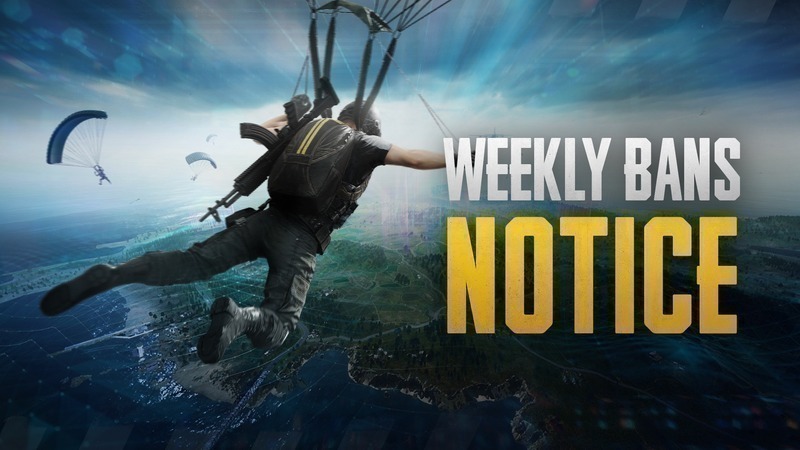
- Weekly Anti‑Cheat Ban Wave (03/23–03/29): Another scheduled purge of illicit accounts underscores a constant arms race. The messaging frames bans as iterative—cheat patterns adapt, countermeasures deploy in parallel. For long‑term health, this cadence is as critical a development update as any new mode.
Anniversary Protocol: Community Feedback as Design Telemetry
The 9th anniversary “Continuous Combat Party Operation” closes out this cycle with a simple but sharp design move: players who drop into matches between April 2–5 and debrief in the Steam news comments (sharing favorite anniversary elements and platform) enter a 1,000 G‑Coin giveaway.
This isn’t just celebration; it’s structured telemetry. Krafton is turning anecdotal feedback on map rotation, limited‑time features, and events like the Rondo chase for Chicken Man into tagged, analyzable data. For anyone watching how live‑service shooters evolve, this is the loop: experiment (Xeno Point, Unbound, Prop Hunt), observe (PGS 3, ban waves), then harvest community intel to decide what becomes permanent.
In other words: PUBG: BATTLEGROUNDS is aging, but the design playbook isn’t. The battlegrounds are still a laboratory.
Sources and corrections
This archive entry does not have a verified article-source list. Images and video embeds alone are not evidence for every claim.
Found an error? Request a correction. Include the passage and a supporting source.
Your games, in one place
Keep up with PUBG: BATTLEGROUNDS
Follow this game to collect its posts in your personal feed. Come back to see what you missed.
More to read about PUBG: BATTLEGROUNDS
- Source-checked briefPUBG Double Drops unlock daily rewards after 120 minutes
PUBG: BATTLEGROUNDS is offering twice the usual Twitch and Kick drops during its final regional-play weekend. Watching 120 minutes of a PEC or PAS stream unlocks that day’s rewards. The...
- Source-checked briefPUBG PEC Fall Finals plans double Drops Oct. 2–4
PUBG: BATTLEGROUNDS plans a double-Drops weekend during the second PEC: Fall Finals broadcast on Oct. 2–4. The extra rewards replace Drops that were delayed from the prior Playoffs broadcasts...
- Source-checked briefPAS2 Finals offer broadcast Drops and PGC points
The announcement says PAS2 Finals broadcasts offer daily Drops for eligible viewers. The finals also award points toward qualification for PUBG Global Championship 2026. The champion is determined...