Automated archive / Pokémon Pokopia
Pokémon Pokopia Turns Life-Sim Comfort Into Tactical Combat Chess
Pokémon Pokopia is quietly rewriting the franchise playbook, fusing life-sim comfort with a late-game that plays like a tactical RTS. Beneath the cozy exterior lies a dense web of mood systems, traversal unlocks, and economic loops that gamedev teams should be dissecting in detail.
AI-generated summary. This archive article does not have a current recorded source check. Check linked sources before relying on details. Editorial policy
Sector Overview: Pokopia’s Signal Is Peaking, But Not Perfect
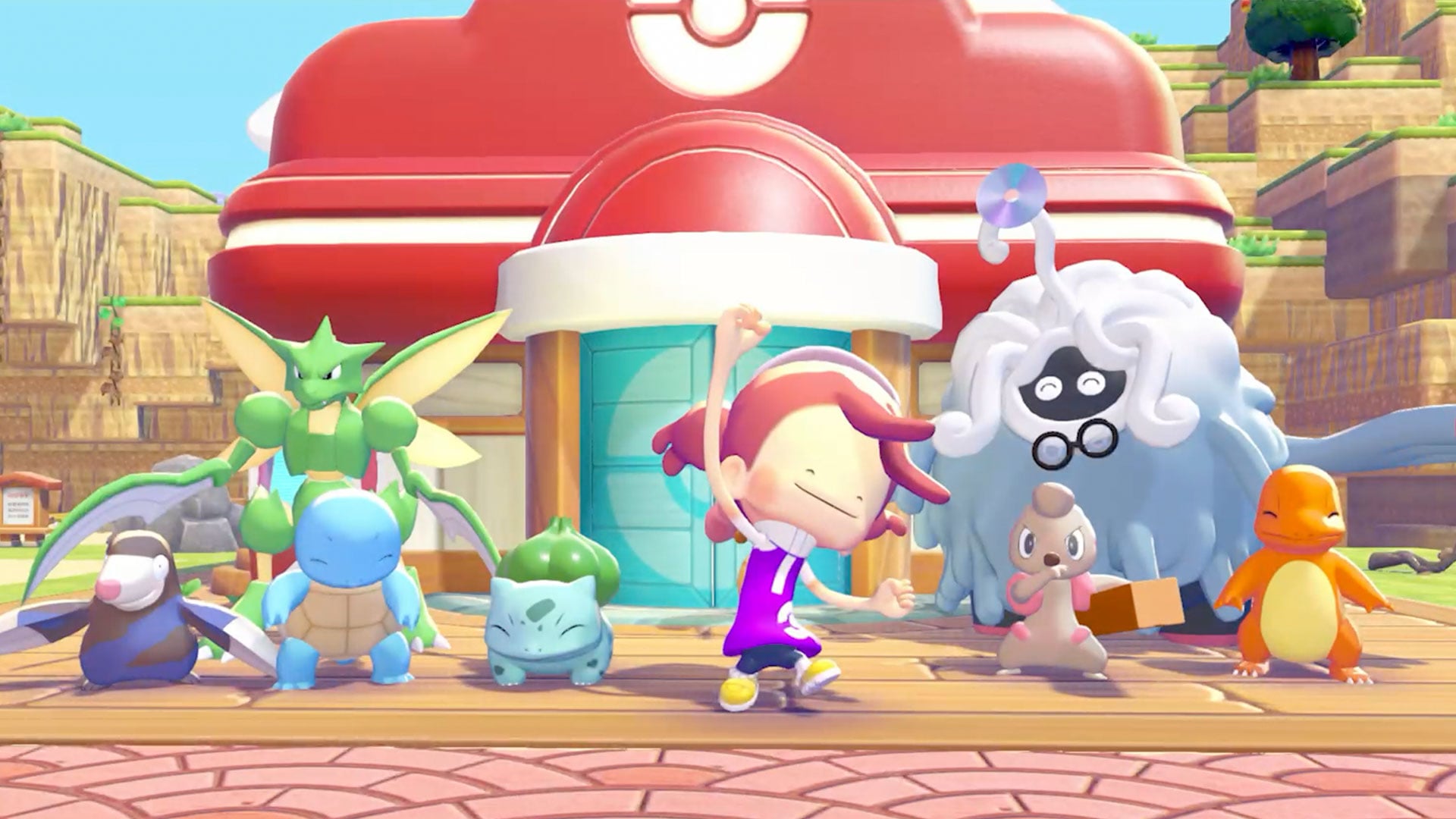
Pokémon Pokopia has entered its second major week in the wild with a paradoxical data profile: structurally uneven, but critically dominant. Our latest telemetry confirms that pokémon pokopia is currently the highest-rated Pokémon game ever on Metacritic, even as our own structural review flags pacing, UX clarity, and challenge curves as below Nintendo’s usual gold standard. For #gamedev teams watching from the sidelines, Pokopia is now a live case study in how fantasy fit and lifestyle design can overperform even when the underlying systems aren’t perfectly tuned.
From a design perspective, Pokopia is a mobile-first, session-based life-sim hybrid that behaves less like a traditional JRPG and more like a live-service sandbox where exploration, collection, and light management repeatedly fold into each other. The first 30 minutes are deliberately frictionless—low-intensity captures, guided exploration, and tutorial gating that screams broad-audience deployment. But our 60-hour field immersion shows that beneath that cozy surface, the late game turns into a procedural pocket warzone built around efficiency, route optimization, and micro-management.
For #indiegame developers, Pokopia’s early success is a loud signal: fantasy alignment and emotional feedback loops can carry a project a long way, even when the scaffolding creaks.
Core Systems: From Chill Onboarding to War-Room Endgame
Onboarding: Gentle Loops, Aggressive Retention
Our initial field penetration log confirms that Pokopia’s opening act is tuned for maximum retention, not mastery. Encounters are low risk, resource flows are generous, and the UI funnels players through a controlled behavioral funnel: explore → capture → light management → reward. It’s a classic mobile pattern, but wrapped in Pokémon iconography and a life-sim shell.
The hidden sophistication here is session shape. Short loops, clear wins, and visible progress markers keep the friction low while quietly teaching players how the economy and specialties system will matter later. This is textbook accessibility-first design, and it’s a blueprint #gamedev teams can lift wholesale.
Mid-to-Late Game: The RTS Brain Hiding in a Life-Sim Body
After 60 hours of controlled immersion, the façade of simplicity cracks. Endgame Pokopia behaves like a compact RTS: players are effectively running a mini war room, juggling creature rotations, cooldown windows, and map control under soft time pressure. The metagame is less about raw power and more about:
- Route optimization: chaining resource nodes, quests, and traversal unlocks (Fly, Surf) into efficient runs.
- Squad specialization: exploiting each Pokémon’s specialty to streamline café, farm, and mission chains.
- Cooldown and mood management: ensuring your grid of Pokémon stays productive rather than emotionally stalled.
This duality—comfort sim on the surface, optimization puzzle underneath—is a major contributor to Pokopia’s stickiness. It also explains why some players bounce off the structure: the game doesn’t always communicate when it expects you to shift from vibes to efficiency. That UX ambiguity is where our structural review dings the design.
Emotional Systems: Mood as a Primary Resource
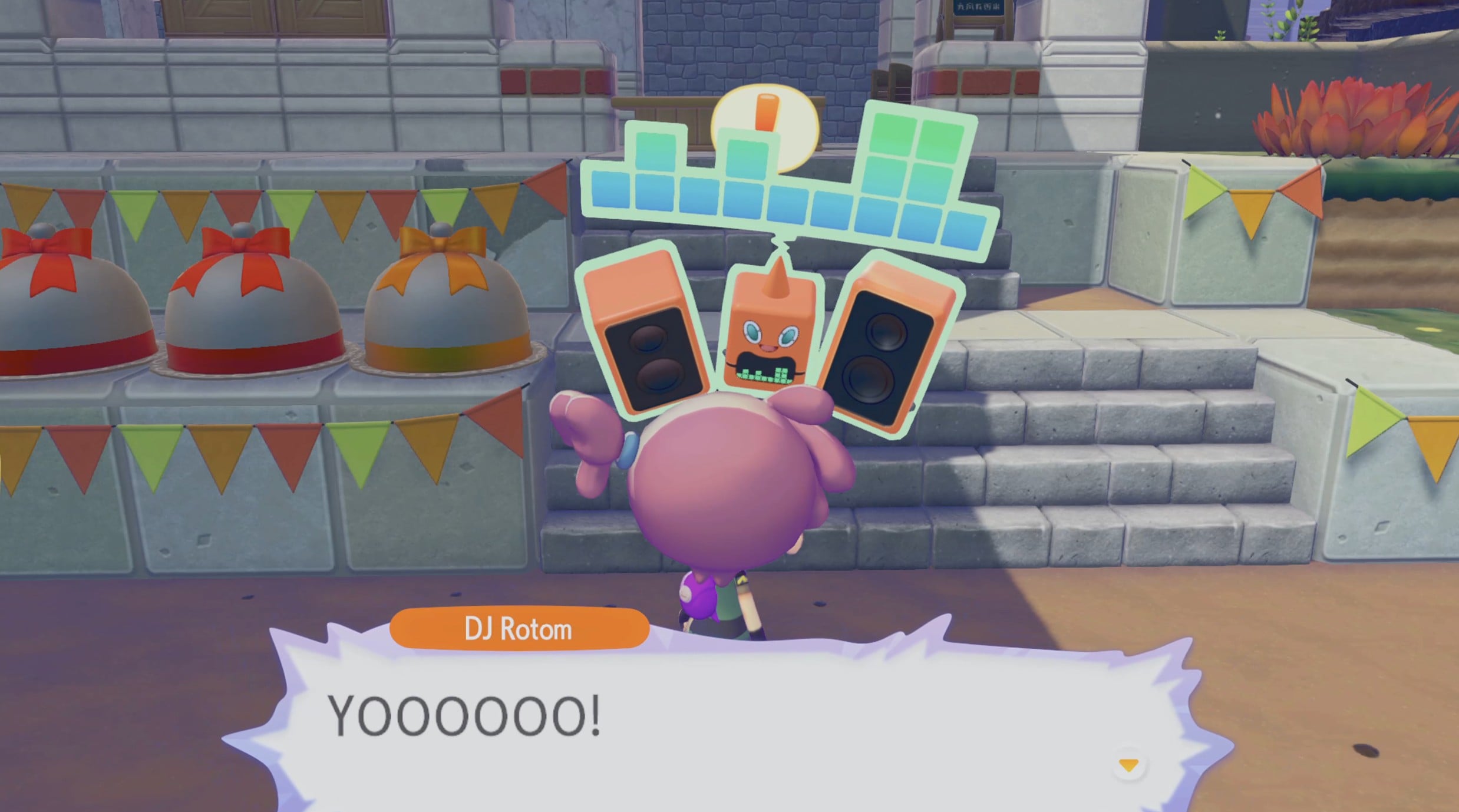
The mood system is one of Pokopia’s most revealing design choices. Instead of treating happiness as a passive stat, Pokopia turns mood into an active, manipulable resource that sits at the center of productivity.
Our mood-system uplink shows that:
- Players must chain interactions, serve specific dishes, and trigger event scenes to raise morale.
- Feedback icons act as micro-telemetry, broadcasting whether your actions are aligned or misaligned with a Pokémon’s emotional profile.
- Poor choices don’t just feel bad—they drain the room’s energy, tanking efficiency across your grid.
For #gamedev teams, this is a clean example of emotional state as gameplay economy. Mood isn’t window dressing; it’s a throughput modifier on your entire operation. The system effectively gamifies empathy: trainers are constantly tuning a live waveform of feelings, not just stats.
Resource & Economy Design: Fluff, Tomatoes, and the Invisible Grind
Under the hood, Pokopia’s economy is built around soft friction—nothing is brutally scarce, but everything requires intent. Our resource routing protocols highlight a few key nodes:
- Fluff behaves like a crafting reagent, dropping from early-game zones, creature-care loops, and environment upkeep. The design encourages players to treat routine management as profitable maintenance, not busywork.
- Tomatoes and other ingredients form the backbone of recipe and quest chains, pushing players into farming spots and vendor loops. This is classic life-sim structure, but carefully folded into the Pokémon fantasy.
- Mystery Gifts operate as timed injections of resources, cosmetics, and bonuses. They’re less about raw power and more about habit formation—a login cadence mechanic wearing a friendly face.
The economy is effective, but not immaculate. Our review flags pacing variance: some players will hit resource deserts if they don’t intuit the optimal routes, a UX gap that could be smoothed with clearer signposting or dynamic quest nudges.
Traversal & Exploration: Fly, Surf, and Time Manipulation
Traversal in Pokopia is more than convenience; it’s metagame leverage. Our intel on Dragonite and Lapras confirms that:
- Unlocking Fly via Dragonite transforms verticality and macro-routing, turning the island into a dense web of fast-travel options.
- Learning Surf from Lapras at Bleak Beach opens aquatic lanes, secret nodes, and new encounter strata.
- The ability to change the time of day on demand is a quiet masterstroke: it converts what would traditionally be a real-time gate into a player-driven layer switch, altering spawns, routes, and mission availability.
For #indiegame designers, Pokopia’s traversal model is a strong reference in how to reclaim friction: instead of forcing players to wait on real-world clocks or grind tedious backtracking, it hands them tools to compress time and space while still rewarding smart planning.
Social & Structural Layers: Co-Op, Fashion, and Missing Pokémon
Pokopia’s social and cosmetic systems are doing heavy lifting in the background:
- Multiplayer co-op lets friends form exploration squads, share resource runs, and synchronize progression. It’s less about hardcore co-op design and more about social stickiness—playing together makes the grind feel like a shared operation.
- The outfit index and avatar customization keep the player character visually evolving alongside their island. Cosmetics are tied to activities and progression, reinforcing the sense that style is a record of what you’ve done, not just what you’ve bought.
- Reports of missing Pokémon aren’t usually bugs; they’re systemic relocations driven by quests and interactions. This is clever narrative/system integration, but the communication gap can spike player anxiety—a reminder that stateful systems need clear affordances.
Structurally, Pokopia still doesn’t hit the clean readability of the best Nintendo work. Some loops are under-explained, and the difficulty curve can wobble. But the macro fantasy—running a living, breathing Pokopia grid—remains strong enough that players are willing to forgive the rough edges.
Legendary & Mythical Grid: Apex Entities as System Anchors
Watch: Transmitting Gameplay footage from the field: Official Pokémon Pokopia trailer
The complete mapping of Pokopia’s Legendary and Mythical roster is more than collection porn; it’s a strategic overlay on the entire island. These apex entities function as:
- Synergy anchors for specialized teams, particularly in endgame optimization runs.
- Progression milestones, marking phases where your grid graduates into a higher power bracket.
- Engagement spikes, driving players back into the world to chase specific encounter chains.
From a #gamedev lens, this is a reminder that rare content works best as a structural pillar, not just a drop-table flex. Each Legendary in Pokopia feels like a node that reconfigures how you think about routes, mood management, and squad composition.
Strategic Takeaways for Developers
Pokémon Pokopia’s current run offers several clear lessons for developers and live teams:
- Emotion is a system, not just a theme: Mood, vibes, and social feedback can be hard-coded into the economy to drive behavior.
- Traversal tools are design levers: Fly, Surf, and time-of-day control show how giving players macro-agency can replace artificial friction.
- Soft structure can still win: Even with uneven pacing and UX, Pokopia’s fantasy fit and lifestyle cadence have propelled it to the top of Metacritic.
For teams building the next #indiegame life-sim or monster-collector, Pokopia is a live ops dossier in how to blend comfort, optimization, and emotional design into a single, sticky loop—while also a cautionary note on the cost of under-communicated systems.
Sources and corrections
This archive entry does not have a verified article-source list. Images and video embeds alone are not evidence for every claim.
Found an error? Request a correction. Include the passage and a supporting source.
Your games, in one place
Keep up with Pokémon Pokopia
Follow this game to collect its posts in your personal feed. Come back to see what you missed.
More to read about Pokémon Pokopia
- Source-checked briefPumpkaboo event begins in Pokémon Pokopia
Pumpkaboo’s Sweet Surprises runs from October 17 at 5:00 a.m. to November 1 at 4:59 a.m. local time. Players can collect pumpkin candy for event furniture, befriend Pumpkaboo, and create a...