Automated archive / Overwatch
Sector Intelligence: Jeff Kaplan’s ‘STFU Protocol’ and the Cost of Wasted Outrage in the Overwatch Era
Jeff Kaplan just dropped a brutal two-part debrief on wasted outrage and corporate pressure, and the shockwaves are still rippling through the Overwatch orbit. This week’s Sector Intelligence Report breaks down how his ‘STFU protocol’ and layoff ultimatum reframe the stakes for live service teams and the players...
AI-generated summary. This archive article does not have a current recorded source check. Check linked sources before relying on details. Editorial policy

Overwatch Sector Intelligence Report – Week of March 19, 2026
The Overwatch orbit lit up this week not because of a balance patch or a new map, but because one of the game’s original architects decided to go weapons-free on modern discourse. Former game director Jeff Kaplan resurfaced with a pair of blunt transmissions: a raw post‑mortem on his exit from Blizzard, and a scorched‑earth take on players who rage about games they were never going to touch.
For a live service ecosystem still wrestling with trust, layoffs, and shifting monetization models, Kaplan’s comments read less like gossip and more like a field manual for how #gamedev conversations are breaking down.
Signal 1: The ‘STFU Protocol’ and Wasted Outrage
Kaplan’s most viral payload is simple and profane: if a new game is announced and you were never going to play it, “shut the f*** up, no one cares.” Strip away the shock value and you get a clean design pillar—outrage has an opportunity cost.
In practical terms, he’s calling out a pattern every live service team knows too well:
- Hype hijacking: Any reveal—MMO, fighter, mobile spin‑off—gets instantly flooded by players whose only contribution is, “This isn’t for me, therefore it shouldn’t exist.”
- QA and roadmap distortion: Devs and community teams burn cycles firefighting bad‑faith discourse instead of tuning balance, fixing netcode, or shipping content for the people actually playing.
For Overwatch, which lives and dies on seasonal cadence, that bandwidth loss is non‑trivial. Every hour diverted to arguing with non‑customers is an hour not spent on hit-scan tuning, support reworks, or map iteration. Kaplan’s position is effectively a production note: optimize communication for the active audience, not the loudest bystanders.
This has implications far beyond Blizzard. #indiegame teams, with microscopic comms budgets, are especially vulnerable. If your reveal trailer gets brigaded by people who were never your market, Kaplan’s advice is brutal but clarifying: mute the static, ship for the players who showed up in good faith.
Signal 2: The Breakpoint – Layoffs as a Design Failure
Kaplan also finally surfaced the “biggest f**k you moment” of his career: an internal ultimatum over staff redundancies that became the fracture point leading to his departure from Blizzard.
Read through a production lens, this is less about personal drama and more about structural risk in big-budget overwatch‑scale projects:
- Live ops vs. corporate efficiency: Live service games depend on continuity—designers who remember why a hero was nerfed three years ago, engineers who understand legacy pipeline hacks. Layoffs treat that institutional memory as expendable.
- Morale as a hidden resource: When leadership is forced to pick who gets cut, you don’t just lose headcount; you crater trust. For a team shipping complex systems on tight seasonal clocks, that’s equivalent to deleting velocity from the build.
Kaplan’s exit underscores a reality that many studios—AAA and #indiegame alike—are now living: you can’t separate culture from shipping. Layoffs aren’t just an HR event; they’re a design constraint that reshapes what your game can realistically become.
Sector Crossfire: Discourse, Design, and the Future Player Base
Watch: Transmitting Gameplay footage from the field: Overwatch-era design philosophy debrief
Kaplan’s commentary lands at a time when the Overwatch community is already anxious about identity: hero shooter, esport, casual arcade, or all of the above. His call to refocus on the games you actually play is a subtle push back toward craft over spectacle.
For developers, the tactical takeaways are clear:
- Calibrate who you’re talking to. Design dev diaries, patch notes, and AMAs for engaged players and curious onlookers, not for people farming quote‑tweets.
- Treat outrage like a bug, not a feature. Measure which conversations translate into healthier retention, better onboarding, or clearer communication—and which are just burning team morale.
- Document your red lines. Kaplan’s departure over layoffs is a reminder that every studio needs a clearly defined threshold where “efficiency” starts to compromise the game itself.
For players, Kaplan’s message is less about silencing criticism and more about signal discipline. Meaningful pushback on monetization, accessibility, or balance is vital. But mass‑produced negativity about a game you were never going to install doesn’t protect Overwatch or any other title; it just erodes the channels where real feedback might have landed.
Sector Echoes: Lessons for the Wider #gamedev Front
Overwatch may no longer be the unquestioned center of the hero-shooter universe, but its orbit still shapes expectations across the industry. Kaplan’s latest broadcasts function as a cautionary tale for any studio shipping a competitive or live service title:
- Protect focus. Whether you’re Blizzard or a three‑person #indiegame cell, your scarcest resources are attention and morale.
- Interrogate the cost of every public storm. If a controversy doesn’t move the needle on the build your real players touch, it’s probably not worth your sprint.
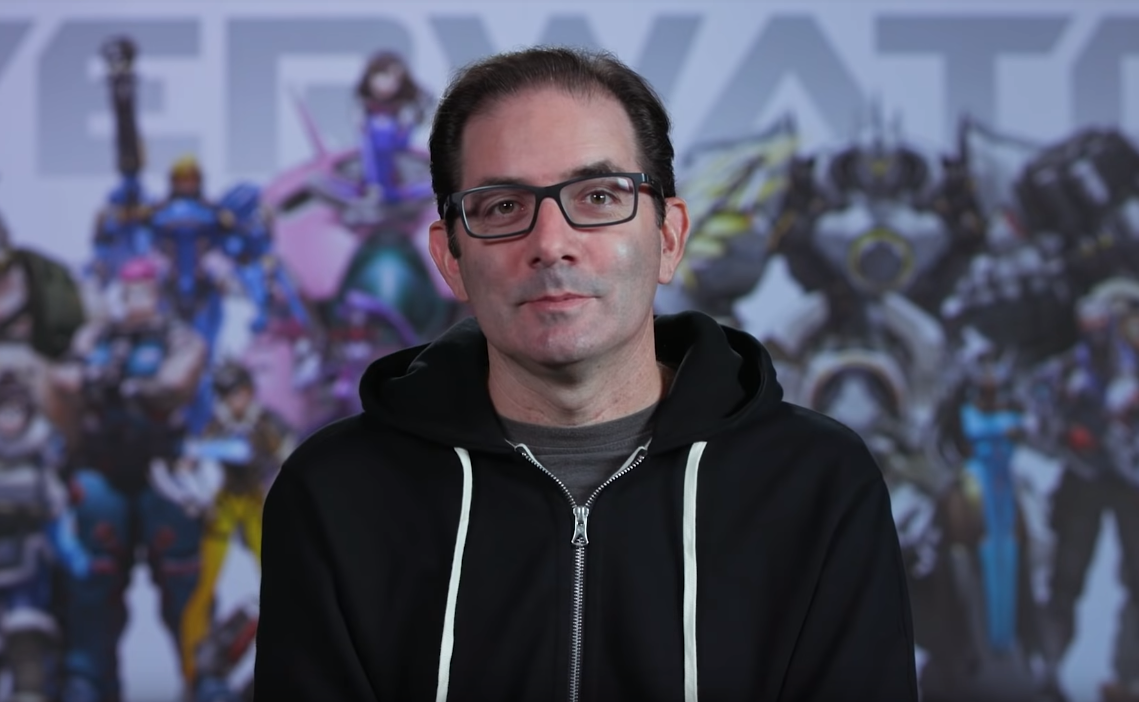
In the end, Kaplan’s “STFU protocol” is less about telling people to be quiet and more about demanding a higher standard for the conversations that actually shape games. For Overwatch and the broader overwatch‑adjacent ecosystem, the next era won’t be defined by who yells the loudest, but by who can still ship under fire.
Sources and corrections
This archive entry does not have a verified article-source list. Images and video embeds alone are not evidence for every claim.
Found an error? Request a correction. Include the passage and a supporting source.