Automated archive / Overwatch
Jeff Kaplan’s Nuclear Exit and the Overwatch Discourse War
Former Overwatch director Jeff Kaplan just detonated two major truths: why he really walked away from Blizzard, and why he thinks outrage over games you’ll never play is killing meaningful discourse. This week’s Sector Intelligence Report breaks down what his comments reveal about live service pressure, developer...
AI-generated summary. This archive article does not have a current recorded source check. Check linked sources before relying on details. Editorial policy

Sector Intelligence Report: Overwatch – Week of March 17, 2026
The Overwatch theater just lit up—not from a balance patch or a new hero reveal, but from a former commander dropping back‑to‑back orbital strikes on industry culture. This week’s signals cluster around Jeff Kaplan: why he really bailed on Blizzard, why he thinks outrage culture is wasting everyone’s time, and what it all means for live service #gamedev in 2026.
1. Kaplan’s “Biggest F**k You Moment” and the Cost of Live Ops
The most volatile packet in the feed is Kaplan finally detailing the internal rupture that pushed him out of Blizzard. According to the latest intel, the breaking point was an ultimatum over staff redundancies—corporate pressure to cut people from the Overwatch team.
For a live service like overwatch, that’s not just an HR note; it’s a systems failure. Live ops success hinges on:
- Stable, specialized teams: Balance, hero design, engine tech, anti‑cheat, and esports support are all different disciplines. Redundancies in a mature service game rarely mean “dead weight”—they usually mean losing institutional memory.
- Morale as a production resource: Kaplan’s description of that moment as the “biggest f**k you” in his career is telling. When leadership is forced to choose between protecting their team and protecting the roadmap, something breaks—and it’s often the people who built the thing.
- Compounding tech debt: Every senior dev cut from a long‑running project adds invisible risk. Fewer people who understand the original architecture means slower iteration, more bugs, and a higher chance that ambitious features quietly die.
For developers watching from the outside—AAA or #indiegame—the lesson is harsh but clear: live service promises (content cadence, event pipelines, ranked overhauls) are only as real as the studio’s willingness to protect the humans maintaining them.
2. “Shut the F*** Up” and the War on Performative Outrage
Watch: Transmitting Gameplay footage from the field: Kaplan-era Overwatch in motion
Kaplan’s second major broadcast this week is a direct volley at what he sees as signal pollution in the reveal cycle: if you were never going to play a new game, your outrage over its announcement is, in his words, useless noise.
Under the profanity, there’s a pointed critique of modern discourse:
2.1. Bandwidth Misallocation
Developers and players are burning cycles on titles that exist purely as talking points. Kaplan’s argument: every time a reveal thread is hijacked by people who openly don’t care about the game, it:
- Distorts the perceived market response.
- Drowns out feedback from the actual target audience.
- Incentivizes safer, less interesting pitches that won’t trigger a backlash storm.
For live service teams like overwatch, this is non‑trivial. Early sentiment can directly influence:
- Budget approvals for post‑launch content.
- Willingness to greenlight riskier mechanics or experimental modes.
- How aggressively a studio pursues crossovers, monetization tweaks, or esports pushes.
2.2. The Discovery Problem for Smaller Teams
While Kaplan is speaking from a AAA vantage point, the collateral is especially rough for #indiegame developers. Outrage‑driven algorithms reward:
- Hot takes over hands‑on impressions.
- Quote‑tweet dunks over deep mechanical analysis.
That means smaller projects—especially those without a clean marketing hook—get buried under discourse about games many posters never intended to touch. In that sense, Kaplan’s call to “prioritize curiosity, mute the static” is a plea for a healthier discovery ecosystem.
3. Overwatch as Case Study: Shipping, Not Speculating
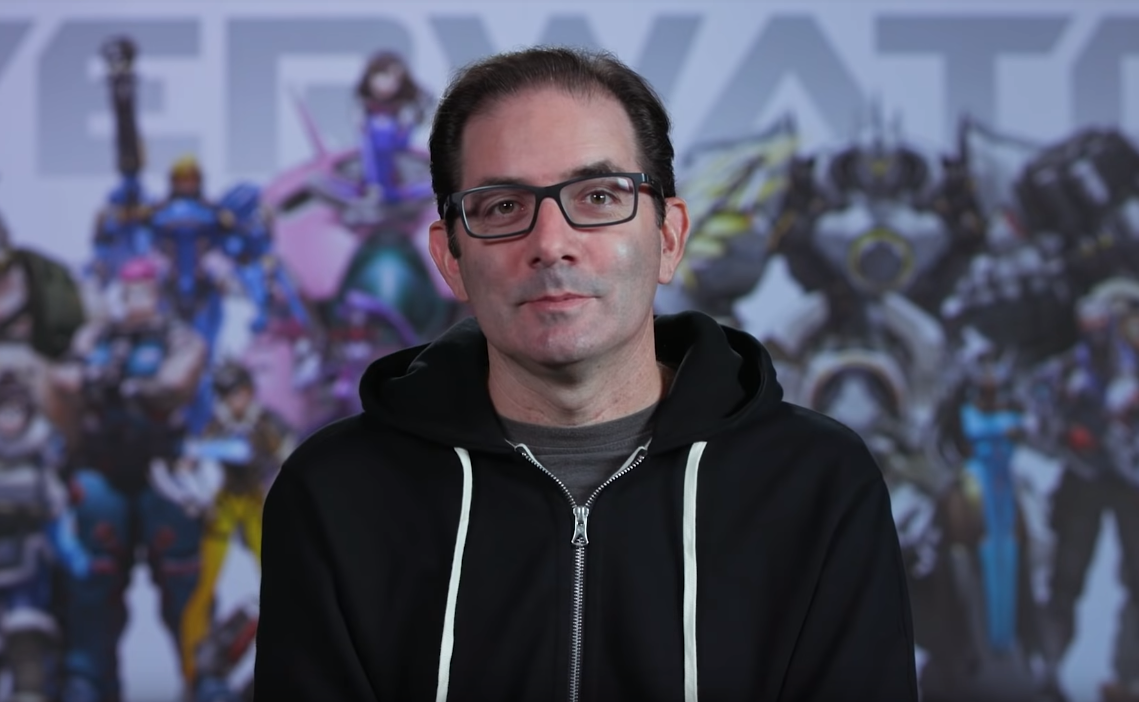
The subtext across all three activity bursts is a simple operational doctrine: judge games on the builds you can play, not the fantasies you project onto them. Overwatch’s own history is a perfect example:
- The early hero roster, map pool, and mode offerings looked modest on paper, yet the playable build converted skeptics instantly.
- Later controversies—role queue, hero pools, monetization shifts—were often decided not in trailers, but in how they actually felt in ranked.
From a #gamedev perspective, Kaplan’s stance is a reminder to:
- Ship playable slices early when possible, even if they’re rough, to redirect discourse from hypotheticals to hands‑on feedback.
- Frame communication around constraints—technical, budgetary, or staffing—so players understand why certain features don’t materialize.
- Treat community energy as a finite resource, just like dev hours. If you’re building for a specific audience, target them, listen to them, and don’t let broader outrage drown them out.
4. Strategic Takeaways for Devs and Players
For developers on any scale:
- Protect your team first; a live service is only as sustainable as your ability to retain experienced staff.
- Design your comms strategy to filter for the people who might actually play your game.
- Resist building purely to avoid backlash—chasing the loudest voices often leads to bland design.
For players and commentators in the overwatch ecosystem and beyond:
- If you’re not the target audience, consider just passing by instead of piling on.
- Focus your criticism where you have skin in the game—titles you play, systems you understand, communities you inhabit.
The Overwatch sector may not have dropped a new hero this week, but it did surface something arguably more important: a hard, unfiltered look at the human and cultural pressures shaping the games we actually get to play.
Sources and corrections
This archive entry does not have a verified article-source list. Images and video embeds alone are not evidence for every claim.
Found an error? Request a correction. Include the passage and a supporting source.