Automated archive / Overwatch
Overwatch Surges Back as Talon Rises and Anran Gets Reforged
Overwatch is entering a new strategic phase: players are flooding back as Talon takes center stage and Anran heads for a high-profile redesign shaped by community feedback. This week’s intel shows a live-service giant relearning how to align narrative, character design, and live-ops into one cohesive push.
AI-generated summary. This archive article does not have a current recorded source check. Check linked sources before relying on details. Editorial policy
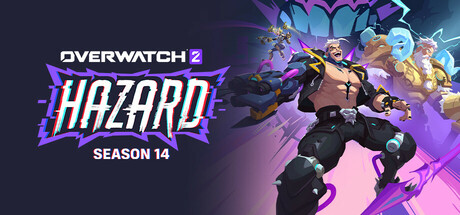
Weekly Sector Intel: Overwatch’s Shadow Turn and Hero Rebuild
Overwatch’s last seven days read like a design doc in motion: a sharp player resurgence, a pivot into Talon-focused storytelling, and a fast-tracked redesign for Anran after community and voice-actor feedback. For a live-service shooter that’s been fighting to reclaim mindshare, this is the kind of coordinated narrative and systems push that can actually move the needle.
From a #gamedev perspective, Blizzard is clearly treating Overwatch less like a static hero catalog and more like a living narrative platform—where faction identity, visual direction, and character iteration are tools to reignite engagement.
Player Renaissance: Overwatch Reclaims Its Throne
The intel ping about Overwatch experiencing a player resurgence—“thousands flocking back to the game”—isn’t just a feel-good headline. It signals that recent development update beats are finally coalescing into a coherent value proposition: new content cadence, stronger identity for competitive play, and a clearer marketing voice.
Key dynamics at play:
1. Content Cadence as Retention Engine
The return wave aligns with a familiar live-ops pattern: players respond not just to more content, but to sharper content. Overwatch’s recent updates have:
- Re-centered team-based glory: reinforcing role clarity, team synergies, and readability in fights.
- Tightened seasonal hooks: each season now comes with a more legible identity, which is crucial for returning players deciding if it’s worth reinstalling.
For #gamedev teams, Overwatch is a case study in how a mature service game can pivot away from “content drip fatigue” and back toward thematic, seasonally coherent releases.
2. Rediscovering the Core Fantasy
The resurgence also points to a regained focus on the original fantasy: tightly coordinated hero shooter combat, with strong silhouettes and instantly legible abilities. That matters for both veteran and lapsed players who need to recognize the game they once loved—before they’re willing to accept what’s new.
Talon Ascendant: Leaning Into the Dark Side
The intercepted transmission, “Join Talon: The Dark Side of Overwatch,” is more than a lore teaser—it’s a strategic reframing of the game’s narrative economy.
By inviting players to “step into the shadowy world of Talon,” Blizzard is doing three important things:
1. Factionalization as Engagement Loop
Pushing Talon to the foreground deepens factional identity, which is a proven engagement lever. Players don’t just pick heroes—they pick sides. That opens doors for:
- Themed battle passes and cosmetics aligned with Talon’s aesthetic.
- Event modes that frame matches as clandestine operations or power struggles.
- Narrative arcs that can be iterated season-over-season without rebooting the entire universe.
2. Dark Aesthetic as Contrast Tool
Talon’s darker, more ruthless vibe provides visual and tonal contrast to the core Overwatch roster. For art and narrative teams in #gamedev and #indiegame spaces, this is a reminder that contrast sells: heroic optimism hits harder when it’s framed against something truly menacing.
3. Monetization With Narrative Justification
By investing in Talon as a fully realized faction, Blizzard can justify deeper cosmetic lines, voice packs, and event rewards that feel like part of a coherent universe rather than random store drops.
Watch: Transmitting Gameplay footage from the field: Overwatch Official Narrative & Gameplay Pulse
Anran’s Redesign: Live Character, Live Feedback
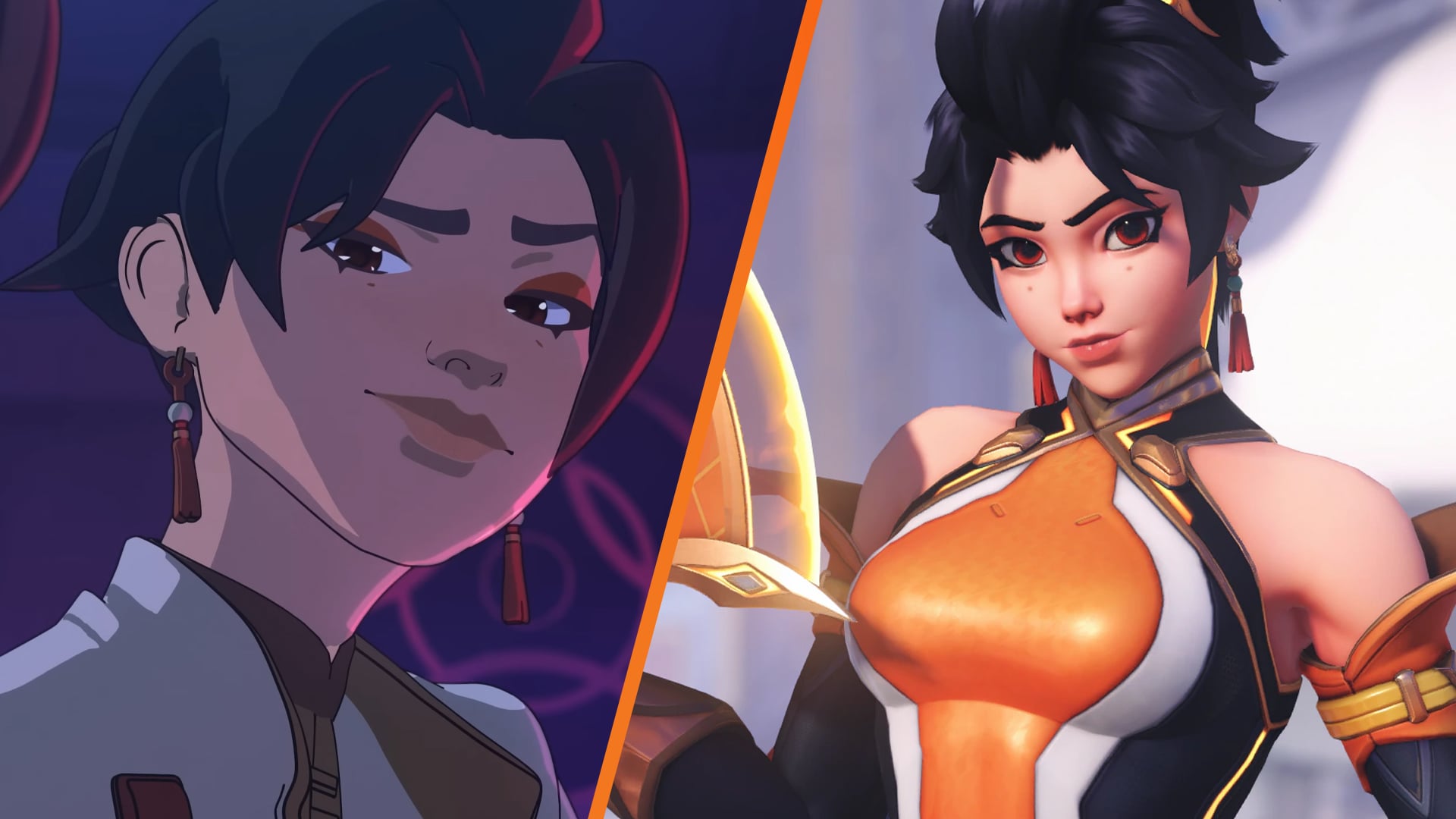
The most telling development update this week is the confirmed redesign of Anran, driven by both player and voice actor feedback. This is a textbook example of modern live-service character stewardship.
1. From Static Hero to Iterative Asset
Overwatch’s director signaling a “stunning redesign” that blends “youthful energy with mature depth” is essentially a public design brief. It acknowledges that Anran’s initial read—visually, thematically, or tonally—wasn’t fully landing with the community.
For developers, this is a high-profile demonstration of:
- Treating heroes as evolving assets rather than immutable canon.
- Using voice actor feedback as a qualitative check on character authenticity.
- Rapidly iterating on silhouette, costume language, and expression to better match narrative intent.
2. Trust and Transparency as Design Tools
Openly confirming a redesign is risky—it admits misalignment—but it also builds trust. Overwatch is signaling that it’s willing to retool even marquee characters when the community pushes back.
That has two major implications:
- It reframes Overwatch as a collaborative universe where players have a voice in shaping the roster.
- It sets a precedent: future heroes will be scrutinized not only for balance, but for cultural resonance, personality, and visual clarity.
3. Visual Cohesion With a Growing Roster
As the cast expands, maintaining a cohesive visual language becomes harder. Anran’s redesign is an opportunity to reassert style pillars: readable silhouettes, strong color blocking, and faction-aligned motifs. This is especially critical when the game is also elevating Talon’s presence—each hero must clearly signal their role in that conflict at a glance.
Strategic Outlook: Where Overwatch Goes Next
With players returning, Talon stepping into the spotlight, and Anran’s identity being reforged in public, Overwatch feels less like it’s coasting on legacy and more like it’s actively rewriting its playbook.
For studios watching from the sidelines—AAA and #indiegame alike—the Overwatch sector offers three key lessons:
- Narrative and live-ops must be synchronized. Factions, seasons, and events should tell one continuous story.
- Character design is never “done.” Community and performer feedback are now permanent parts of the pipeline.
- Identity wins over volume. A smaller number of high-impact, thematically unified updates will outperform scattershot content drops.
If this week’s signals hold, Overwatch’s current renaissance isn’t just a spike—it’s the start of a new strategic phase, one where the game’s brightest heroes are defined as sharply by the shadows they stand against.
Sources and corrections
This archive entry does not have a verified article-source list. Images and video embeds alone are not evidence for every claim.
Found an error? Request a correction. Include the passage and a supporting source.
Your games, in one place
Keep up with Overwatch
Follow this game to collect its posts in your personal feed. Come back to see what you missed.