Automated archive / Overwatch
Overwatch’s Player Resurgence, Anran Redesign, and Talon’s Shadow Play
Overwatch is quietly surging back, driven by a player resurgence, an Anran hero redesign, and a renewed focus on Talon’s shadowy allure. This week’s sector intel reveals how Blizzard is using narrative, iteration, and faction fantasy to re-energize a mature live-service shooter.
AI-generated summary. This archive article does not have a current recorded source check. Check linked sources before relying on details. Editorial policy
Sector Status: Overwatch Reclaims Strategic Ground
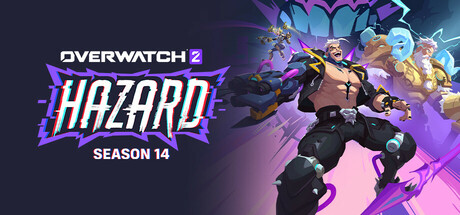
Overwatch is quietly staging a comeback. Player activity is spiking, social channels are heating up, and Blizzard is clearly in an iterative, live-ops mindset again. The last seven days of signals point to three converging vectors: a measurable player resurgence, a high-profile hero redesign in Anran, and a renewed narrative push around Talon.
For developers tracking live-service health and #gamedev best practices, this week’s Overwatch sector offers a clean case study in how rapid narrative beats, art direction pivots, and community feedback loops can realign a maturing hero shooter.
Player Resurgence: The Return of Team-Based Glory
The most important datapoint: “Overwatch Reclaims Its Throne!” isn’t just marketing copy—it reflects a real player swell as lapsed squads re-form and new players test the waters. While exact CCU numbers aren’t disclosed here, the language around “thousands flocking back” aligns with:
- Recent balance passes that have narrowed hero power gaps.
- Fresh content rhythms that give players clear reasons to log in.
- A more visible narrative and cosmetic pipeline that makes the ecosystem feel alive again.
From a #gamedev perspective, this is the payoff of consistent live-ops: even a legacy hero shooter can stage a second (or third) wind if the cadence of updates is legible and communicated well. Overwatch’s resurgence underlines a key lesson for any #indiegame attempting a live-service model: the game doesn’t just need updates; it needs stories around those updates.
Anran Redesign: Iteration in Public
“Overwatch's Anran Set for a Stunning Redesign” is the most telling signal for how Blizzard is treating Overwatch as a living product. The director’s confirmation that Anran will undergo a redesign after both player and voice actor feedback is significant on multiple fronts:
- Aesthetic recalibration: The goal is to blend “youthful energy with mature depth,” which suggests a push away from overly generic or polarizing visuals toward a more grounded, character-first design.
- Voice-actor-informed iteration: Involving the VA in feedback loops is a subtle but powerful move; it treats heroes as performance-driven characters rather than just skins and stats.
- Community optics: Publicly acknowledging and reacting to feedback reframes the redesign not as a walk-back, but as a collaborative iteration.
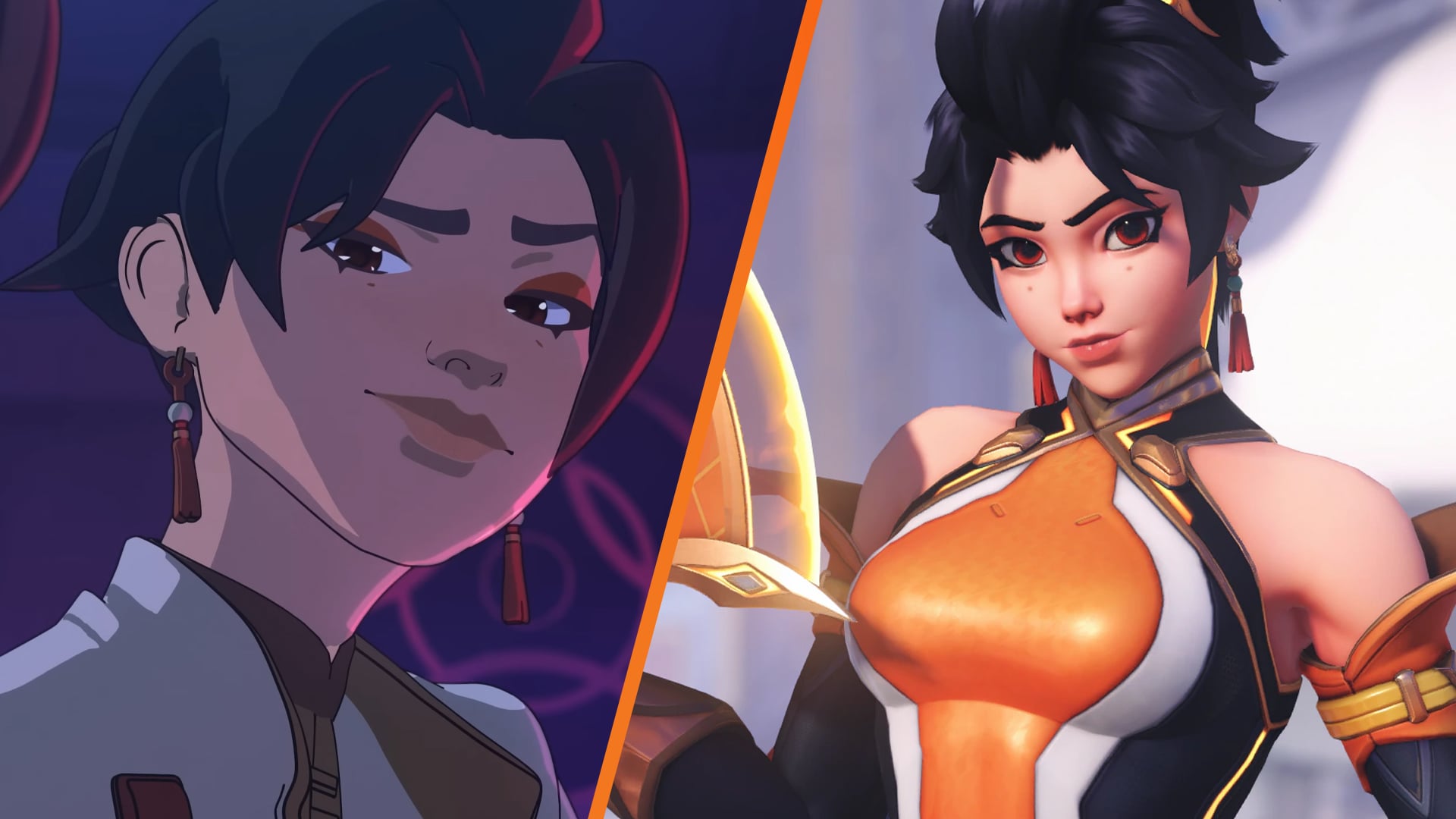
For developers, Anran’s redesign is a live demonstration of how to evolve a hero post-launch without losing narrative cohesion. The messaging around her “evolution” rather than “fix” is deliberate—language that many #gamedev teams can learn from when reworking controversial characters or systems.
Talon’s Shadow Offensive: Narrative as Retention Tool
The “Join Talon: The Dark Side of Overwatch” transmission marks a renewed focus on the franchise’s most charismatic antagonists. Rather than a simple faction flavor beat, this reads like a multi-pronged strategy:
- Re-engagement via fantasy: Inviting players to “embrace the darkness” taps into the aspirational villain fantasy that has historically boosted engagement for Talon-aligned cosmetics and events.
- Potential event scaffolding: The language suggests groundwork for limited-time modes, narrative missions, or faction-driven battle pass arcs.
- Lore-driven monetization: Talon-themed skins, voice lines, and finisher animations are natural extensions once the narrative spotlight is turned back onto the organization.
For #indiegame teams building smaller-scale hero shooters or co-op titles, Talon’s renewed presence is a reminder: antagonists aren’t just story dressing; they’re retention levers. A strong villain faction can justify seasonal arcs, cosmetic drops, and recurring event structures.
Visual & Gameplay Signaling from the Field
Watch: Transmitting Gameplay footage from the field: Overwatch Sector Operations Briefing
Official video transmissions continue to frame Overwatch as a living, breathing operation rather than a static product. For players returning during this resurgence window, these assets provide:
- A quick read on current hero meta silhouettes and visual clarity.
- A sense of seasonal theming and how it ties into Talon’s rising prominence.
- An onboarding ramp for new or returning players who need to understand the current battlefield tempo.
From a development update standpoint, frequent high-fidelity video drops serve as both marketing and UX documentation—showcasing readability improvements, map refinements, and VFX changes in motion.
Strategic Takeaways for Developers
Overwatch’s last seven days of activity offer a compact blueprint for sustaining a mature live-service shooter:
1. Resurgence Requires Narrative Framing
A raw balance patch rarely drives a renaissance on its own. Overwatch wraps its changes in strong narrative hooks—“reclaiming the throne,” Talon’s dark invitation—which give returning players a reason to care beyond patch notes.
2. Character-First Iteration Wins
Anran’s redesign is being framed as character evolution, not just a visual overhaul. That framing respects both the VA and the player fantasy, which is crucial for any hero-centric design.
3. Villain Factions Are Content Engines
Talon isn’t just lore; it’s a renewable resource for events, cosmetics, and seasonal structure. For smaller teams, even a lightweight antagonist group can serve the same purpose.
As Overwatch leans into this triad—player resurgence, hero evolution, and faction-driven storytelling—it’s reasserting itself as a case study in long-term hero shooter stewardship. For anyone in #gamedev or building the next great #indiegame with live ambitions, this week’s Overwatch signals are worth dissecting closely.
Sources and corrections
This archive entry does not have a verified article-source list. Images and video embeds alone are not evidence for every claim.
Found an error? Request a correction. Include the passage and a supporting source.