Automated archive / Overwatch
Overwatch Conquest Briefing: Steam Surge, Talon’s Rise, and the Anran Redesign Pivot
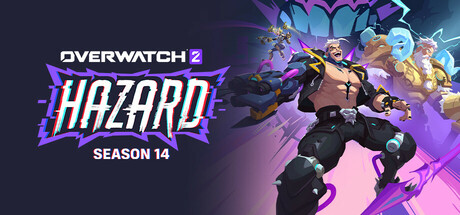
Overwatch’s Conquest season is hitting hard: a new Steam player peak, five fresh heroes, a darker Talon narrative push, and a rapid-fire redesign for Anran all landed in the same week. The result is a volatile but powerful recovery arc that every live-service dev should be watching closely.
AI-generated summary. This archive article does not have a current recorded source check. Check linked sources before relying on details. Editorial policy
Sector Intelligence Report: Overwatch – Week of Feb 11, 2026
Overwatch just logged one of its loudest weeks in years: a new Steam player peak, a five-hero season rollout, a lore push for Talon, and a fast-tracked redesign for newcomer Anran. For players, creators, and #gamedev watchers, this is a decisive inflection point for Blizzard’s hero shooter.
1. Steam Frontline: Overwatch Hits 165,651 Concurrent Players
Signal intercepted: Overwatch reached 165,651 concurrent players on Steam, a notable high-water mark for the platform. That’s happening despite a rough 27.26% user rating, which paints a split picture:
- Engagement is surging – lapsed players and curious new recruits are clearly flooding back in.
- Sentiment remains volatile – low ratings suggest friction around monetization, balance, or long-term trust.
From a competitive landscape view, this is a reminder: even with vocal backlash, a strong IP, recognizable heroes, and consistent updates can still pull massive concurrency. For #gamedev teams, Overwatch is a live case study in how player sentiment and player behavior can diverge sharply.
2. Season 1: Conquest – Five New Heroes, Meta Shockwave
The new competitive chapter, Season 1: Conquest, is the tactical core of this resurgence.
Blizzard has dropped five fresh heroes into the roster, a huge injection by any live-service standard. That scale of addition forces a meta reboot:
- New counters & synergies – Old comfort picks are destabilized; teams must re-learn matchups.
- High-tempo, ability-driven combat – Conquest doubles down on Overwatch’s identity as a timing and cooldown management brawler.
- Evolving objectives & seasonal structure – Rotating content and rewards push players to log in regularly rather than binge and churn.
For designers and #indiegame developers, Conquest is a reminder of a powerful—but risky—strategy: big, punctuated updates that justify a return, rather than minor, invisible tuning. It raises the bar for what “a new season” means in the hero shooter space.

3. Talon’s Shadow Offensive: “Reign of Talon” and Faction Fantasy
On the narrative front, Blizzard is pushing hard on the Talon fantasy:
- “Reign of Talon” dives deeper into the organization’s internal power plays and its conflict with Overwatch.
- A separate beat, “Join Talon: The Dark Side of Overwatch”, frames the faction as an aspirational identity for players.
This dual push accomplishes three things:
- Re-energizes lore engagement – Cinematic storytelling keeps the universe feeling alive between patches.
- Supports cosmetics and events – Strong faction theming is fuel for skins, event modes, and battle pass narratives.
- Reframes villains as playable fantasies – A modern trend across shooters: players don’t just fight the bad guys, they become them.
From a development update perspective, this is Blizzard tightening the loop between story, monetization, and gameplay—a loop many service games still struggle to synchronize.
4. Anran’s Redesign: Feedback Loop in Action
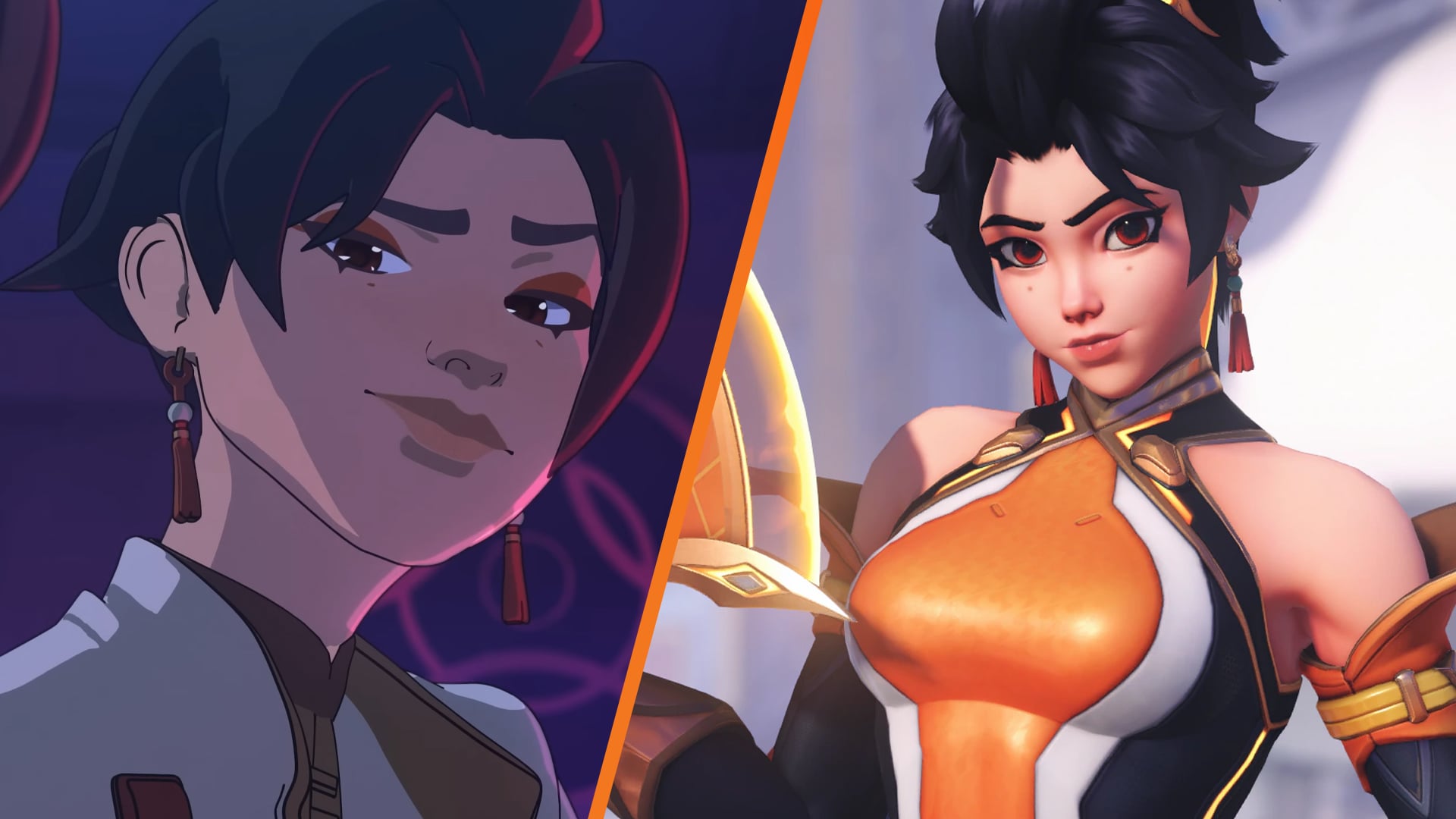
One of the most telling signals this week is the announcement that Anran will receive a redesign following player and voice actor feedback.
The director’s comments suggest a pivot toward a look that “blends youthful energy with mature depth.” That phrase is doing a lot of work:
- It acknowledges criticism that her initial design may have leaned too hard into one-note appeal.
- It signals a desire to align visual identity with character backstory and performance.
- It shows Blizzard is willing to iterate post-launch on a hero’s presentation, not just their numbers.
For #gamedev teams, especially smaller #indiegame studios, this is a high-profile example of responsive character design: shipping, listening, and then making visible, public-facing adjustments. It also underlines the importance of treating voice actors and community as collaborative stakeholders, not just content endpoints.
5. Strategic Outlook: A Volatile but Powerful Recovery Arc
Overwatch’s current state can be summarized as high energy, high risk:
- Player metrics are climbing – Steam concurrency and renewed chatter show the brand still has gravity.
- Reputation is still fragile – A 27.26% rating is a constant reminder that trust is not fully restored.
- Content cadence is aggressive – Five heroes, a major season framework, and cinematic expansions indicate Blizzard is betting on scale and spectacle.
For players, this is one of the most interesting times to re-enter the game: the meta is unstable, the story is moving, and the roster is in flux. For developers tracking Overwatch as a live-service case study, this week underscores a key lesson: you can’t quietly stabilize your way out of a trust deficit—you have to move boldly, visibly, and be ready to course-correct in public.
Overwatch’s Conquest era is exactly that: a public, high-stakes attempt to reclaim relevance in a crowded hero shooter battlefield.
Sources and corrections
This archive entry does not have a verified article-source list. Images and video embeds alone are not evidence for every claim.
Found an error? Request a correction. Include the passage and a supporting source.