Back to guides and news
Gaming
March 9, 2026
Sector Intelligence Report: Monster Hunter Stories 3 – Twisted Reflection Cracks the Mirror of the Mainline Hunt
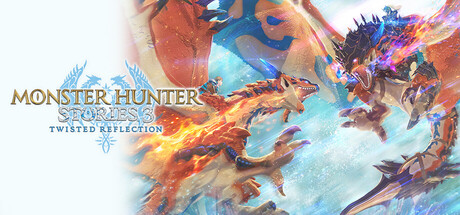
Official briefing header – Monster Hunter Stories 3: Twisted Reflection
Sector Intelligence Report // Week of March 9, 2026
monster hunter stories 3: twisted reflection has moved from speculative blip to fully armed deployment, and the last seven days of trailers and showcases have given us a clear look at Capcom’s tactical intent. This isn’t just a side-story; it’s a deliberate reframing of the Monster Hunter playbook into a turn-based, narrative-first combat lab that still respects the franchise’s core loop of reading patterns, exploiting weaknesses, and optimizing builds.
Where the mainline hunts lean on animation priority and execution, Twisted Reflection leans into systems literacy. Riders sync with monsties to form tactical kinship units, compressing the usual gear-check into party composition, skill synergies, and elemental coverage. Capcom’s messaging across the Capcom Spotlight 2026 and the launch trailers makes it clear: the game wants players thinking like designers—planning around multi-phase boss behavior, status layering, and turn order manipulation.
Fractured Worlds, Branching Data: Narrative as a System
The activity feed repeatedly flags a “fractured mirror-world narrative” and a central distortion event. That language matters. It suggests story structure as an actual gameplay surface, not just a backdrop. Branching paths, corrupted mirrors, and reality “cracks” imply:
- Meta-choices with mechanical fallout – route decisions that alter encounter tables, boss variants, or AI scripts.
- Stateful reflection – mirrored versions of locations or monsties with altered affinities and patterns, effectively doubling design mileage while rewarding scouting and experimentation.
- Recomposed progression – long-term campaign optimization where your earlier narrative decisions subtly rewire late-game fights and rewards.
For #gamedev and #indiegame teams watching from the sidelines, this is a case study in using story framing as a multiplier on existing combat systems instead of bolting on disconnected narrative.
Kora Protocol: Character as Tactical Instability Vector
The feed designates Kora as a “high-priority narrative asset” and, more interestingly, a “potential instability vector.” That phrasing telegraphs her role as more than a party member; she’s a design hinge. Her combat profile, emotional arc, and lineage ties to the distortion event position her as the point where narrative and mechanics intersect.
Key reads from the intel:
- Tactical ally – Expect Kora to anchor a specific archetype (likely hybrid support/DPS) whose kit interacts directly with the mirror/distortion mechanics—buffing kinship skills, altering elemental states, or manipulating turn order when facing corrupted monsties.
- Instability vector – Cutscene behavior and lineage hints suggest she may temporarily switch alignments, lose control, or unlock altered forms. From a systems standpoint, that’s a lever for mid-campaign difficulty spikes, temporary party reshuffles, or branching character builds.
- Meta-story mechanics – The directive to “monitor her interactions, lineage cues, and cutscene behavior” implies player agency over her trajectory. Expect multiple Kora outcomes that feed back into encounter design and possibly unlock unique monstie synergies.
For designers, Kora is a reminder that a single well-constructed character can carry not just emotional stakes but also mechanical variance across an entire campaign.
Combat Theater: Turn-Based Hunts with Mainline DNA
The launch trailers position Twisted Reflection as a “new turn-based hunting theater,” but the core Monster Hunter DNA is intact. The intel calls out:
- Synchronized skills & elemental combos – Kinship attacks become the new big-game finishers, but with more explicit buildcraft. Skill trees, monstie traits, and rider gear likely form a three-layer optimization stack.
- Multi-phase boss encounters – Expect pattern evolution mid-fight: shifting elemental affinities, new AoE patterns, and positional considerations reframed as target-priority puzzles rather than real-time spacing.
- Party synergy loops – Status chaining (sleep → big nuke, stun → burst window), break mechanics, and debuff timing will matter as much as raw stats. This is fertile ground for deep theorycrafting.
The “fracture fate itself” framing strongly hints at fights where players can choose how to break a boss’s script—perhaps by targeting specific limbs, exploiting mirrored weaknesses, or triggering reflection states that alter future encounters.
Capcom Spotlight 2026: Cross-Genre Positioning
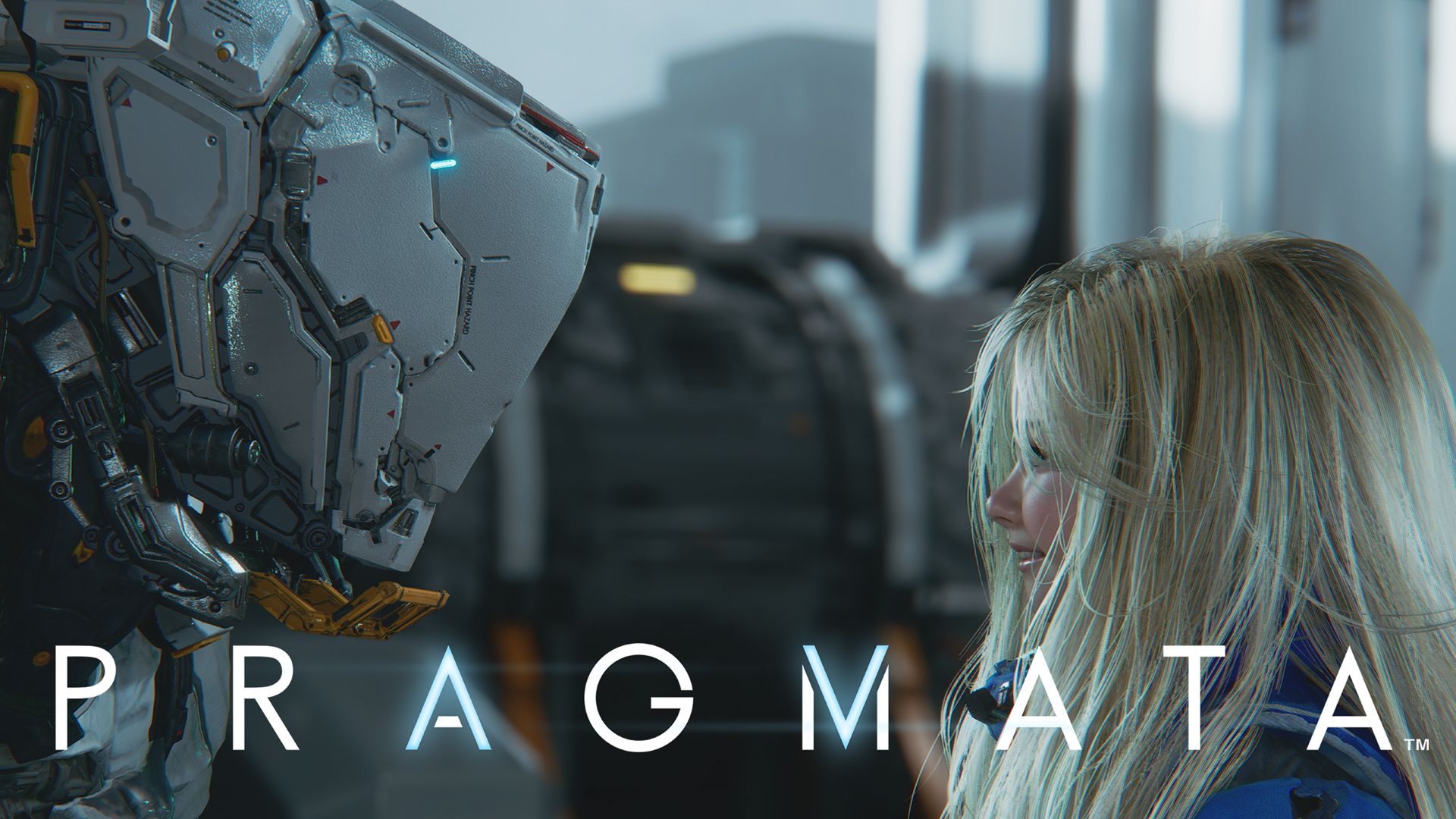
Capcom’s 2026 Spotlight didn’t just show more footage; it clarified the portfolio strategy. By showcasing Pragmata alongside monster hunter stories 3: twisted reflection, Capcom framed Twisted Reflection as part of a broader push into system-heavy, narrative-forward experiences.
The messaging emphasizes:
- Turn-based depth as a complementary pillar to the mainline action series, not a lower-budget offshoot.
- Long-term campaign tuning – language around “progression loops tuned for long-term optimization” speaks directly to players who enjoy buildcraft and meta-gaming.
- Cross-genre engagement – tying creature-based tactics to sci-fi anomaly containment (via Pragmata) signals a publisher comfortable with high-concept, mechanics-driven storytelling.
For #gamedev observers, this is a live example of how a major publisher diversifies within a flagship IP: same world, different verbs, new audience segment—without diluting the core brand.
Development Update: What the Intel Implies About the Build
While Capcom hasn’t issued a traditional development update in this window, the language in the trailers and official briefs is telling:
- Systems are feature-complete – the confidence in talking about multi-phase bosses, branching paths, and kinship combos suggests the combat and progression scaffolding is locked.
- Narrative tooling is mature – references to corrupted mirrors and meta-story mechanics imply robust internal tools for managing stateful story branches and mirrored world variants.
- Balancing phase is active – any game leaning this hard on party synergy and long-term optimization will live or die on tuning. The current emphasis on reading enemy patterns and precise builds indicates a final push to keep difficulty sharp but fair.
From an industry lens, monster hunter stories 3: twisted reflection is shaping up as one of Capcom’s more instructive case studies in turn-based encounter design, systemic storytelling, and IP reframing. It’s not just another spin-off; it’s a controlled experiment in how far you can bend a franchise’s identity without snapping it.
Keep following Monster Hunter Stories 3: Twisted Reflection
News, guides, posts, and game details in one place.
Open the game hub, then save it to build your personal Breach feed.
More images and video

About the game
Monster Hunter Stories 3: Twisted Reflection
Capcom Co., Ltd.
Monster Hunter Stories 3: Twisted Reflection redefines the genre with its unique turn-based combat system and profound Rider–Monstie bonds, diverging from the main series' traditional monster-hunting. In this immersive co-op extraction shooter, players embark on a deeply strategic journey utilizing Unreal Engine 5 to heighten visual intensity and real-time decisions. The free trial now available allows gamers to strategize their approach and ride into this atmospheric beast-hunting saga. Dive into the New World, where each choice and creature companionship impacts your legendary path.
Open game pageTopics
monster hunter stories 3
monster hunter stories 3: twisted reflection
Monster Hunter Stories 3 Kora
turn-based monster hunter
Capcom Spotlight 2026
monster hunter stories 3 combat system
monster hunter stories 3 branching narrative
monster hunter stories 3 development update
#gamedev
#indiegame
tactical RPG design
Capcom monster hunter spin-off