
Back to guides and news
Gaming
April 23, 2026
Sector Intelligence Report: Metro 2039 Rewrites the Rules of Underground Warfare
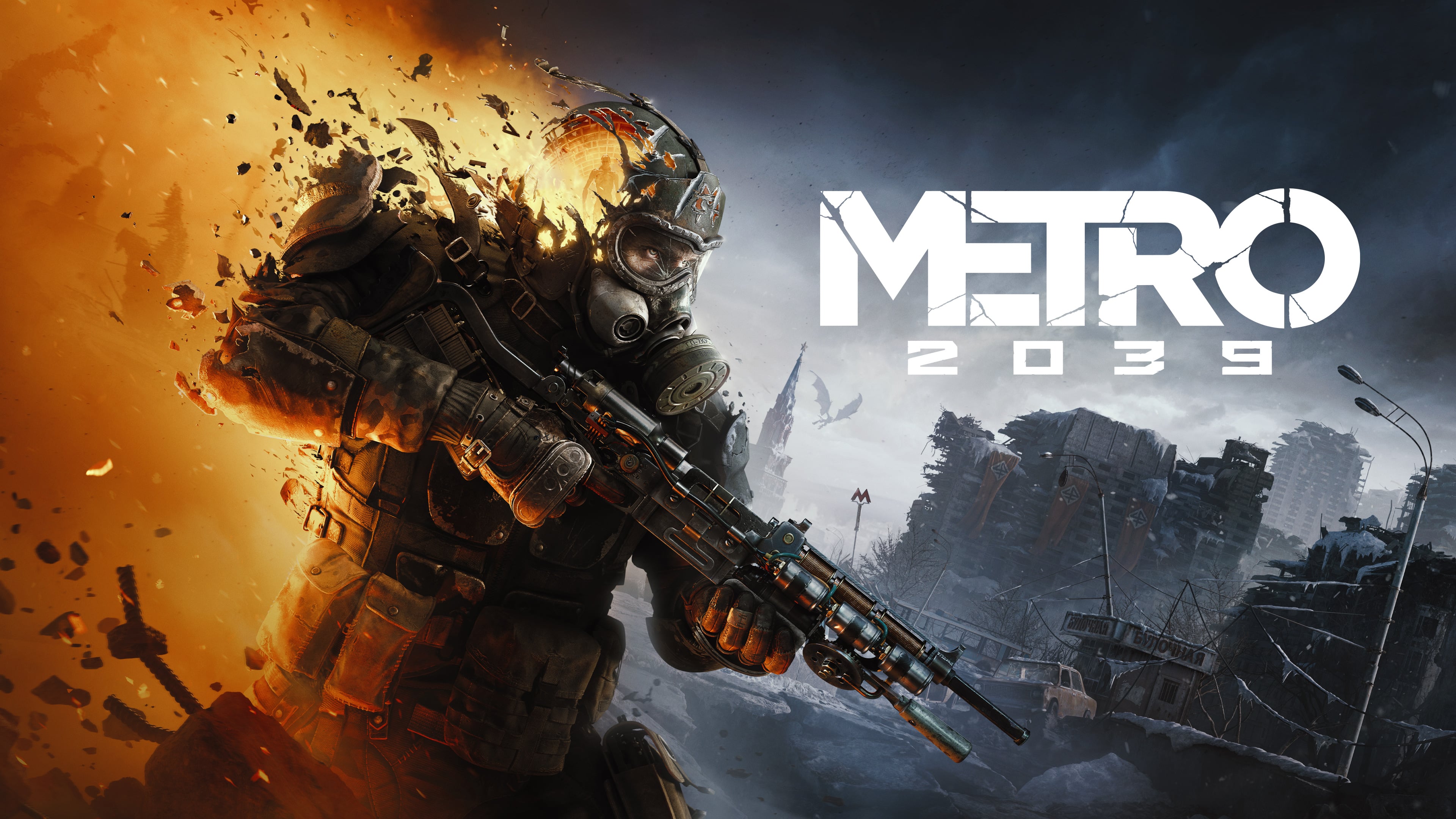
Primary key art uplink: Metro 2039 operational theater
Metro 2039: Weekly Sector Intelligence Report
Metro 2039 has gone from rumor to full tactical reality in a single week, with 4A Games detonating a coordinated blast of trailers, Xbox broadcasts, and breakdowns that reframe what this post‑nuclear series is trying to be. This isn’t just another sequel—it’s a ground‑up recalibration of subterranean warfare, survival systems, and narrative tone, explicitly reshaped by real‑world conflict.
From a game development perspective, this first wave of intel reads less like a marketing beat and more like a systems brief. The message is clear: metro 2039 wants to pressure player psychology harder than any prior entry, leveraging next‑gen rendering, environmental design, and tighter encounter choreography.
Strategic Overview: A New War-Torn Tunnel
The reveal confirms Metro 2039 as a post-apocalyptic FPS set six years after the original incursion, with Moscow’s frozen ruins and irradiated tunnels once again acting as primary theaters of operation. Early footage emphasizes:
- Claustrophobic tunnel warfare: Narrow, debris‑choked corridors, low visibility, and layered verticality.
- Harsher surface ops: Blizzards, toxic hotspots, and open‑air ambush zones that punish careless traversal.
- Escalated faction conflict: Insignias and gear variants suggest multiple human factions, each with distinct kit and tactical behavior.
This week’s activity feed repeatedly highlights “tighter corridor combat” and “story-driven survival,” signaling a deliberate pivot away from the more open‑ended pacing of Metro Exodus and back toward dense, pressure‑cooker level design.
Combat & Systems: Methodical Gunplay Under Atmospheric Pressure
The language across trailers and breakdowns converges on a single design priority: methodical gunplay tuned for maximum tension. Expect:
- Deliberate shooting over twitch reflexes, with recoil, reload timing, and ammo scarcity driving decision‑making.
- Environmental stealth—darkness, sound occlusion, and line‑of‑sight blockers are clearly authored as systemic tools, not just visual dressing.
- Survival‑grade resource management, with filters, medkits, and munitions framed as high‑value assets rather than background loot.
The “Forensic Systems Scan” breakdown calls out upgraded lighting pipelines and “hostile encounter choreography tuned for claustrophobic engagement.” That implies AI behavior and spawn logic are being authored around tight spaces and limited escape vectors—classic Metro, but now pushed through a next‑gen #gamedev lens.
From a development update standpoint, it’s notable how often “atmospheric rendering” and “audio immersion” are referenced. 4A’s engine has historically excelled at volumetric lighting and particulate density; Metro 2039 appears to double down on that, using fog, dust, and snow as both mood and mechanical visibility constraints.
Narrative Reforged by Real-World Conflict
The most significant intel drop isn’t visual—it’s philosophical. 4A Games has confirmed that Metro 2039 was “fundamentally changed” by Russia’s illegal war on Ukraine. The team rewrote the narrative and tactical direction after 2020, fusing survival horror with frontline experience and resistance themes.
That reframing matters. Metro has always been political in subtext; Metro 2039 looks prepared to bring that subtext closer to the surface:
- Harsher moral choices, with survival and resistance potentially in direct conflict.
- Factional storytelling that mirrors real-world occupation, collaboration, and insurgency dynamics.
- Player agency under pressure, where resource scarcity and ethical decisions intersect.
For #indiegame and AAA teams alike, this is a case study in how external geopolitical events can force a creative and mechanical pivot mid‑production—an uncomfortable but increasingly relevant reality in modern game development.
Environmental Storytelling: Tunnels as a Tactical UI
The IGN-style trailer breakdown referenced in the feed flags a dense layer of environmental storytelling: propaganda posters, scratched‑in warnings, faction graffiti, and improvised fortifications. In Metro 2039, the environment isn’t just a backdrop; it’s a tactical UI that communicates:
- Who controls a space (faction markings, gear caches, corpse layouts).
- How dangerous a route is (burned‑out lamps, damaged filters, blood trails).
- What resources might be worth the risk (weapon mods, rare ammo, med stations).
This suggests level design that encodes narrative, risk, and reward directly into visual language—an approach that should resonate with systems‑driven designers watching this project as a benchmark.
Platform Positioning & Xbox Broadcast Strategy
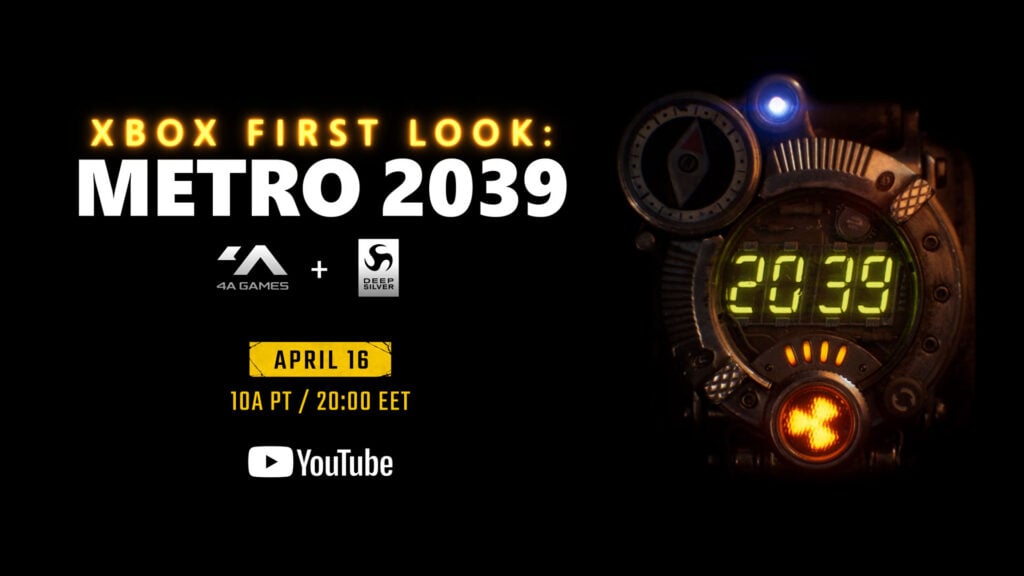
Microsoft’s decision to push Metro 2039 via Xbox First Look broadcasts frames the game as a pillar survival shooter for the current cycle. The broadcasts function as controlled leaks of tech stack and systems thinking:
- Early confirmation of next‑gen focus and performance targets.
- Visual emphasis on lighting, traversal, and combat readouts rather than pure cinematic flair.
- A clear attempt to re‑anchor lapsed Metro fans after the Exodus pivot to semi‑open world design.
For the broader #gamedev community, this is a textbook example of how to stage a multi‑beat reveal: teaser, full trailer, platform‑partner broadcast, then forensic breakdowns—each adding a layer of mechanical and narrative specificity.
Sector Outlook: What to Watch Next
As Metro 2039 moves toward deployment later this year, key signals to monitor include:
- Deeper stealth systems: How far does 4A push AI hearing, light detection, and patrol logic?
- Resource economy tuning: Is scarcity dynamic (reactive to player skill and aggression) or statically authored?
- Narrative branching: Do resistance choices meaningfully alter routes, factions, and end states, or primarily flavor the journey?
Metro 2039 is positioning itself as a high‑pressure survival shooter that’s both mechanically conservative (back to tunnels, back to scarcity) and thematically aggressive (directly shaped by modern war). For teams tracking the intersection of politics, survival design, and atmospheric rendering, this is one underground operation worth watching very closely.
Keep following Metro 2039
News, guides, posts, and game details in one place.
Open the game hub, then save it to build your personal Breach feed.
More images and video
About the game
Metro 2039
4A Games
Operation Metro 2039 drops players back into a hostile post-apocalyptic tunnel network where survival is a full-time calculation. Expect atmospheric, story-driven FPS scenarios with tight resource management, claustrophobic level design, and high-fidelity next-gen rendering. The mission profile emphasizes stealth, immersive worldbuilding, and tactical gunplay across irradiated ruins and underground strongholds. Optimal for agents seeking narrative-heavy shooters with hardcore survival elements and cinematic tension.
Open game pageTopics
metro 2039
Metro 2039 development update
Metro 2039 gameplay
Metro 2039 tunnels
Metro 2039 Xbox First Look
4A Games
post-apocalyptic FPS
survival shooter design
environmental storytelling
#gamedev
#indiegame