Automated archive / Metro 2039
Metro 2039 Rewrites the Rules of Subterranean Warfare
Metro 2039 is emerging from the tunnels as a fundamentally reworked survival shooter, reshaped by real‑world war and a return to claustrophobic level design. This week’s intel points to denser tunnels, harsher choices, and atmospheric systems built to crush player nerves as much as their health bars.
AI-generated summary. This archive article does not have a current recorded source check. Check linked sources before relying on details. Editorial policy
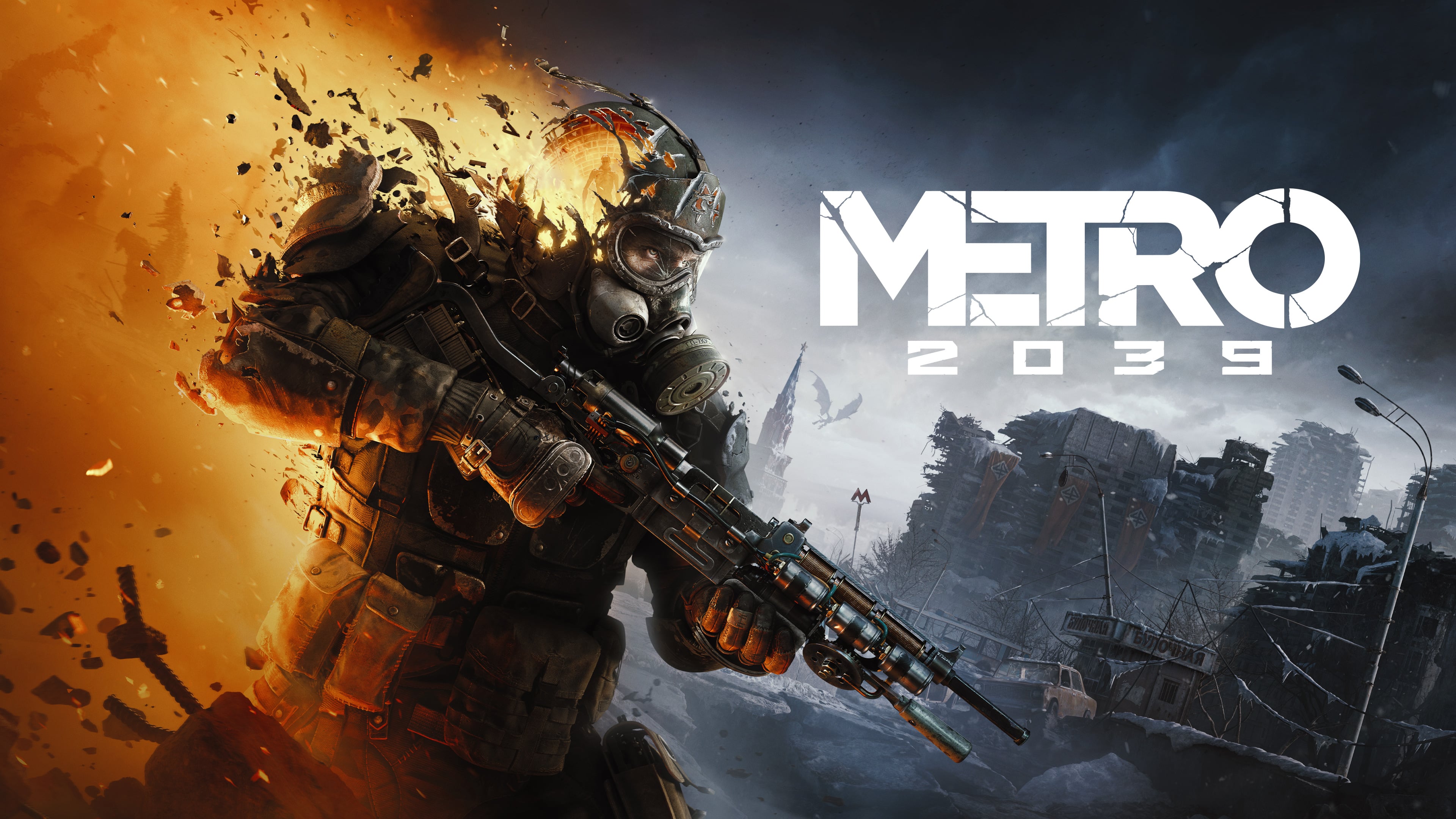
Sector Overview: A New Operation Window for Metro 2039
Metro 2039 has officially breached the surface, and this week’s signals confirm more than just another trip through irradiated tunnels. 4A Games is positioning this entry as a fundamental reconfiguration of its post‑nuclear shooter formula, forged directly in the shadow of Russia’s illegal war on Ukraine. This isn’t just a sequel; it’s a recalibrated doctrine for subterranean warfare, survival horror, and politically charged storytelling.
Across multiple broadcasts and trailers, Metro 2039 is framed as a return to claustrophobic tunnel combat after the broader, semi‑open excursions of Metro Exodus. The activity feed repeatedly flags tighter corridor combat, denser tunnels, and heavier atmospheric pressure as core pillars, suggesting a conscious pivot back to the series’ most iconic strengths.
Tactical Systems: Gunplay, Stealth, and Survival Under Pressure
The latest tactical uplinks describe a combat loop built around methodical gunplay, environmental stealth, and survival‑grade resource management. Rather than pure power fantasy, Metro 2039 appears to double down on:
Methodical Gunplay
- “Tactical Systems Uplink” language points to slower, higher‑stakes firefights, where every bullet matters.
- References to railguns and gear variants indicate a more granular weapons ecosystem, potentially with deeper modding or ammo‑type tradeoffs.
Environmental Stealth
- Multiple feeds emphasize “environmental stealth” and “layered environmental storytelling”, hinting that lighting, sound, and cover layout are being treated as systemic tools rather than just dressing.
- Expect encounter choreography tuned for claustrophobic engagement: chokepoints, overlapping patrol routes, and ambush‑friendly geometry inside the tunnels.
Survival Systems
- The briefings stress “survival‑grade resource management” and “heavier radiation management”, suggesting more active monitoring of filters, meds, and power.
- The wording around “harsh wastelands” and “high‑risk recon” on the surface implies that every topside sortie is a calculated risk, not a sightseeing break from the Metro.
Watch: Transmitting Gameplay footage from the field: Metro 2039 Official Reveal Trailer
Narrative Reorientation: War, Resistance, and Moral Attrition
One of the most significant intel packets this week is the confirmation that Metro 2039 has been “fundamentally changed” by Russia’s illegal war. 4A Games reportedly rewrote the entire narrative and tactical direction after 2020, infusing the game with:
- Real resistance themes: The feed explicitly calls out a Metro that “mirrors real resistance,” suggesting more grounded portrayals of occupation, insurgency, and propaganda.
- Harsher choices: Expect moral decisions that feel less abstract and more directly tied to real‑world analogues—alliances, betrayals, and who you choose to save in a collapsing state.
- Escalated human faction conflict: The forensic trailer scan notes faction insignias and increased human‑on‑human tension, indicating that ideological and territorial disputes in the tunnels will be as lethal as the mutants.
For #gamedev and #indiegame teams watching from the sidelines, this is a major case study in how real‑world conflict can force a narrative and systems reboot mid‑production—and how a studio can lean into that disruption instead of hiding from it.
Atmosphere and Tech Stack: Stress‑Testing Hardware and Players
The Xbox First Look and reveal trailers are framed as “controlled leaks” of Metro 2039’s next‑gen tech stack. Key takeaways from the activity feed:
- Next‑gen atmospheric rendering is front and center: volumetric fog, particulate‑heavy air, and dynamic lighting that sells the suffocating pressure of the tunnels.
- Upgraded lighting pipelines are called out in the forensic analysis, implying heavy use of bounce lighting and darkness as a mechanical constraint—players will likely be forced to choose between visibility and stealth.
- Audio as pressure: While not explicitly detailed, phrases like “maximum tension” and “heavier atmosphere” suggest a soundscape tuned to amplify paranoia—distant metal groans, Geiger spikes, muffled screams behind bulkheads.
Watch: Transmitting Gameplay footage from the field: Xbox First Look – METRO 2039 Broadcast
Design Direction: From Exodus Back to the Underground
The messaging around Metro 2039 consistently reinforces a return to the Metro’s core identity:
Denser, More Constrained Spaces
- “Denser tunnels”, “tighter narrative choke‑points”, and “tighter corridor combat” all point toward curated, high‑intensity spaces over wide‑open hubs.
- This should allow 4A to reclaim its mastery of pacing and player psychology—controlling sightlines, resource drops, and enemy timing to keep players perpetually on edge.
Player Psychology as a System
- The IGN‑style breakdown notes that the trailer is effectively a “systems brief on how the next Metro intends to pressure player psychology.”
- That framing suggests intentional fatigue design: long stretches of tension, scarce safe rooms, and encounters that force you to burn precious ammo or filters.
Six Years On: A New Timeline Anchor
- Metro 2039 is set six years after the original incursion, anchoring it firmly in the existing canon but with enough distance to justify new factions, tech, and ideological fractures in the tunnels.
Strategic Outlook: What Developers Should Be Watching
From a development‑focused lens, Metro 2039 is signaling several trends worth tracking:
- Narrative‑Systems Alignment: The real‑world war influence isn’t just a story beat; it’s shaping stealth, choice design, and encounter framing. This is a blueprint for aligning theme and mechanics.
- Atmosphere as Core Feature: Visual fidelity and audio aren’t treated as garnish but as primary levers for difficulty and emotional load.
- Broadcast Strategy: 4A and Deep Silver are using Xbox‑branded uplinks and tightly messaged trailers to drip‑feed feature‑complete concepts (tunnels, railguns, factions) without over‑exposing unfinished systems.
As more telemetry comes in, the key question for Metro 2039 will be whether this return to the underground can deliver a tighter, more psychologically punishing experience without sacrificing the systemic freedom fans tasted in Exodus.

Closing Signal
For now, Metro 2039 reads like a deliberately sharpened blade: denser tunnels, harsher choices, and survival systems tuned to keep players operating on the edge of panic. As this operation moves toward deployment later this year, expect further development updates that drill deeper into stealth AI, faction behavior, and how 4A is translating lived conflict into interactive systems.
Sources and corrections
This archive entry does not have a verified article-source list. Images and video embeds alone are not evidence for every claim.
Found an error? Request a correction. Include the passage and a supporting source.
Your games, in one place
Keep up with Metro 2039
Follow this game to collect its posts in your personal feed. Come back to see what you missed.