Automated archive / Metro 2039
Metro 2039 Rewrites the Underground War for a New Generation
Metro 2039’s reveal week wasn’t just a trailer drop—it was a full-spectrum systems brief on how 4A Games is rewriting its post-nuclear shooter for a world changed by real war. From denser tunnels to a reworked narrative, every new signal points to a harsher, more psychologically aggressive Metro.
AI-generated summary. This archive article does not have a current recorded source check. Check linked sources before relying on details. Editorial policy
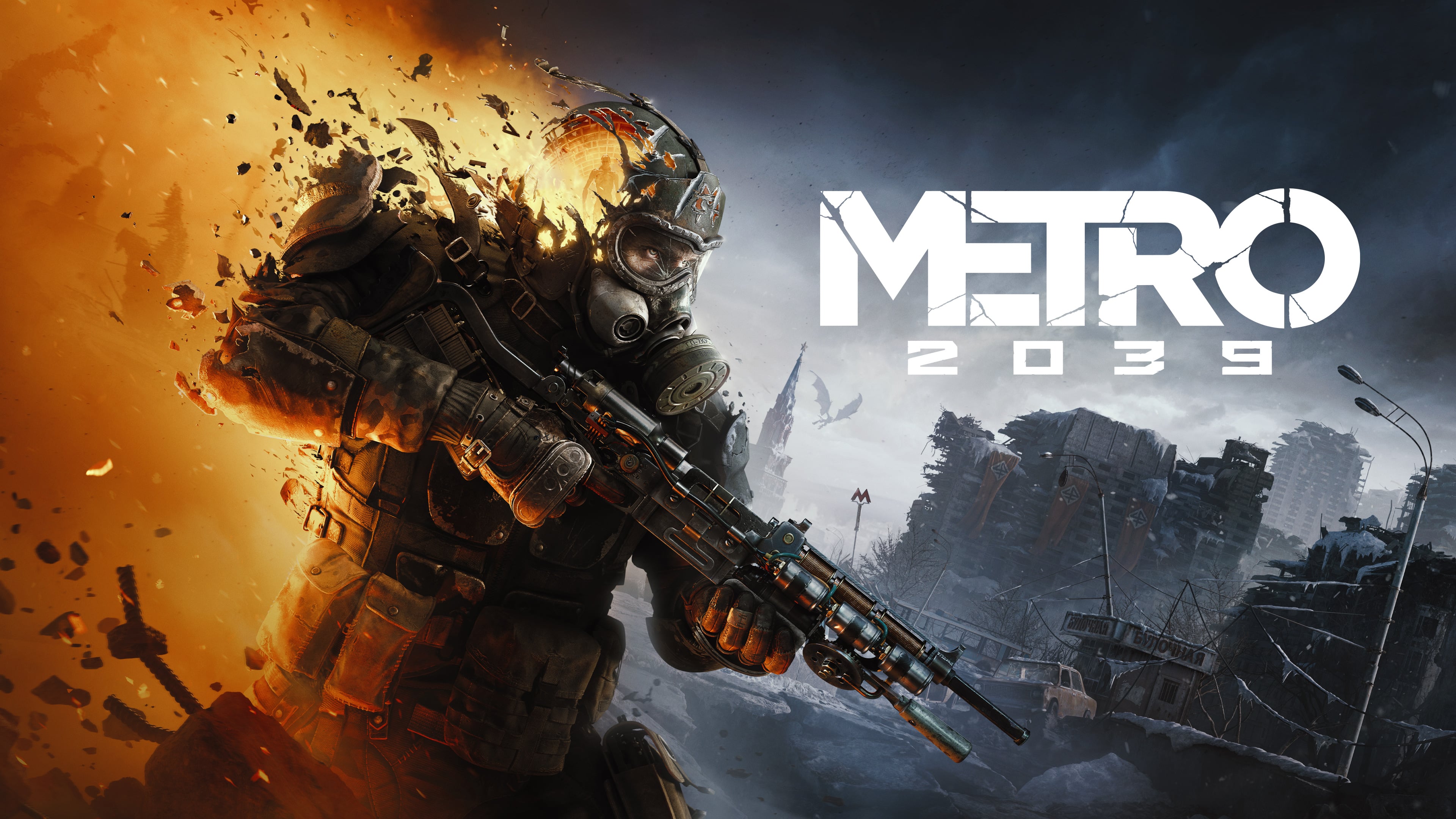
Sector Intelligence Report // Metro 2039
Metro 2039 has finally stepped out of the irradiated fog and into full sensor range. Over the last week, 4A Games and Deep Silver have executed a tightly choreographed reveal campaign across Xbox broadcasts and official trailers, signaling not just a sequel—but a systemic rearmament of the entire Metro playbook.
This isn’t a routine patrol. Every new transmission points to a shooter that’s been fundamentally re-shaped by real-world conflict, next-gen hardware, and a renewed focus on psychological pressure inside the tunnels.
Signal Sweep: What’s Been Confirmed This Week
A New Operation Window in Moscow’s Ruins
Metro 2039 is positioned as the next major chapter in the post-nuclear Moscow saga, set six years after the original incursion. The official reveal trailer frames a frozen, irradiated Moscow where the surface is still lethal, but the real danger is human: hostile factions, militarized enclaves, and contested rail lines turning the Metro into a cold civil war.
The activity feed repeatedly flags tighter corridor combat, denser tunnels, and harsher surface ops. This suggests a swing back toward the suffocating, linear intensity of earlier Metro entries—while still leveraging the traversal and environmental learnings from Exodus.
A Narrative Rewritten by Real-World War
One of the most critical intel packets this week: 4A Games has confirmed that Metro 2039’s narrative and tactical direction were fundamentally changed in the shadow of Russia’s illegal war on Ukraine.
That’s not a superficial tone adjustment. It implies:
- Storylines that lean harder into resistance, occupation, and moral compromise.
- A sharper divide between factions, with ideology and survival colliding in every encounter.
- Stealth and choice systems tuned to mirror the ambiguity and brutality of real conflict.
For #gamedev teams tracking how real-world events reshape AAA pipelines, Metro 2039 is now a case study in reactive narrative design under geopolitical pressure.
Systems Brief: How Metro 2039 Intends to Break You
Watch: Transmitting Gameplay footage from the field: Metro 2039 – Official Reveal Trailer
Combat: Claustrophobia as a Core Mechanic
Field analysis of the reveal materials highlights “claustrophobic tunnel warfare” as a central design pillar. Expect:
- Choreographed encounters in tight spaces where flanking is limited and line-of-sight is everything.
- Upgraded gunplay tuned for snap decisions at close range, not open-field sandbox skirmishes.
- Resource scarcity driving every bullet and filter change into a tactical choice, not a reflex.
The language around “tighter narrative choke-points” suggests Metro 2039 is doubling down on authored tension. This isn’t a looter-shooter loop; it’s curated stress, delivered in calibrated bursts.
Survival Systems: Radiation as a Design Lever
Multiple transmissions emphasize heavier radiation management and harsher wastelands. That points to:
- More aggressive environmental timers (filters, exposure windows, safe-room routing).
- Level layouts that weaponize verticality and sightlines—forcing players to weigh speed vs. safety.
- Potential systemic interplay between radiation, stealth, and faction AI behavior.
For #indiegame and #gamedev teams watching from the sidelines, Metro 2039’s approach underscores how survival mechanics can be used not just as punishment, but as pacing tools that shape narrative and exploration rhythm.
Visual & Audio Pipeline: Next-Gen Oppression
The Xbox First Look broadcast and subsequent breakdowns functioned like a soft tech brief:
Lighting, Atmosphere, and Environmental Storytelling
A forensic read of the trailer highlights:
- Layered environmental storytelling in every corridor—faction insignias, improvised barricades, and gear variants that silently communicate who controls what.
- Next-gen atmospheric rendering: volumetric fog, particulate-heavy air, and dynamic light sources that make every flashlight sweep feel like a risk.
- Denser ruins and tunnels that visually compress the player’s field of view, reinforcing the series’ signature oppression.
This is where Metro 2039 aims to separate itself from the broader FPS field: not through raw spectacle alone, but through suffocating ambience that keeps the tension needle pinned.
Audio as Psychological Warfare
While the feeds only hint at it, the emphasis on “atmospheric audio” suggests a continuation—and escalation—of 4A’s sound design philosophy:
- Distant rail clatter and muffled screams as positional cues.
- Faction chatter that telegraphs patrol patterns and ideological fractures.
- Surface storms and structural groans used as natural cover for stealth.
Expect the audio mix to be tuned not just for immersion, but for information density—a design choice that rewards attentive players and punishes the careless.
Tactical Outlook: What This Means for Players and Developers
Watch: Transmitting Gameplay footage from the field: Metro 2039 – Announcement Teaser Signal
For Metro Veterans and New Recruits
If Exodus flirted with openness, Metro 2039 appears to be a controlled constriction—a return to the tunnels, but with:
- Heavier faction conflict as the narrative backbone.
- Refined stealth loops that reward patience and route planning.
- High-stakes decision points that could meaningfully alter mission outcomes—or at least how they feel.
The promise of “tighter corridor combat” and “tighter narrative choke-points” frames Metro 2039 as a precision instrument, not a content sprawl.
For the #gamedev and #indiegame Sector
From a development intelligence perspective, Metro 2039 is signaling several macro-trends worth tracking:
- Geopolitical reality as a design constraint: rewriting a major AAA narrative midstream in response to war is rare—and will likely influence how other studios approach politically adjacent fiction.
- Atmosphere-first design: 4A continues to use lighting, sound, and level density as primary levers, not secondary polish passes.
- Platform-aligned showcases: Microsoft’s use of a dedicated First Look broadcast shows how platform holders are reframing reveals as serialized intel drops rather than one-off trailers.
Closing Assessment: Network Status – Hot
Metro 2039’s reveal week has been less about raw feature checklists and more about intent. The messaging is consistent across every broadcast and trailer: this is a harder, denser, more psychologically aggressive Metro, rebuilt in the shadow of real war and tuned for current-gen hardware.
For now, the network is loud but controlled—no firm launch date, no deep dive on progression or systems minutiae. But the signals we do have are clear: when Metro 2039 finally opens its doors, it intends to test not just your aim, but your nerves.
Eyes on the rail lines. This sector stays on high alert until the next transmission.
Sources and corrections
This archive entry does not have a verified article-source list. Images and video embeds alone are not evidence for every claim.
Found an error? Request a correction. Include the passage and a supporting source.
Your games, in one place
Keep up with Metro 2039
Follow this game to collect its posts in your personal feed. Come back to see what you missed.