Automated archive / Helldivers 2
Cyberstan Ignites as Helldivers 2 Ranked Dropships Come Under Fire
Helldivers 2’s latest week is defined by a brutal one-two punch: the Cyberstan offensive escalates the war effort while ranked-mode dropships spark a heated balance debate. Arrowhead is defending its high-risk design philosophy, betting that clarity tweaks—not nerfs—will keep ranked deadly without feeling unfair.
AI-generated summary. This archive article does not have a current recorded source check. Check linked sources before relying on details. Editorial policy
Strategic Overview
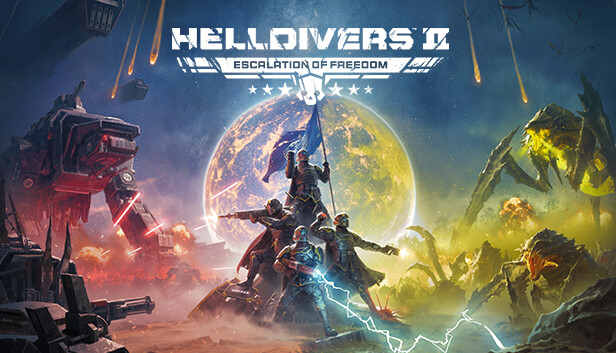
Helldivers 2 is in a volatile but promising phase this week, with Arrowhead juggling two fronts: the live-ops narrative push into Cyberstan and a mounting community debate around ranked-mode dropships. For players, this translates into a sharper focus on mastery, positioning, and squad cohesion; for #gamedev watchers, it’s a case study in how a studio defends a core design pillar while still signaling responsiveness to feedback.
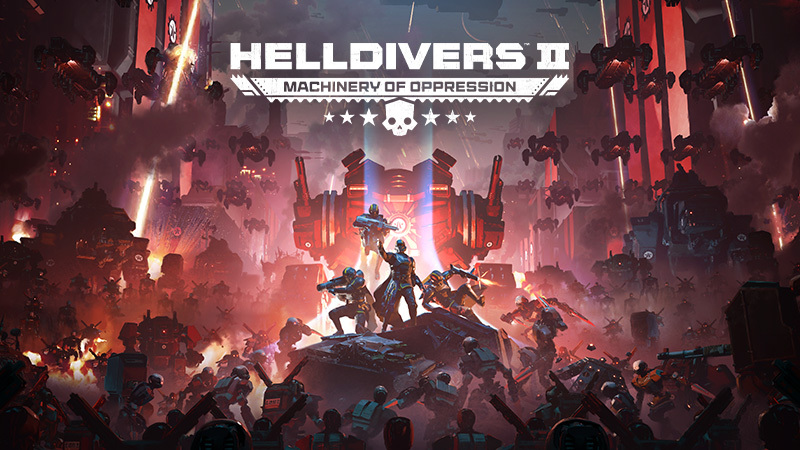
On one side, the new "Machinery of Oppression" transmissions rally the community toward liberating Cyberstan and dismantling a resurgent Cyborg menace. On the other, the ranked-mode ecosystem is being stress-tested by players frustrated with lethal dropships that can delete a squad before they fully parse the threat. The tension between fantasy (chaotic space fascism) and fairness (competitive clarity) is exactly where live-service design either hardens or cracks.
Frontline: Cyberstan and the Machinery of Oppression
The latest official transmissions frame Cyberstan as a dense, industrial theater where Helldivers breach factory cities, sabotage Automaton infrastructure, and confront new Cyborg threats. The messaging leans heavily into urbanized warfare and systemic destruction: choke points, layered verticality, and overlapping objective zones that reward coordinated fire teams.
Thematically, the update reinforces Helldivers 2’s satirical military-industrial tone while giving the live-ops team room to escalate stakes. The reference to the Automatons attempting to replicate the "Star of Peace" suggests a narrative escalation that can be re-used as a backbone for future operations, seasonal arcs, and rotating modifiers.
From a #gamedev perspective, Cyberstan is a smart move: it’s content that can be repurposed and reconfigured (different enemy mixes, patrol densities, and objective types) without requiring a full biome pipeline every time. For #indiegame and AA studios watching Helldivers 2, this is a blueprint for sustainable, modular live content that still feels like a major push.
Watch: Transmitting Gameplay footage from the field: Official Helldivers 2 Operations Briefing
Ranked Mode Under Fire: Dropships as Design Statement
The most revealing development update this week is Arrowhead’s follow-up post on ranked dropships. The studio doesn’t just acknowledge that players are frustrated by being blown up by ships they barely see; it doubles down on the core philosophy: ranked is not meant to be a "mindless farming simulator."
In design terms, dropships are framed as high-risk, high-reward threats that shape:
- Mission Pacing – Dropships inject spikes of danger that prevent ranked runs from devolving into predictable, low-tension clears. They’re pacing levers, not just spawn machines.
- Difficulty Scaling – As squads climb the ranked ladder, dropships become a skill check on map awareness, positioning, and stratagem usage, not just raw DPS.
- Team Composition & Roles – Anti-armor, stuns, and area denial become mandatory roles, not optional flavor. A ranked squad that ignores air denial tools is intentionally handicapping itself.
The key line between the bullets: Arrowhead believes that simply nerfing dropships would flatten the skill curve and turn ranked into a rote optimization problem. Instead, they’re targeting clarity and counterplay, not raw lethality.
Fairness vs. Fantasy: What’s Actually on the Table
The dev post outlines a few potential adjustments without compromising the identity of Helldivers 2 ranked:
- Clearer Telegraphs – More readable approach cues and visual/audio tells so squads can anticipate and reposition before the first volley lands.
- Longer Reaction Windows – Slightly expanded time between telegraph and impact, giving high-skill players a genuine opportunity to flex awareness and mobility.
- Spawn Pressure Tuning – Adjusting how oppressive certain spawn clusters feel, especially in scenarios where multiple ships chain together and overwhelm even well-organized teams.
Crucially, the studio is explicit: they’re monitoring player behavior and data, not reacting purely to sentiment. If you stand in the open under a hostile gunship in ranked, that’s framed as a skill issue, not a balance issue. This is a rare, candid line in an era where many live-service games overcorrect toward comfort and grind.
For other #gamedev teams, this is a valuable signal: you can defend sharp, punishing systems as long as you also invest in legibility and player education. The fantasy of being a fragile cog in a brutal galactic war only holds if the danger feels learnable, not arbitrary.
Operational Impact on the Meta
The combination of Cyberstan’s urban combat and the reinforced dropship philosophy is likely to:
- Push squads toward more disciplined positioning, using cover and elevation rather than open-field zerging.
- Increase the value of anti-vehicle and crowd-control stratagems in ranked, especially those that can quickly deny landing zones or punish clustered spawns.
- Encourage role specialization, where one player explicitly owns air denial or early-warning responsibilities instead of everyone chasing pure damage output.
In short, Helldivers 2 is leaning further into its identity as a co-op tactics game masquerading as chaotic satire. The more Arrowhead insists that ranked is about mastery of tools, map awareness, and execution, the more the meta will reward squads that treat each operation like an actual military sortie instead of a loot run.
Sector Forecast
Expect the next few weeks to be dominated by:
- Ongoing tuning to dropship telegraphs and spawn behavior, not wholesale nerfs.
- Community-driven optimization of ranked builds tailored to Cyberstan’s dense layouts.
- A clearer separation between casual play and ranked, as Arrowhead continues to emphasize that the latter is a proving ground, not a farm.
For players, this is a call to tighten squad discipline and re-evaluate loadouts. For developers, Helldivers 2 remains a live case study in how to preserve a game’s sharp edges while still iterating in public. Super Earth demands perfection—and this week, Arrowhead is making it clear that ranked is where that demand becomes design.
Sources and corrections
This archive entry does not have a verified article-source list. Images and video embeds alone are not evidence for every claim.
Found an error? Request a correction. Include the passage and a supporting source.