Automated archive / Hades II
Hades II Jacks Into Game Pass and Next-Gen Consoles for a Full-Scale Underworld Offensive
Hades II just escalated from cult-favorite sequel to full-spectrum platform offensive, locking in PS5, Xbox Series X|S, and Xbox Game Pass day one. For players and devs alike, this rollout is a live case study in how a prestige indie roguelike scales without losing its edge.
AI-generated summary. This archive article does not have a current recorded source check. Check linked sources before relying on details. Editorial policy
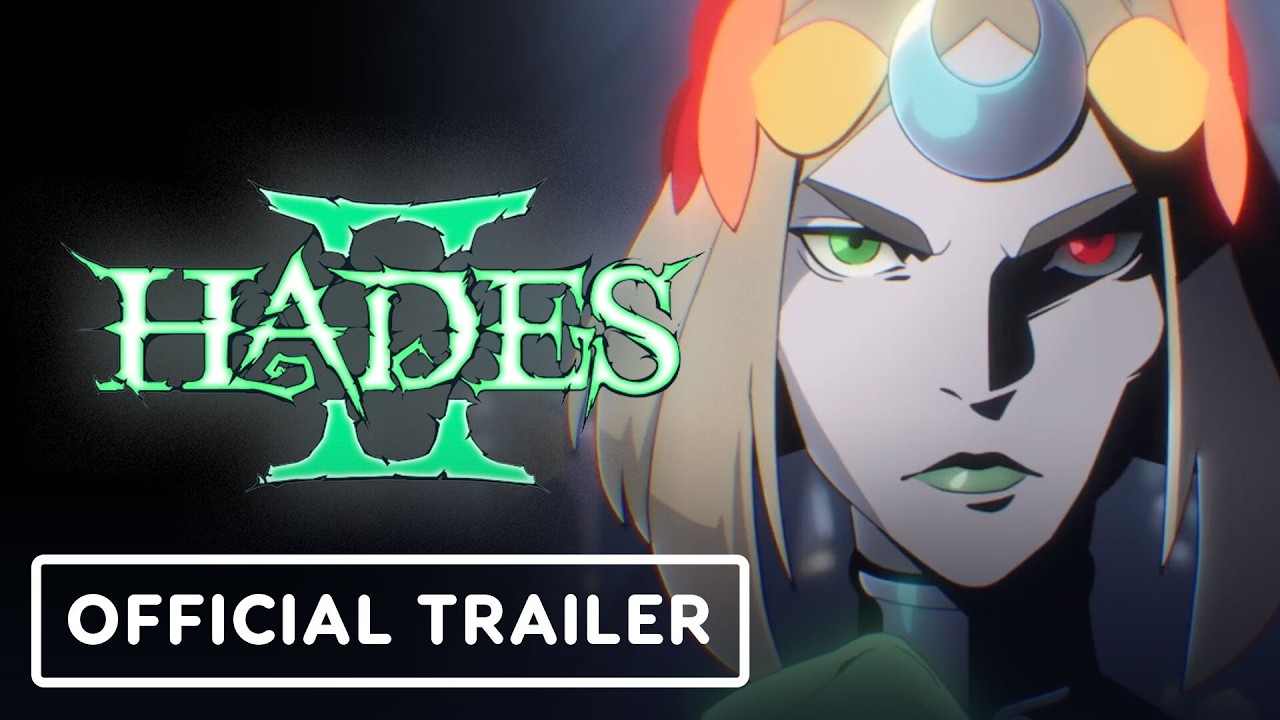
Underworld Status: Hades II Goes Fully Multi-Platform
Supergiant’s hades ii campaign just escalated from targeted strike to full-spectrum deployment. After months of early-access calibration on PC, the studio is now pushing the sequel across PlayStation 5, Xbox Series X|S, and—crucially—Xbox Game Pass on day one. For an #indiegame operating with AAA mindshare, this is a decisive move that reshapes its reach, monetization funnel, and live balancing strategy.
Over the last week, comms have confirmed two critical vectors:
- Console borders are gone – hades ii is no longer orbiting just PC and Nintendo Switch 2; PS5 and Xbox Series X|S are locked in for next month.
- Game Pass day-one deployment – on April 14, Hades II will hit Xbox Game Pass, drastically lowering friction for new players and opening a massive telemetry stream for Supergiant.
For players, this is a content win. For #gamedev observers, it’s a textbook case study in how a prestige indie sequel scales its platform footprint while protecting its design identity.
Why Game Pass Day One Matters for a Roguelike
Watch: Transmitting Gameplay footage from the field: Official Hades II Xbox/Game Pass trailer
Roguelikes live or die on iteration volume. More runs equals more data, and more data equals better tuning. By breaching the Xbox Game Pass grid on day one, Hades II is effectively plugging its procedural myth engine into a massive, always-on testing environment.
From a #gamedev perspective, that means:
- Explosive run volume: Game Pass historically spikes early engagement. For a run-based game, this is ideal for stress-testing systems like encounter pacing, boon synergies, and boss difficulty curves.
- Meta-progression validation: The activity feed explicitly calls out “refined combat telemetry tuned for high-repeat incursions” and “meta-progression and narrative cadence across each escape attempt.” Game Pass will accelerate Supergiant’s ability to see where players stall, churn, or brute-force builds.
- On-ramp for non-roguelike players: Lower financial risk lets newcomers experiment with the genre. If Supergiant’s onboarding and tutorialization are strong, Hades II could become the default gateway roguelike for console audiences.
This isn’t just distribution; it’s live design R&D at population scale.
Design Escalation: Building on the Original Hades
Field intel highlights three core upgrades to the underworld simulation:
1. Denser Run-Based Loops
The report flags “denser run-based loops” and “data-rich failure cycles.” That suggests:
- More meaningful decisions per room (boon choices, resource trade-offs, route branching).
- Tighter feedback loops between a failed run and the player’s next upgrade or narrative beat.
- Reduced “dead time” between action, reward, and story.
For hades ii, the challenge is pushing complexity without overwhelming players who only know the first game from word-of-mouth or GOTY lists.
2. Expanded Olympian Roster and Interference
The new intel emphasizes an “expanded Olympian roster” and “Olympian interference.” In design terms, that likely means:
- More gods, more boons, and more cross-god synergy builds.
- Higher variance in run identity—each escape attempt should feel more distinct.
- Narrative layering where divine politics influence not just story beats but encounter composition and boss behaviors.
Supergiant’s narrative cadence in Hades was already a benchmark. Scaling that up without diluting clarity is a major #indiegame writing and systems-design challenge.
3. Chrono-Chaos and Time-Twisted Hellscapes
The feed references “chrono-chaos” and “time-twisted hellscapes.” For systems designers, that language points to:
- Time-based modifiers (run timers, temporal debuffs, or shifting room states).
- Dynamic arenas that evolve mid-encounter, possibly in response to player performance.
- Potential meta systems that track progress across timelines or parallel runs.
If executed cleanly, this could push Hades II beyond being just “more Hades” into a structurally bolder sequel.
Platform Strategy: From Boutique Hit to Multi-Front Offensive
Watch: Transmitting Gameplay footage from the field: Cross-platform Hades II deployment analysis
The last week’s transmissions confirm a deliberate, multi-stage rollout:
- Early Access on PC – Classic Supergiant move: iterate in a controlled environment, gather feedback from a highly engaged core audience.
- Nintendo Switch 2 Lock (Initial) – Repeating the original Hades’ handheld success story while testing performance and UX in a portable context.
- PS5 and Xbox Series X|S Release – Scaling to the living room front, with performance headroom for high-FPS combat, dense VFX, and fast reload cycles between deaths.
- Xbox Game Pass Integration – Final amplification layer, prioritizing reach, discoverability, and a continuous influx of fresh players.
Strategically, this positions Hades II as a cross-platform staple rather than a platform mascot. For Supergiant, that means less dependence on any single storefront and more leverage to keep creative control intact.
What Developers Should Be Watching
For fellow #gamedev teams, Hades II’s current phase is a live case study in:
- Sequel design: How far you can push systems, scope, and narrative without losing the clarity that made the original work.
- Data-informed iteration: Using massive run volume (especially via Game Pass) to fine-tune difficulty, economy, and story pacing.
- Prestige indie positioning: Balancing platform partnerships with brand independence, while still hitting every major console and subscription grid.
The underworld is no longer a niche battleground; it’s a full networked theater of operations. As Hades II breaches PS5, Xbox Series X|S, and Game Pass in April, expect the next wave of design telemetry—and player stories—to redefine what a top-tier roguelike sequel can look like.
Sources and corrections
This archive entry does not have a verified article-source list. Images and video embeds alone are not evidence for every claim.
Found an error? Request a correction. Include the passage and a supporting source.
Your games, in one place
Keep up with Hades II
Follow this game to collect its posts in your personal feed. Come back to see what you missed.