Automated archive / Dragon Ball Xenoverse 3
Sector Intelligence: West City Comes Online in Dragon Ball Xenoverse 3
West City is coming online as Dragon Ball Xenoverse 3’s new city-sized console, fusing hub, combat layer, and social space into a single urban grid. Dimps is doubling down on vertical battles, dense population stress tests, and a refined Time Patrol loop that could define the franchise’s live-service future.
AI-generated summary. This archive article does not have a current recorded source check. Check linked sources before relying on details. Editorial policy
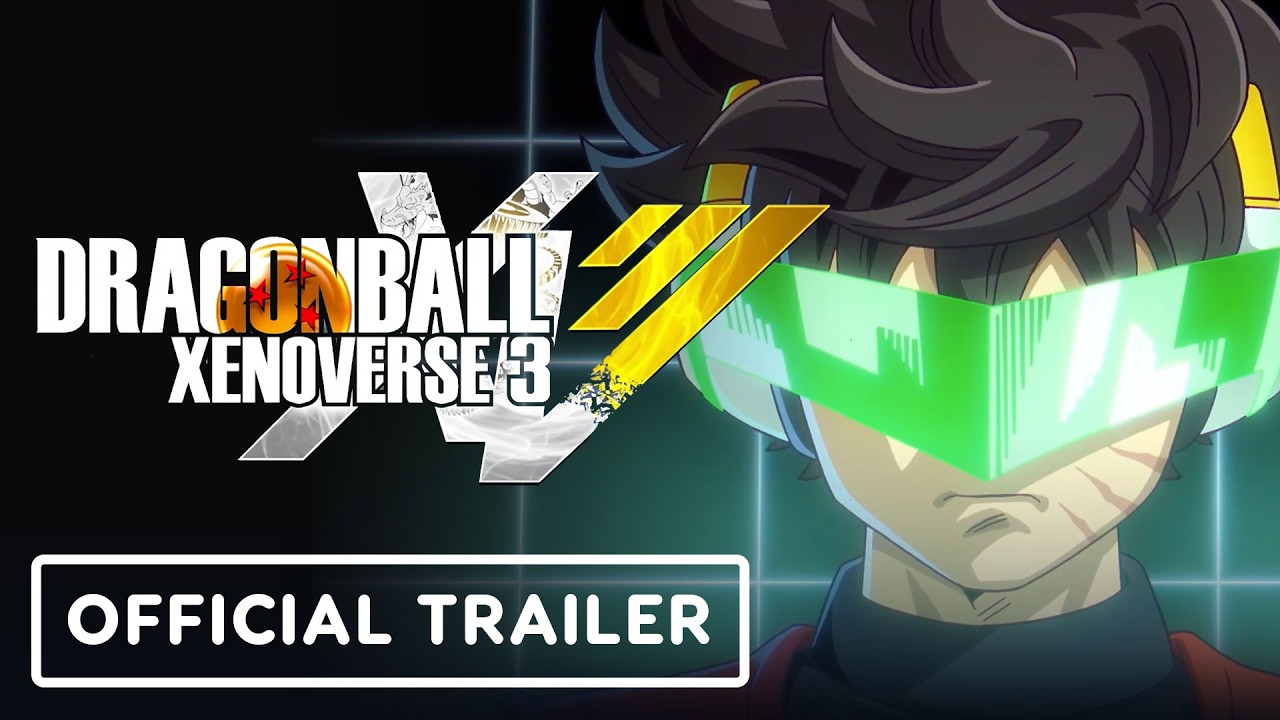
West City Boot-Up: Xenoverse 3’s New Operations Hub
Dragon Ball Xenoverse 3 just flipped the switch on West City as its primary operations hub, and the last week of intel paints a clear picture: Dimps is rebuilding the Time Patrol’s staging ground as a dense, urban live-service console. Instead of fragmented lobbies, West City functions as a single, city-sized interface where players regroup, re-equip, and deploy across timelines.
The “Welcome to West City” trailer transmission frames this as more than a cosmetic lobby swap. Neon skylines and capsule-tech infrastructure aren’t just background dressing—they’re the connective tissue between PvE story arcs, PvP queues, and social spaces. From a #gamedev standpoint, this is a structural bet: concentrate player activity into one recognizable, lore-rich hub to streamline matchmaking, reduce friction, and build a persistent sense of place.
Watch: Transmitting Gameplay footage from the field: Official 'Welcome to West City' Gameplay Reveal
Urban Combat Systems: Verticality, Density, and Spectacle
The official gameplay reveal positions West City as more than a menu shell. Patrol routes weave through high-rise corridors, open plazas, and chokepoints that can flip from idle hangouts to live combat scenarios. The activity feed references “vertical movement, crowd-density stress tests, and spectacle-grade supers”, suggesting Dimps is tuning the engine to handle:
- Layered vertical combat – Rooftops, balconies, and aerial lanes give Saiyan-class fighters more tactical elevation than the flatter arenas of prior entries.
- High population density – NPCs, players, and effects-heavy supers crammed into the same urban grid, a stress test for both rendering and netcode.
- Tournament-scale sandboxing – Segments of West City appear to phase into instanced battle pockets, allowing cinematic clashes without breaking the illusion of a continuous city.
For Dragon Ball Xenoverse 3, this is a crucial evolution. Previous hubs felt like staging lobbies; West City looks more like a live combat simulation layer—a persistent environment where traversal, socializing, and skirmishes are interwoven rather than isolated modes.
Time Patrol 2.0: Structural DNA and Roster Expansion
The first preview uplink confirms that Dragon Ball Xenoverse 3 retains the structural DNA of the series: custom avatars, Time Patrol operations, and revisiting iconic Dragon Ball timelines. The difference this time is scale and refinement.
Key intel from the preview:
- Expanded roster – A broader character pool is all but confirmed, aligning with fan expectations and long-tail content plans.
- Revisited timelines – Classic arcs are being re-stitched with new distortions, giving returning players fresh angles on familiar battles.
- Refined combat flow – Early hands-on reports point to smoother animation transitions and more readable combat states, crucial for both casual players and competitive grinders.
Dimps appears to be iterating rather than reinventing. For #indiegame and mid-sized studios watching from the outside, Xenoverse 3 is a case study in franchise-scale iteration: keep the core loop intact, then layer in systemic improvements (hub design, traversal, netcode, and encounter design) to extend lifecycle without alienating the existing base.
Netcode, Endgame, and Live Ops: Classified but Critical
The activity feed flags netcode and endgame loop as “still under classification,” which is where the real long-term risk lies. Xenoverse as a franchise lives or dies on three fronts:
- Match stability and rollback behavior – With West City acting as a unified hub, matchmaking and connection quality must keep pace with the visual escalation.
- Endgame progression – Once players clear the core Time Patrol arcs, the question becomes: how meaningful are the grind paths for skills, cosmetics, and high-difficulty encounters?
- Live content cadence – The West City framework is clearly built for seasonal or event-based updates. Expect rotating distortions, limited-time raids, and curated PvP events anchored to city districts.
For Dragon Ball Xenoverse 3, the next wave of intel needs to clarify how these systems interlock. If West City is the console, we still need to see the full operating system: ranked ladders, raid structures, and how cross-play (if implemented) ties into that urban grid.
Sector Outlook: High-Potential Urban Reboot
From a development update perspective, the last seven days show a confident, tightly messaged pivot. West City is being positioned as the definitive Xenoverse hub, a place where narrative, combat, and community intersect in real time. The core combat loop remains recognizably Xenoverse, but the staging, density, and verticality signal a more ambitious technical and design target.
Dragon Ball Xenoverse 3 isn’t trying to reinvent the franchise; it’s trying to harden it into a sustainable, event-ready platform. If Dimps can align netcode, endgame structure, and live ops with what we’re seeing in these West City transmissions, the Time Patrol’s next deployment could be its most stable—and most explosive—yet.
Sources and corrections
This archive entry does not have a verified article-source list. Images and video embeds alone are not evidence for every claim.
Found an error? Request a correction. Include the passage and a supporting source.
Your games, in one place
Keep up with Dragon Ball Xenoverse 3
Follow this game to collect its posts in your personal feed. Come back to see what you missed.
More to read about Dragon Ball Xenoverse 3
- Source-checked briefDragon Ball Xenoverse 3 battle systems outlined
Bandai Namco’s guide outlines combat systems for Dragon Ball Xenoverse 3, including Ki Break states, assist calls, and transformation choices. The announcement cautions that UI and features may...