Automated archive
Disclosure Day’s Spielberg Protocol: How a ‘One‑er’ and an Endgame Pivot Redefine Cinematic Systems Design
Disclosure Day’s latest intel shows a team treating Spielberg‑style cinema as a fully fledged design system, not just a visual filter. From a high‑risk one‑shot sequence to an endgame built around hard cuts and player agency, this project is quietly drafting a new playbook for cinematic gamedev.
AI-generated summary. This archive article does not have a current recorded source check. Check linked sources before relying on details. Editorial policy
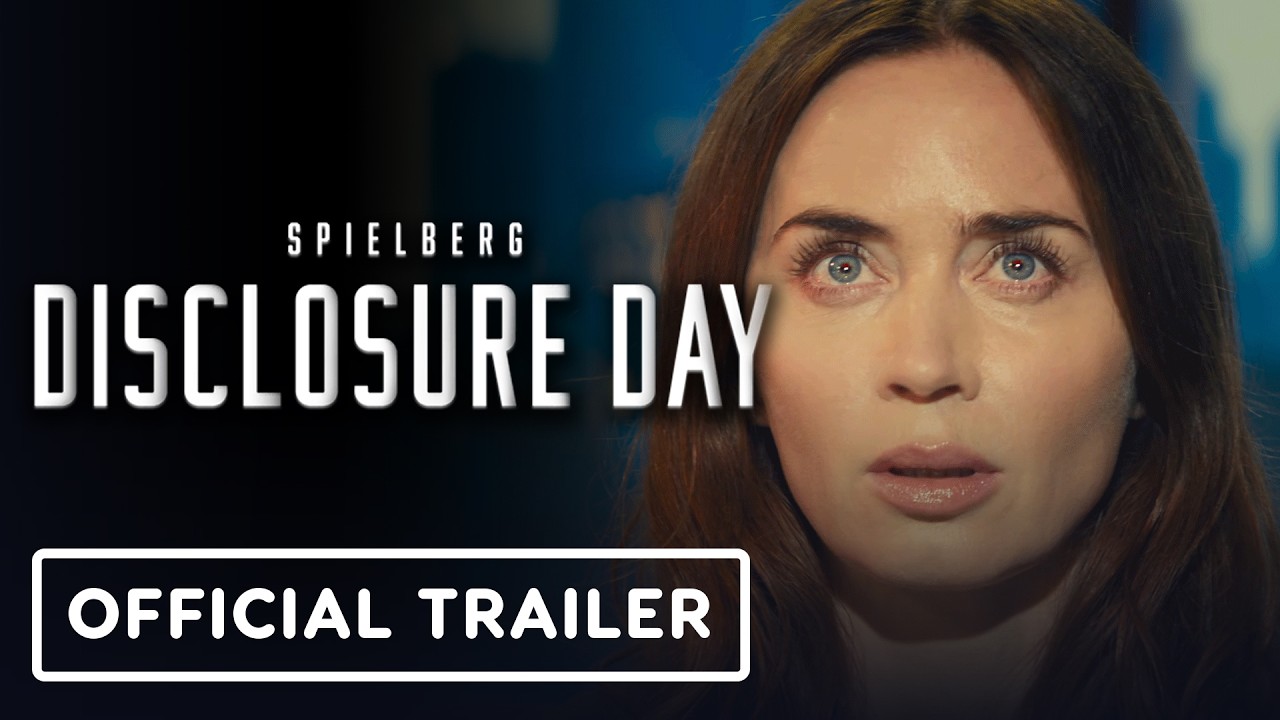
Sector Intelligence Report: Disclosure Day – Cinematic Systems at War With Gravity
Disclosure Day isn’t just chasing “cinematic” vibes—it’s reverse‑engineering them like a systems designer. Over the last week, the project’s signal has focused on one thing: how to weaponize film language for interactive tension without losing player control. The result is a fascinating design thesis on endgames, long takes, and how to turn a single car scene into a live #gamedev post‑mortem.
Endgame Protocol: When the Finale Goes Full Spielberg
The latest field log frames Disclosure Day’s ending as a “Spielberg‑grade end sequence,” and that’s not empty name‑dropping. The description points to a deliberate pivot from grounded, boots‑on‑the-pavement tension into full cosmic spectacle—but with “tight interactive control loops” preserved.
That phrasing matters. Most cinematic finales in games quietly steal control: long cutscenes, QTEs, or heavily scripted rails. Disclosure Day’s intel suggests a different approach:
- Escalating set pieces as systems, not cutscenes – Think layered encounter design where each phase reuses core verbs (movement, cover, interaction) instead of swapping to a passive movie mode.
- Hard cuts as design tools – The team is leaning into film editing logic—sharp transitions in time and space—to maintain pace while still returning agency to the player between beats.
- A final image engineered as a “neural imprint” – That’s not just poetic; it implies a closing shot designed as a mechanical and emotional payoff. Expect a composition that reflects the game’s core loop or key choice, not just a pretty skybox.
By explicitly saying the endgame is “where Spielberg started,” the devs are telling us their reference point isn’t just sci‑fi aesthetics—it’s the way classic finales ramp stakes visually while keeping geography and emotional focus readable. For an #indiegame operating without blockbuster VFX budgets, that means precision in framing, not volume of spectacle.
The One‑er: High‑Risk, No‑Cut Operation
Field intel also calls out a continuous “oner” sequence pushed by Emily Blunt and Steven Spielberg—a long take treated like a no‑fail operation. In game design language, this reads like a bespoke, ultra‑scripted mission that still has to live inside the core systems.
A one‑shot sequence in this context implies:
- Militant blocking and choreography – NPC paths, vehicle beats, environmental hazards, and camera rails must all sync to the frame. There’s no edit to hide a reset.
- Diegetic UI and clean readability – With no cuts to re‑orient the player, affordances and sightlines have to do the heavy lifting. Expect strong silhouettes, guided lighting, and environmental funneling.
- Performance‑driven pacing – If Blunt is a focal point, the design likely orbits her performance: moments where the player is close enough to feel micro‑expressions, then pulled back to re‑establish spatial stakes.
From a #gamedev perspective, the risk profile here is huge. Long takes are brittle: one systemic glitch, one AI derp, and the illusion collapses. Pulling this off in an interactive context suggests heavily constrained failure states, invisible guardrails, and maybe even subtle dynamic correction systems to keep the shot intact.
Watch: Transmitting Gameplay footage from the field: Official Disclosure Day broadcast
Spielberg’s Car Scene as a Design Post‑Mortem
The most revealing intel drop casts Spielberg himself as a kind of guest systems designer, breaking down “that car scene” from Disclosure Day with “frame‑perfect precision.” The report explicitly compares it to dissecting enemy AI states or escort logic.
That framing tells us how the team thinks about cinematic beats:
- Shot composition as encounter design – Where the camera sits is treated like where you’d spawn threats or cover in a combat arena. Angles aren’t just pretty—they’re functional.
- Timing as tuning – The gap between beats (impacts, reveals, reversals) is tuned the way you’d tweak cooldowns or reload times. Too fast, and players can’t parse; too slow, and tension dies.
- Emotional aggro as a resource – The car isn’t just a prop; it’s an escort objective with emotional hit points. Every scrape, near miss, or stall is a designed “damage tick” to the player’s nerves.
Calling this breakdown “basically a live GDC talk disguised as film nostalgia” is key. It suggests the team is actively cross‑training film grammar into interactive design language, not just borrowing vibes. For developers watching Disclosure Day, that car scene may become a teaching tool: how to bind spatial clarity, emotional stakes, and mechanical pressure into one continuous sequence.
Watch: Transmitting Gameplay footage from the field: Additional Disclosure Day operations brief
Why This Week’s Intel Matters for Devs
Across these logs, a clear pattern emerges: Disclosure Day is treating cinema as a system, not a coat of paint. Endgame structure, long‑take execution, and vehicle set pieces are all being broken down with the same rigor you’d apply to AI behavior trees or level greyboxes.
For #indiegame teams, the takeaway is sharp:
- You don’t need AAA spectacle; you need intentional framing and controlled pacing.
- Long takes and big finales only work if your core loop survives the spectacle.
- The best “cinematic” moments are often just well‑tuned systems wearing film language.
Disclosure Day’s latest development update doesn’t just tease content—it broadcasts a methodology. If the final release sticks to what these field reports are signaling, this project could become a reference point for how to fuse Spielberg‑grade storytelling with uncompromised player agency.
Sources and corrections
This archive entry does not have a verified article-source list. Images and video embeds alone are not evidence for every claim.
Found an error? Request a correction. Include the passage and a supporting source.