Automated archive / Destiny 2
Sector Intelligence: Bungie’s Destiny 2 Team Gutted – What Survives the Cut?
Bungie has cut nearly 300 roles, with reports that most of the Destiny 2 team has been hit, throwing the game’s live-service roadmap into uncertainty. This week’s Sector Intelligence Report dissects what that means for future content, studio strategy, and the wider gamedev ecosystem.
AI-generated summary. This archive article does not have a current recorded source check. Check linked sources before relying on details. Editorial policy

Sector Intelligence Report: Destiny 2 – Week of June 29, 2026
The Destiny 2 command network just suffered its heaviest structural damage since the franchise’s inception. Sony has confirmed nearly 300 layoffs at Bungie, with reports indicating “most of the Destiny team” has been cut and studio leadership shaken. For a live-service ecosystem built on seasonal cadence and long-term expansion arcs, this is not just turbulence – it’s a possible course correction for the entire star chart.
This week’s Sector Intelligence Report breaks down what’s actually happening inside the Destiny 2 production pipeline, what it likely means for future content, and how this reshapes Bungie’s role in the broader #gamedev landscape.
1. The Hit: Nearly 300 Roles Cut from Bungie
Sony’s internal filings and follow-up reporting confirm 292 roles eliminated at Bungie, the studio behind Destiny 2 and the in-development Marathon reboot. The language around “most of the Destiny team” being affected suggests this was not a peripheral trim – it’s a direct strike on the live-service core.
Key impact vectors:
- Live Ops & Content Cadence: Destiny 2’s long-term viability has always depended on a steady content rhythm – expansions, seasons, limited-time events, and systems updates. With this many developers removed from the equation, expect roadmap rewrites and scope reduction across upcoming beats.
- Leadership Vacuum: Reports of the studio head exiting the command deck create a strategic void. For a franchise that already walked back parts of The Final Shape-era roadmap, this raises questions about who is steering long-term narrative and systems direction.
- Shared Tech & Tools: Internal tools and engine teams often straddle multiple projects. Cuts here can silently slow everything – from balance patches to new activities – even if the public roadmap doesn’t immediately change.
In #gamedev terms, this isn’t a content delay story; it’s a studio reconfiguration story.
2. Live-Service Under Fire: Destiny 2’s Roadmap in Question
Destiny 2 has spent years as a case study in live-service evolution: sunsetting, unvaulting, seasonal fatigue, and then the pivot toward bigger, more authored releases. Now, with a heavily reduced team, Bungie faces a hard trade-off: breadth vs. focus.
2.1 Expect Fewer Experiments, Tighter Scope
Internal priority triage will likely favor:
- Core retention systems (ritual activities, power progression, evergreen playlists)
- High-visibility tentpoles (major expansions and limited-time events that drive concurrency)
- Revenue-critical content (Eververse-adjacent cosmetics, battle pass equivalents, and bundles)
The casualties may be:
- Risky experimental modes
- Deep systemic overhauls that require long iteration cycles
- Niche, low-telemetry features that don’t clearly move engagement or revenue
In practical terms, players should prepare for longer gaps between substantial systemic changes and more conservative design bets.
3. Destiny 2 as a Cautionary Tale for Live-Service #gamedev
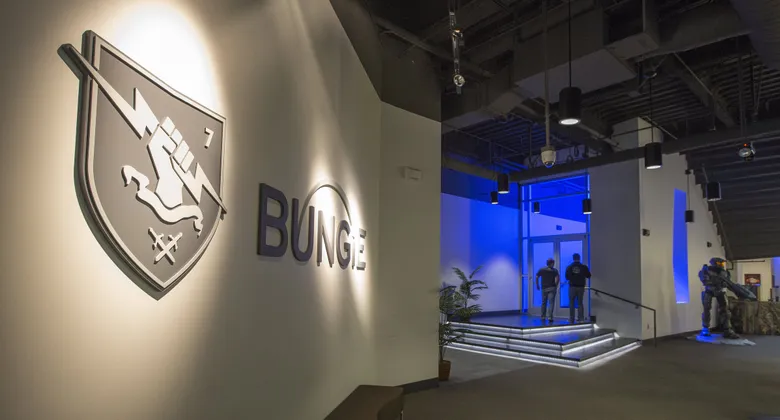
For developers and #indiegame studios watching from the perimeter, Bungie’s situation is a high-profile stress test of the live-service model.
3.1 Overhead vs. Longevity
Maintaining a live-service FPS at Destiny 2’s scale demands huge, persistent headcount: content designers, encounter teams, narrative, UI/UX, netcode, anti-cheat, analytics, platform ops, and more. When platform owners (in this case, Sony) reassess ROI, headcount becomes the lever.
Key takeaways for studios:
- Live-service is a financial commitment, not just a design choice. Once you promise ongoing content, you’re also committing to ongoing burn.
- Tooling and pipelines matter. Teams that invest early in scalable tools can ship more with fewer people. The current cuts suggest Bungie will be forced to lean heavily on tooling efficiency to keep Destiny 2 viable.
- Portfolio risk: Bungie’s dual focus on Destiny 2 and Marathon means both projects now compete for a smaller pool of talent. That tension will shape what Destiny 2 actually receives in the next 12–24 months.
4. What Players Should Watch for Next
Watch: Transmitting Gameplay footage from the field: Destiny 2 – Official Trailer Broadcast
Until Bungie issues a clear, updated development update or roadmap, the best intelligence will come from patterns rather than promises. Destiny 2 players should monitor:
4.1 Roadmap Revisions
- Any quiet removal or delay of previously announced seasons, episodes, or features
- Shifts from ambitious, multi-activity seasons to leaner, more recycled content
- A heavier reliance on reprised raids, strikes, and destinations as stopgaps
4.2 Communication Cadence
A reduction in dev diaries, TWAB-style posts, or deep-dive blogs can indicate bandwidth strain. If Bungie pivots to shorter, more marketing-forward updates and fewer detailed design breakdowns, that’s a sign the remaining team is stretched thin.
4.3 Technical Stability vs. Innovation
With fewer engineers and QA, Bungie may prioritize stability patches and security over risky mechanical innovation. Expect conservative balance passes and fewer radical sandbox experiments – at least in the short term.
5. The Strategic Horizon: Destiny 2’s Next Phase

The core question now isn’t whether Destiny 2 will continue – it’s what form it will take.
Plausible scenarios:
- Stabilization Mode: Destiny 2 transitions into a “maintenance plus” state – fewer big swings, but enough recurring content to keep a loyal core engaged while Bungie reallocates more staff to Marathon and future projects.
- Focused Expansion Beats: Rather than frequent, smaller seasonal drops, Bungie could consolidate resources into fewer, larger expansions that function as eventized spikes in engagement.
- Long-Term Wind-Down: If metrics trend downward and Sony seeks to contain costs, Destiny 2 might gradually shift toward legacy support: limited new content, more recycled assets, and an emphasis on keeping the servers healthy rather than reinventing the sandbox.
For now, Destiny 2 remains a live, monetized ecosystem with a committed player base and years of content already in circulation. But the layoffs mark a decisive transition point. The next development update from Bungie will be more than a patch note dump – it will be a statement of what Destiny 2 is allowed to be in this new, leaner era.
Until that transmission arrives, Guardians should assume one thing: the game isn’t dying tomorrow, but the age of boundless, ever-escalating ambition for Destiny 2 may have just ended.
Sources and corrections
This archive entry does not have a verified article-source list. Images and video embeds alone are not evidence for every claim.
Found an error? Request a correction. Include the passage and a supporting source.
Your games, in one place
Keep up with Destiny 2
Follow this game to collect its posts in your personal feed. Come back to see what you missed.