Automated archive / Death Stranding 2: On the Beach
Death Stranding 2’s March Overhaul Rewires the Beach
Death Stranding 2: On the Beach just received a March 2026 systems overhaul that rewires traversal, cargo, and combat risk while new character intel and a PC vs PS5 visual audit reveal how Kojima Productions is tuning its strange, sandy frontier. This is not just a sequel update—it’s a live experiment in how...
AI-generated summary. This archive article does not have a current recorded source check. Check linked sources before relying on details. Editorial policy

Sector Intelligence Report // Death Stranding 2: On the Beach
The last seven days around death stranding 2: on the beach have been defined by three converging vectors: a March 2026 balance and systems overhaul, a cross-platform rendering audit on PC vs PS5, and a character-focused intel drop that reframes the human (and post-human) stakes of Kojima Productions’ next traversal epic. For #gamedev observers and systems designers, this is the clearest glimpse yet of how the sequel is tuning its core loop of movement, cargo, and connection.
March 2026 Balance & Systems Overhaul: Traversal as a Live Service Problem
The new March 2026 patch reads less like a minor tune-up and more like a strategic doctrine update. The activity feed flags three critical axes of change:
1. Traversal Re-Tuned: Friction vs. Flow
Field reports indicate delivery routes have been re-tuned, suggesting Kojima Productions is actively rebalancing the tension between hardship and rhythm. In the original Death Stranding, traversal was the game’s true combat; in Death Stranding 2: On the Beach, the patch implies:
- Adjusted slope and surface penalties to reduce arbitrary stumbles and emphasize deliberate missteps.
- Refined route viability so that multiple paths feel strategically distinct rather than simply “optimal vs. wrong.”
For designers, this is a case study in post-launch traversal design: how to keep movement meaningful without turning it into pure attrition.
2. Cargo Management: Cognitive Load Compression
The update also flags cargo efficiency recalibration. That likely means:
- Better clarity on weight, balance, and risk trade-offs for different builds.
- More readable UI/UX around loadout configuration, reducing pre-mission friction.
From a #gamedev perspective, this is classic cognitive load triage: push complexity into interesting decisions (route, gear, timing) and pull it away from busywork.
3. Encounter Pacing & Combat Risk Profiles
The note on combat risk profiles adjusted for higher strategic clarity suggests encounters are being re-authored to make intent legible:
- BTs and human enemies likely telegraph their danger states more clearly.
- Encounter frequency may have been tuned to avoid “noise” and highlight set-piece tension.
For designers and #indiegame teams watching from the sidelines, this is a reminder that pacing passes late in development can radically reshape how players read the world—without rewriting the entire ruleset.
Cross-Strand Visual Benchmark: PC vs PS5 as Design Constraint
The PC vs PS5 graphics comparison intel isn’t just tech-porn; it’s a window into how the Decima engine is being leveraged as a cross-platform design tool.
1. Texture Density & Foliage Complexity
The analysis calls out texture density and foliage complexity as key differentiators. On high-spec PC, expect:
- Higher resolution terrain and rock formations that make micro-terrain reading more precise.
- Denser foliage that subtly changes traversal readability—a design concern, not just an aesthetic one.
On PS5, the trade-offs appear aimed at frame pacing stability, especially in rain and high-particle beach sequences, reinforcing that performance consistency is part of narrative delivery in a game built on slow, deliberate movement.
2. Volumetrics, Rain, and the Emotional Weather Layer
Volumetric fog, Timefall rain, and particulate density are more than visual garnish in Death Stranding; they are diegetic systems that signal danger and mood. The comparison suggests PC can push:
- Longer draw distances in storms, changing how early players can plan.
- Thicker volumetric stacks, deepening the sense of isolation while still maintaining legibility.
For #gamedev teams, this is a strong example of tech art as systems design—where visual fidelity directly affects risk assessment and planning.
Character Network Uplink: Emotional Bandwidth as a System
The new character-focused trailer operates like a personnel dossier for a world where every relationship is a logistics problem with feelings. The activity feed frames it as a “Character Network Uplink”, and that language matters.
1. Roster Expansion as Mechanical Foreshadowing
New and returning operatives are spotlighted not just as narrative beats, but as mechanical vectors:
- Different characters appear to anchor distinct operational roles—support, intel, logistics, and frontline risk.
- Their visual framing (gear, posture, environment) hints at specialized interactions with the traversal and cargo systems.
This is where Death Stranding’s core fantasy—connection as infrastructure—is likely to grow into richer network-based mechanics.
2. Emotional Stakes vs. Systemic Clarity
The trailer’s focus on emotional intensity dovetails with the patch’s emphasis on “higher strategic clarity.” The message is clear:
- The more legible the systems (routes, risk, gear), the more bandwidth there is for emotional interpretation.
- Narrative weight is being layered on top of a more readable simulation, not used to obscure it.
For narrative-driven #indiegame creators, this is a blueprint: clean systems invite deeper emotional investment.
Takeaways for Developers Watching the Beach
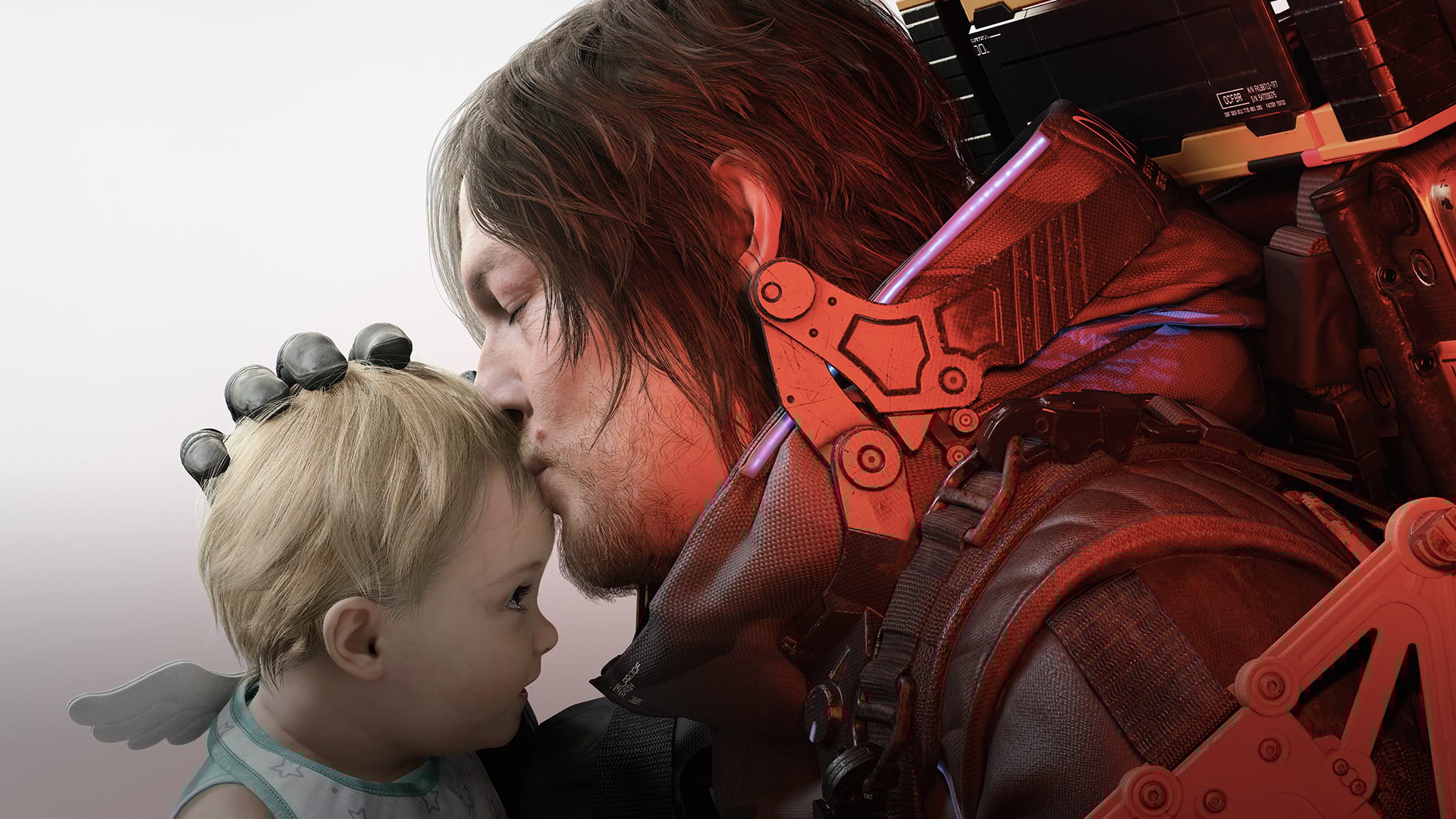
Across the week’s intel drops, Death Stranding 2: On the Beach is presenting itself as a live laboratory in:
- Post-launch systemic refinement (March 2026 rebalance as ongoing design, not crisis response).
- Platform-aware worldbuilding, where PC and PS5 each emphasize different strengths but maintain design intent.
- Character-driven systems integration, using a growing cast to surface mechanics rather than bury them.
For the broader #gamedev sector, Kojima Productions is effectively broadcasting a thesis: the future of traversal-heavy design isn’t about punishing players—it’s about curating meaningful friction, then giving them the tools and clarity to push through it.
As more patches and trailers land, expect this “operational uplink” to keep evolving, with Death Stranding 2 functioning as a high-budget R&D project in how to turn walking, weather, and fragile human connection into a single, coherent system of play.
Sources and corrections
This archive entry does not have a verified article-source list. Images and video embeds alone are not evidence for every claim.
Found an error? Request a correction. Include the passage and a supporting source.