Automated archive
Cyberpunk: Edgerunners 2 Reboots the Night City Killbox This Fall
Cyberpunk: Edgerunners 2 is reactivating the Night City killbox this fall, and the latest intel points to a sharper, deadlier, and more emotionally volatile return. From four new edgewalkers to verticalized combat design, the sequel is positioning itself as both a narrative escalation and a design playbook for...
AI-generated summary. This archive article does not have a current recorded source check. Check linked sources before relying on details. Editorial policy
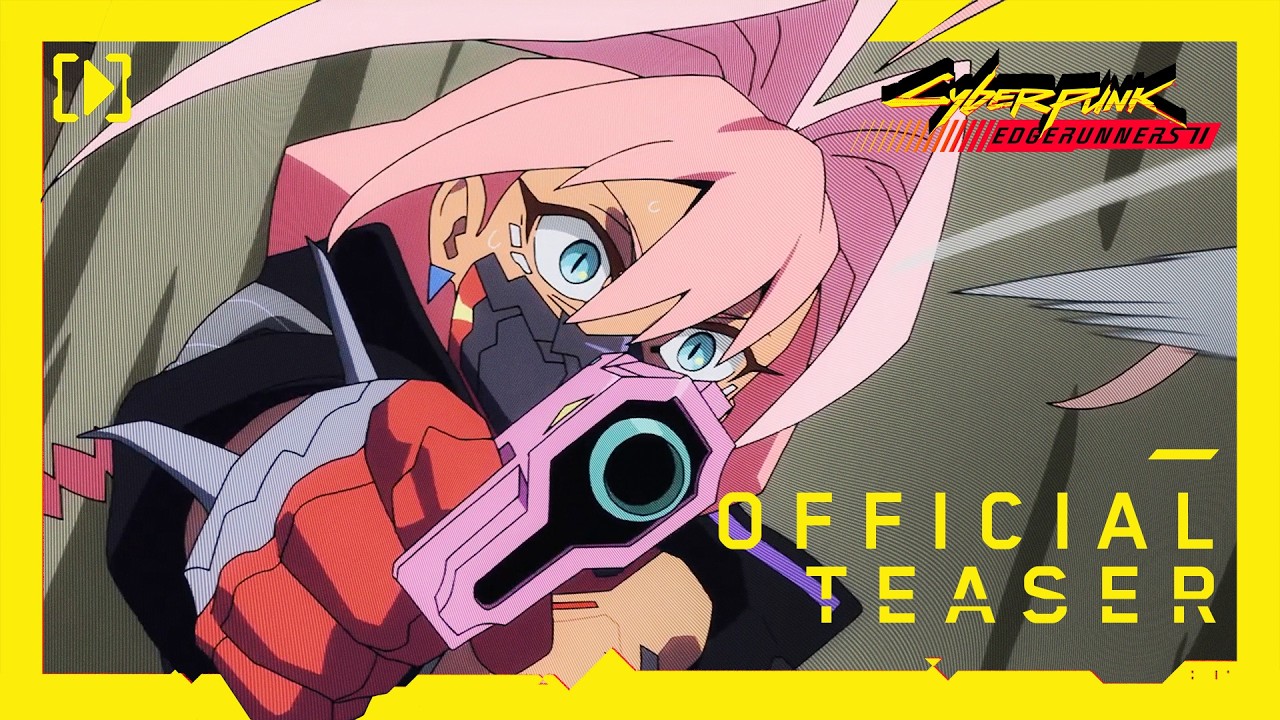
Sector Intelligence Report: Cyberpunk: Edgerunners 2 Weekly Ops Briefing
Cyberpunk: Edgerunners 2 is officially reactivating the Night City killbox this fall, and the latest intel drops point to a sequel that’s not just iterating on Studio Trigger and CD Projekt RED’s formula, but overclocking it. Across two new teasers and a release window confirmation, the project is signaling denser combat design, sharper emotional payloads, and a deliberate escalation in how the anime feeds back into the broader Cyberpunk transmedia ecosystem.
This week’s data stream centers on three pillars: tactical evolution in Night City’s urban warfare, the strategic introduction of four new edgewalkers, and what the visual language of the teasers suggests for #gamedev and #indiegame teams tracking high-end anime production as a design laboratory.
Night City 2.0: Tactical Readout on the New Killbox
Fresh footage from Cyberpunk: Edgerunners 2 | Official Teaser 2 frames Night City as a more vertical, more lethal operations space. The camera repeatedly emphasizes stacked highways, scaffolded megastructures, and layered alleyways—an implicit nod to elevated staging for both firefights and character beats.
The activity feed highlights:
- Vertical traversal as a design motif – Shots of characters vaulting between platforms and dropping into tight kill-zones suggest choreography built around elevation changes rather than flat street chases. For game developers, this reads like a case study in how to sell three-dimensional combat spaces in 2D animation.
- Heavy weapon silhouettes and chrome escalation – The teaser leans into bulkier, more distinct silhouettes: shoulder-mounted ordnance, oversized smart rifles, and cyberware that visibly reconfigures limbs mid-motion. It’s a clear attempt to communicate "readable lethality" at a glance—useful reference for anyone iterating on weapon readability and combat readability in their own projects.
- Tighter pacing, higher contrast – Cut cadence is faster than the original season’s early episodes, intercutting corpo-sterile interiors with street-level chaos. That contrast is doing double duty: it sells theme, but it also functions as a visual UX layer, making it instantly clear which power structures own which spaces.
In short, the sequel is positioning Night City not just as a backdrop, but as an active, hostile system—one that feels closer to a live ops arena than a static setting.
Watch: Transmitting Gameplay footage from the field: Cyberpunk: Edgerunners 2 | Official Teaser 2
Four New Edgerunners: Roster Shake-Up and Narrative Risk
The confirmation that four new edgewalkers are joining the roster this fall is the most significant narrative and commercial signal in this week’s intel.
From a transmedia design perspective, that move carries several implications:
1. Power Rebalancing in Night City’s Shadow Wars
New characters mean new factional vectors. The activity feed calls out "shifting power balances in Night City’s shadow wars"—language that suggests:
- At least one new corpo-adjacent operator, likely serving as a bridge between boardroom and back alley.
- A possible netrunner specialist, in line with the teaser’s emphasis on reinforced netrunner ops and dense grid overlays.
- A wildcard presence that can destabilize returning alliances and fan expectations, mirroring how expansions and DLCs often introduce meta-shifting archetypes in live-service games.
For #gamedev teams, this is a reminder: when you introduce new playable archetypes or key NPCs, they should not just fill a slot—they should rewire the board.
2. Emotional Overclocking Beyond Baseline
The internal language here—"emotional overclocking well beyond baseline edgerunner parameters"—isn’t just flavor. It suggests that Edgerunners 2 is deliberately targeting higher emotional volatility:
- Shorter burn, hotter payoff: Expect arcs that spike faster, mirroring how modern players consume seasonal content.
- Trauma as design axis: The callout to "neural-trauma-grade storytelling" implies a willingness to push body horror, psychological burnout, and identity disintegration further than season one.
For narrative designers, the takeaway is clear: the sequel is doubling down on consequence. Chrome isn’t just power; it’s a ticking failure state.
Visual Language as a Design Playbook
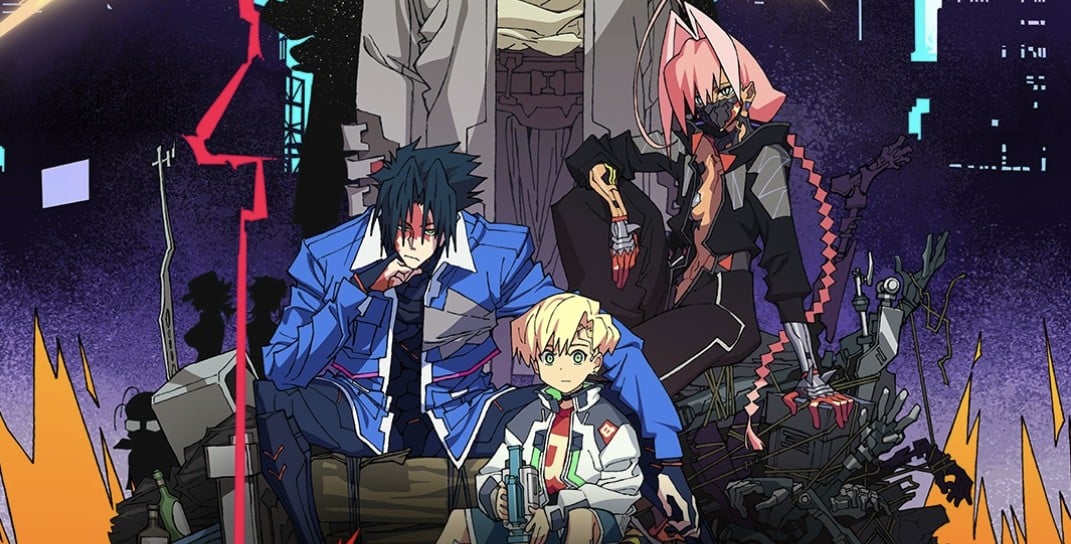
Edgerunners 2’s latest teaser is rich with signals that game developers—AAA and #indiegame alike—can mine for reference.
Elevated Chrome and Readable Systems
The depiction of cyberware is more modular and system-like than in the first season:
- Limbs and implants articulate in discrete segments, implying upgrade paths and slot-based customization.
- HUD-like overlays and ghosted UI frames pop in and out around netrunner sequences, hinting at how the show visualizes otherwise invisible systems.
This is exactly the kind of visual shorthand that can inform in-game UI, especially for teams trying to make complex builds and skill trees feel diegetic.
Corpo Sterility vs. Street Chaos
The teaser’s color scripting leans into a harsher split between:
- Cold, desaturated corpo interiors with clean lines and minimal noise.
- Oversaturated, noisy street-level scenes full of signage, particle clutter, and chromatic aberration.
That split is more than aesthetic; it’s a navigational tool. In gameplay terms, it’s equivalent to using palette and density to guide player expectations—safe zones vs. killboxes, negotiation hubs vs. extraction points.
Transmedia Ops: Why Edgerunners 2 Matters for Devs
With a confirmed fall release window on Netflix, Cyberpunk: Edgerunners 2 is re-entering the ecosystem at a strategically loaded moment for CD Projekt RED and the wider Cyberpunk IP.
For developers tracking transmedia strategies, a few key reads:
- IP Continuity as a Live Service – The anime isn’t a side story; it’s effectively a seasonal content drop for the brand. Expect cross-pollination in cosmetics, lore entries, and possibly event framing in future Cyberpunk game updates.
- Character-Driven World-Building – Introducing four new leads allows the show to tour underused strata of Night City—gangs, districts, and corp divisions that didn’t get spotlight in the first season or the games.
- Benchmarking Production Values – Edgerunners 2’s animation density, combat readability, and lighting design will inevitably become a reference deck for studios working in sci-fi, cyberpunk, and near-future aesthetics.
For #gamedev and #indiegame teams alike, the message from this week’s intel is simple: Edgerunners 2 isn’t just content to revisit Night City. It’s actively re-weaponizing it—visually, narratively, and systemically.
Closing Signal: Expect Escalation
Across the latest teasers and the fall window confirmation, Cyberpunk: Edgerunners 2 is broadcasting a clear operational intent: higher lethality, sharper emotional risk, and a more aggressively systematized Night City.
As more footage and character breakdowns deploy in the coming weeks, this will be one of the most valuable case studies in how to evolve a transmedia cyberpunk property without losing the grimy, human-scale tragedy at its core.
Sources and corrections
This archive entry does not have a verified article-source list. Images and video embeds alone are not evidence for every claim.
Found an error? Request a correction. Include the passage and a supporting source.