Automated archive
Cyberpunk: Edgerunners 2 Reboots the Night City Killbox This Fall
Cyberpunk: Edgerunners 2 has locked in a fall deployment window and reframed Night City as a vertical killbox with four new edgewalkers entering the fray. For developers and storytellers, the latest intel offers a sharp blueprint on how to escalate a transmedia universe without rebooting it.
AI-generated summary. This archive article does not have a current recorded source check. Check linked sources before relying on details. Editorial policy
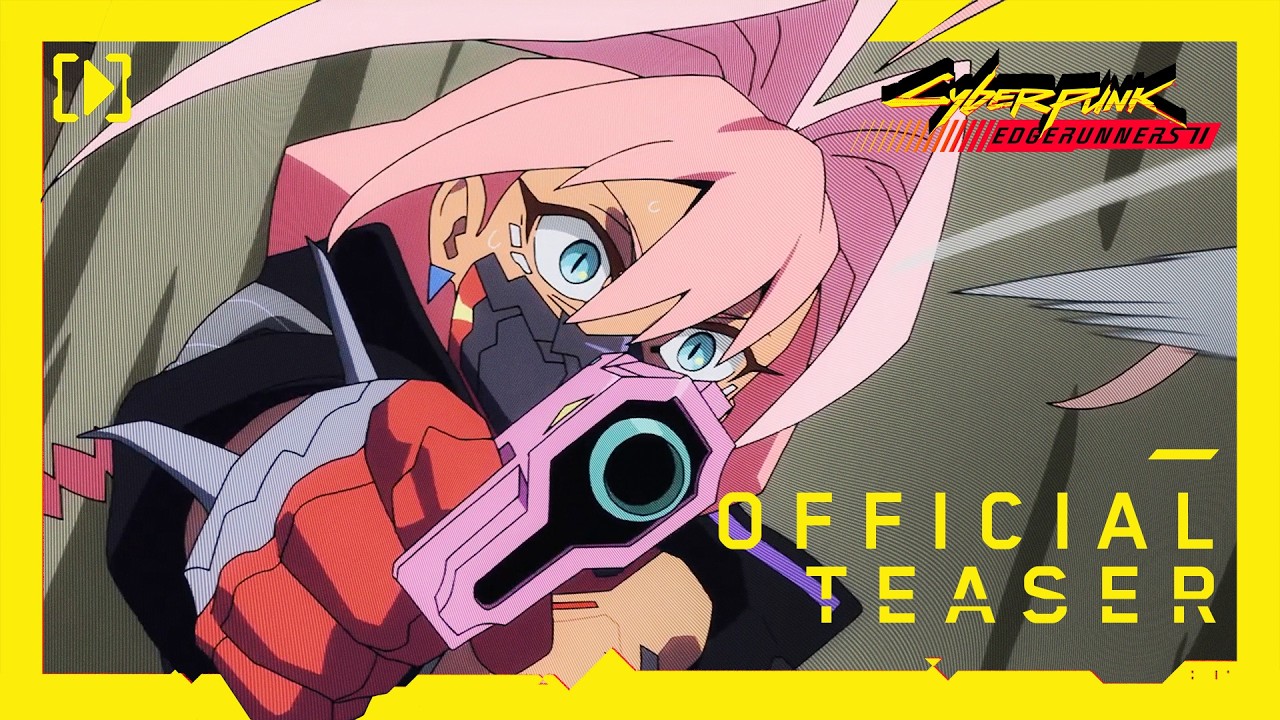
Sector Intelligence Report // Cyberpunk: Edgerunners 2
Night City is spinning back up to combat-ready status. Over the last week, Cyberpunk: Edgerunners 2 has shifted from background noise to high-priority signal, with Netflix and CDPR-adjacent channels pushing a coordinated drip of intel: a locked fall release window, four new edgewalkers entering the board, and a second teaser that reframes Night City as a vertical, high-density killbox.
For #gamedev teams tracking transmedia IP and for any #indiegame studio studying how to extend a universe across formats, Cyberpunk: Edgerunners 2 is quietly turning into a live case study in escalation without reboot.
Strategic Timeline: Fall Window Locked, Roster Expanded
The most concrete data point from the last seven days is timing. Cyberpunk: Edgerunners 2 has confirmed a fall launch window on Netflix, putting it squarely in the competitive content corridor leading into holiday season. That matters for both audience reach and franchise synergy with the Cyberpunk 2077 ecosystem and any follow-on updates.
The same intel packet confirms four new edgewalkers joining the cast. From a narrative and production standpoint, that implies:
- A deliberate shift in power geometry inside Night City’s shadow wars—more factions, more conflicting agendas, and more room for parallel storylines.
- A likely focus on ensemble-driven pacing, where screen time is distributed across multiple protagonists instead of leaning on a single tragic arc à la David.
- Expanded opportunities for visual motif design—distinct chrome profiles, silhouettes, and cyberware loadouts that can translate into merchandising, cosplay, and potential cross-pollination with game content.
For developers watching from the outside, this is a reminder that second seasons in a transmedia universe rarely just “continue the story.” They re-architect the playable space—only here, the “playable space” is narrative, not interactive.
Teaser 2: Night City as a Next-Gen Killbox
The new Official Teaser 2 doesn’t just promise more neon—it reframes how Night City operates as a combat and emotional theater.
Key signals buried in the cut:
1. Verticality as Design Language
Intel calls out vertical traversal and a hyper-dense city grid. Shots linger on stacked highways, scaffolded megastructures, and multi-level firefights. For game developers, this reads like an animated exploration of what a fully exploited vertical map could feel like—multiple engagement planes, line-of-sight ambiguity, and choreography that treats height as a narrative beat, not just a backdrop.
2. Heavy Weapon Silhouettes, Tighter Encounters
The teaser leans on heavy weapon profiles and close-quarters engagements instead of wide, open battlefields. That suggests a tonal shift toward high-lethality, low-margin combat, with:
- Shorter time-to-kill equivalents in narrative beats.
- A focus on impact frames—moments where shots, blades, or implants land with exaggerated clarity.
- An underlying design ethos of “no safe distance,” mirroring how many modern action games compress combat arenas for intensity.
The phrase “reactivating the Night City killbox” from the activity feed isn’t just flair—it’s a mission statement. The city itself is the weapon.
3. Emotional Overclocking Beyond Baseline
The feed explicitly flags “emotional overclocking well beyond baseline edgerunner parameters.” In practice, that likely means:
- Faster emotional arcs, with characters pushed to breaking points earlier.
- Less runway before consequences hit—think speedrunned tragedy.
- A sharper contrast between corporate sterilization (clean labs, glass, white light) and street-level chaos (grain, neon, particulate-filled air).
For storytellers and #gamedev narrative leads, this is a textbook example of iterating on tone: same city, same tech stack, but the emotional CPU is running hotter and closer to meltdown.
Four New Edgewalkers: Systemic Shift in Night City’s Meta
The introduction of four new edgewalkers is more than just cast expansion—it’s a structural pivot.
From a design analysis perspective, adding four new core characters allows the writers to:
- Distribute thematic load across multiple arcs (survival, loyalty, betrayal, corpo complicity) instead of overclocking a single protagonist.
- Explore specialized roles—netrunner, solo, techie, fixer archetypes—mirroring class design in RPGs.
- Build a networked narrative, where each character is effectively a node in a larger systemic story graph.
This is where Cyberpunk: Edgerunners 2 becomes especially relevant for #indiegame teams experimenting with ensemble casts. The show can validate whether audiences will follow multiple tightly interwoven arcs in a high-density sci-fi setting without losing emotional clarity.
Visual Continuity: Iterative, Not Redundant
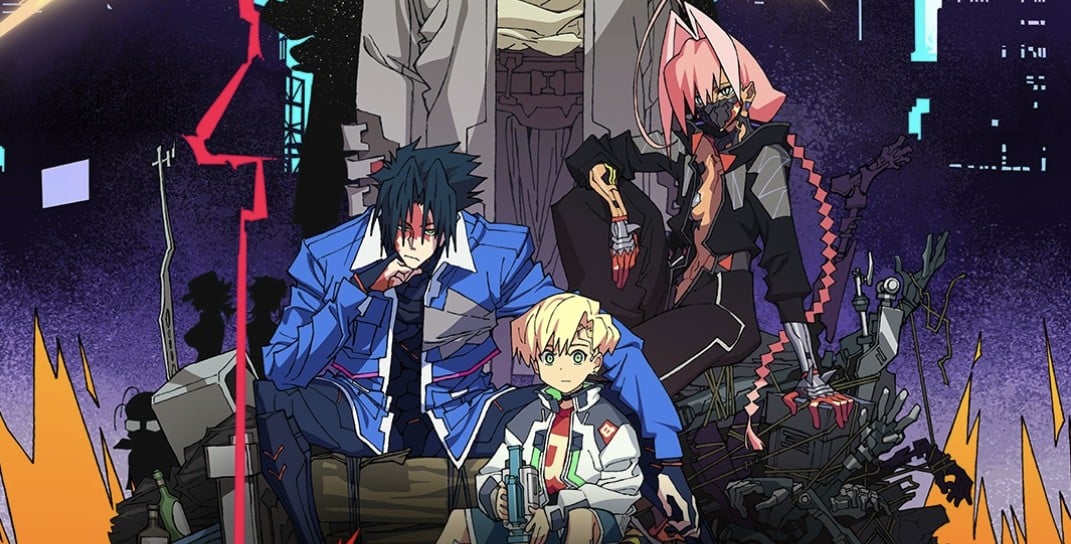
The visual language in the latest assets suggests an iterative, not revolutionary approach:
- Chrome density is up—more visible implants, more aggressive silhouettes—but the core aesthetic remains recognizably Edgerunners.
- Lighting contrasts are sharper: corporate interiors are almost clinically overexposed, while street-level sequences lean harder into color noise and volumetric haze.
- Motion framing prioritizes claustrophobic compositions, often boxing characters between architecture and HUD-like overlays.
For developers, the lesson is clear: you don’t need to reinvent your IP’s visual identity for a second outing. You scale it—more layers, tighter contrast, and bolder use of the existing palette.
Takeaways for Developers Tracking Transmedia Playbooks
From a #gamedev and #indiegame standpoint, Cyberpunk: Edgerunners 2 is shaping up as a high-value reference for:
- Transmedia continuity: preserving Night City’s core identity while escalating stakes and density.
- Ensemble narrative design: four new characters as a test bed for multi-protagonist storytelling in a familiar world.
- Environmental storytelling: using verticality and density as both tactical and emotional levers.
As we approach fall, expect further transmissions: character-specific spotlights, deeper dives into netrunner ops, and likely more explicit ties back to the Cyberpunk 2077 game canon. For now, the signal is clear—Cyberpunk: Edgerunners 2 isn’t a reset; it’s a lethal iteration on an already volatile system.
Sources and corrections
This archive entry does not have a verified article-source list. Images and video embeds alone are not evidence for every claim.
Found an error? Request a correction. Include the passage and a supporting source.