Automated archive / Cyberpunk 2077
Cyberpunk 2077’s 40M Breakthrough and the Red Protocol Reboot
Cyberpunk 2077 has breached 40 million copies sold, transforming Night City into one of the most instructive recovery arcs in AAA game development. From systemic overhauls and audio refreshes to CD Projekt’s Red Protocol rebrand, this week’s sector intel is a playbook in long-tail design and brand strategy.
AI-generated summary. This archive article does not have a current recorded source check. Check linked sources before relying on details. Editorial policy

Night City Macro-Snapshot: Cyberpunk 2077 at 40 Million
Cyberpunk 2077 has officially crossed the 40 million copies sold threshold, turning what was once a cautionary launch tale into one of the most significant long-tail recoveries in AAA history. For #gamedev teams and every #indiegame studio watching from the sidelines, this is now a reference case in how aggressive post-launch development updates, systemic rewrites, and smart expansion timing can rewire a game’s commercial trajectory.
From a market perspective, 40M puts Cyberpunk 2077 in the upper echelon of single-player IPs, especially notable for a narrative-driven, non-live-service title. The key takeaway for developers: a strong core fantasy plus sustained, well-communicated iteration can keep a game economically relevant years past release, even after a turbulent start.
Watch: Transmitting Gameplay footage from the field: Cyberpunk 2077 sales milestone breakdown
Design & Systems: How Post-Launch Overhauls Fueled the Surge
The 40M milestone isn’t just a marketing victory—it’s a systems design success story. Cyberpunk 2077’s trajectory was fundamentally altered by:
1. Mechanical Rewrites and the Phantom Liberty Effect
CD Projekt Red’s systemic overhauls—police AI, perk trees, combat balance, and vehicle handling—shifted the game from “promising but unstable” to “recommended core RPG experience.” The Phantom Liberty expansion acted as both content injection and perception reset, bundling mechanical fixes with a high-profile narrative arc.
For developers, this shows the power of:
- Bundling deep systemic patches with premium narrative content.
- Treating expansions as platform relaunches, not mere add-ons.
- Using expansions to re-onboard lapsed players with clearer UX, tutorialization, and smoother early-game pacing.
2. Long-Tail Monetization via Trust, Not Microtransactions
Instead of chasing live-service monetization, CD Projekt Red doubled down on:
- One major paid expansion (Phantom Liberty).
- Free systemic updates that elevated the base game.
This model reinforces a lesson for #indiegame and mid-tier studios: if your core loop is strong, player trust and word-of-mouth can be more valuable than short-term monetization hooks. Cyberpunk 2077’s positive Steam reviews and renewed influencer coverage in 2024–2026 created a feedback loop that kept new players flowing in.
Audio Overhaul: Fighting Repetition Fatigue in Open Worlds
New tracks, remixes, and expanded radio rotations have been deployed across Night City, targeting one of the most underrated problems in open-world design: audio repetition fatigue.
From a development update perspective, this is a smart, low-risk, high-impact move:
- Perceived freshness: Even returning players experience Night City differently when their commute, chase sequences, and gigs are scored with unfamiliar tracks.
- Extended session length: Diverse audio reduces sensory burnout, encouraging longer play sessions.
- Brand reinforcement: A stronger sonic identity helps Cyberpunk 2077 stand out in a crowded open-world market.
For #gamedev teams, especially smaller studios, the lesson is clear: audio pipelines deserve iterative updates, not just one-and-done soundtracks. Rotating playlists, reactive music systems, and periodic content drops can extend the life of a world without touching level geometry or quest scripting.
Corporate Meta: CD Projekt Rebrands to CD Projekt Red
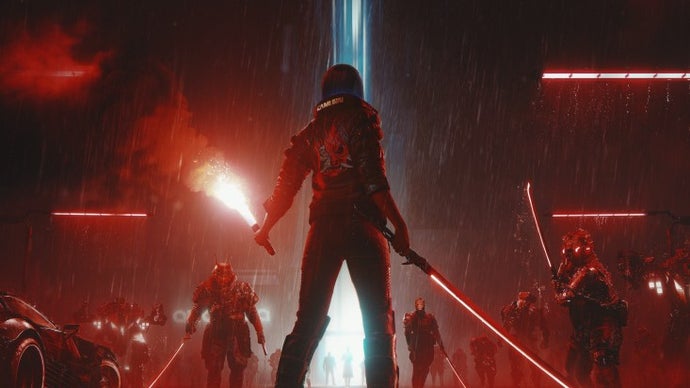
On the corporate layer, CD Projekt has executed a full identity patch, rebranding its core structure to CD Projekt Red. On the surface, it’s a naming alignment; strategically, it’s a signal.
Key implications:
- Unified brand architecture: The studio name that players actually know—"CD Projekt Red"—now fronts the entire operation, consolidating trust built on The Witcher and now Cyberpunk 2077’s redemption arc.
- Transmedia-ready identity: As Cyberpunk 2077 expands through anime, potential spin-offs, and future entries, a single, globally recognized label simplifies cross-media marketing.
- Talent and recruitment magnet: For developers, the rebrand clarifies the studio’s creative center, making it easier to pitch candidates on a unified vision rather than a fragmented corporate structure.
Strategic Takeaways for Developers
For AAA Teams
- Redemption arcs are viable if backed by transparent communication, consistent patches, and at least one major, high-quality expansion.
- Audio and UX polish can materially alter public sentiment late in a game’s life cycle.
- Brand clarity matters: players rally around studios they can easily identify and emotionally associate with flagship IP.
For Indie and Mid-Tier Studios
- You may not have the budget for a Phantom Liberty-scale expansion, but you can still:
- Ship meaningful post-launch updates that fix core friction points.
- Refresh soundscapes and UI to keep your world feeling alive.
- Use each development update as a marketing beat, re-introducing your game to new audiences.
Cyberpunk 2077’s 40M milestone is more than a sales headline; it’s a live case study in how iterative design, strong expansions, and brand recalibration can turn a shaky launch into a durable ecosystem. Night City isn’t just surviving—it’s become a blueprint.
Sources and corrections
This archive entry does not have a verified article-source list. Images and video embeds alone are not evidence for every claim.
Found an error? Request a correction. Include the passage and a supporting source.
Your games, in one place
Keep up with Cyberpunk 2077
Follow this game to collect its posts in your personal feed. Come back to see what you missed.