Automated archive / Cyberpunk 2077
Cyberpunk 2077’s Trust Reboot, Steam Machine Trials, and System-Weaponized Gigs
CD Projekt admits Cyberpunk 2077’s redemption arc never fully landed, even as players continue to weaponize its systems and stress-test it on new hardware. This week’s intel frames Night City as a live R&D lab for trust, design, and technical benchmarks heading into The Witcher 4.
AI-generated summary. This archive article does not have a current recorded source check. Check linked sources before relying on details. Editorial policy

Sector Overview
Cyberpunk 2077’s last seven days read less like a quiet post-launch tail and more like an active case study in long-term franchise rehabilitation. Between a brutally honest leadership debrief from CD Projekt, fresh experimentation with hardware form factors, and emergent playstyles that weaponize systems instead of cosmetics, Night City continues to function as a live #gamedev laboratory rather than a static, solved product.
This week’s signals cluster around three fronts: trust repair, player-driven systems mastery, and hardware viability. Together they map out where Cyberpunk 2077 actually sits in 2026—beyond marketing beats and long-faded launch discourse.
Command-Level Intel: CD Projekt’s Trust Rebuild Protocol
Two separate transmissions from CD Projekt’s leadership effectively formalize what the community has said for years: the studio’s reputation took a serious hit, and not everyone is coming back.
The joint-CEO openly calling it “fair” that Cyberpunk 2077’s launch cost them audience faith is more than PR contrition; it’s a strategic reframing. Internally, Cyberpunk has moved from flagship to cautionary tale—a baseline for how not to deploy a blockbuster RPG. Externally, it’s a message to players and developers alike: the studio knows the redemption arc didn’t fully execute.
Crucially, The Witcher 4 is being positioned not just as the next tentpole, but as a long-game recovery protocol. Every quest, system, and patch on that project is now reputation warfare. For #gamedev teams watching from the outside, Cyberpunk 2077 has become a living postmortem: a reminder that technical recovery (patches, next-gen upgrades, Phantom Liberty) doesn’t automatically equal emotional recovery (trust, hype, day-one confidence).
From a sector intelligence standpoint, this is a pivot from “fixing a game” to “rebuilding a social contract.” Cyberpunk 2077 is the past failure and the active warning; The Witcher 4 is the future test.
Field Ops: Zero-Entry Heist and the Power of Systemic Play
One standout activity log this week details a “Zero-Entry Heist Protocol”: a fixer gig completed without crossing the building threshold. The operator leans entirely on netrunning, line-of-sight triggers, and enemy AI pathing to clear the contract from outside—full payout, zero interior risk.
This is where Cyberpunk 2077 quietly shines in 2026. Years after launch, players aren’t just min-maxing damage numbers; they’re stress-testing the systemic fabric. Remote hacks, camera daisy-chains, and aggro manipulation become tools for emergent solutions that feel closer to immersive sim DNA than open-world checklist design.
For designers, this is a key lesson: when your systems are deep enough, players will invent new playstyles long after the marketing cycle ends. The “weaponize systems, not cosmetics” ethos in that activity log is telling. It’s a rejection of surface-level engagement in favor of exploiting the underlying simulation—a direction many #indiegame stealth and tactics projects are already chasing.
Cyberpunk 2077 may not have fully completed its cultural redemption, but its systems are still generating fresh design case studies.
Origin Path Selection: Lifepaths as Soft Narrative Modifiers
Another data point resurfacing this week is the origin path selection protocol: Corpo, Nomad, or Street Kid. The field log frames lifepaths as modifiers on dialogue vectors, social access routes, and mission flavor, all converging on a unified main campaign spine.
In practice, that means:
- Dialogue and social access: Lifepaths unlock bespoke lines and alternate ways to pressure NPCs, particularly in early and mid-game story beats.
- Mission flavor: The same mission can feel different depending on whether you’re a street-level hustler, a desert outsider, or a corporate defector.
- Limited endpoint variance: The core narrative endpoints remain largely shared, regardless of origin.
From a #gamedev perspective, this is a cautionary example of scope vs. payoff. Lifepaths successfully enhance early-game roleplay and replay flavor, but they don’t fully branch the macro narrative. For developers studying Cyberpunk 2077 as a design reference, the key takeaway is clear: if you market origin stories heavily, players will expect those choices to echo far into the late game.
And yet, even in 2026, content creators are still debating “Corpo or Street Kid?”—proof that even soft-branching systems can sustain discourse when they meaningfully affect moment-to-moment texture.
Hardware Recon: Cyberpunk 2077 as a Living Room Benchmark
Watch: Transmitting Gameplay footage from the field: Cyberpunk 2077 – Official Gameplay Deployment
A fresh field test this week drops Cyberpunk 2077 onto Valve’s Steam Machine hardware, treating Night City as a stress test for CPU draw calls, GPU pipelines, and frame pacing in a living room form factor.
This is a reminder of Cyberpunk’s enduring role as a technical benchmark. Even after extensive optimization and next-gen enhancements, it remains a high-intensity workload for mid-range and compact systems. For hardware manufacturers and PC-focused #gamedev teams, Cyberpunk 2077 is effectively a real-world validation suite: if your box can handle dense crowds, heavy post-processing, and rapid combat encounters here, it can handle most of the market’s visual demands.
Controller-driven combat trials in this context also matter. They reframe Cyberpunk 2077 from a desk-bound RPG to a couch-friendly action-RPG, a positioning that could extend its tail as a go-to showcase title on non-traditional PC form factors.
Visual Signal: Phantom Liberty and the Legacy of Redemption
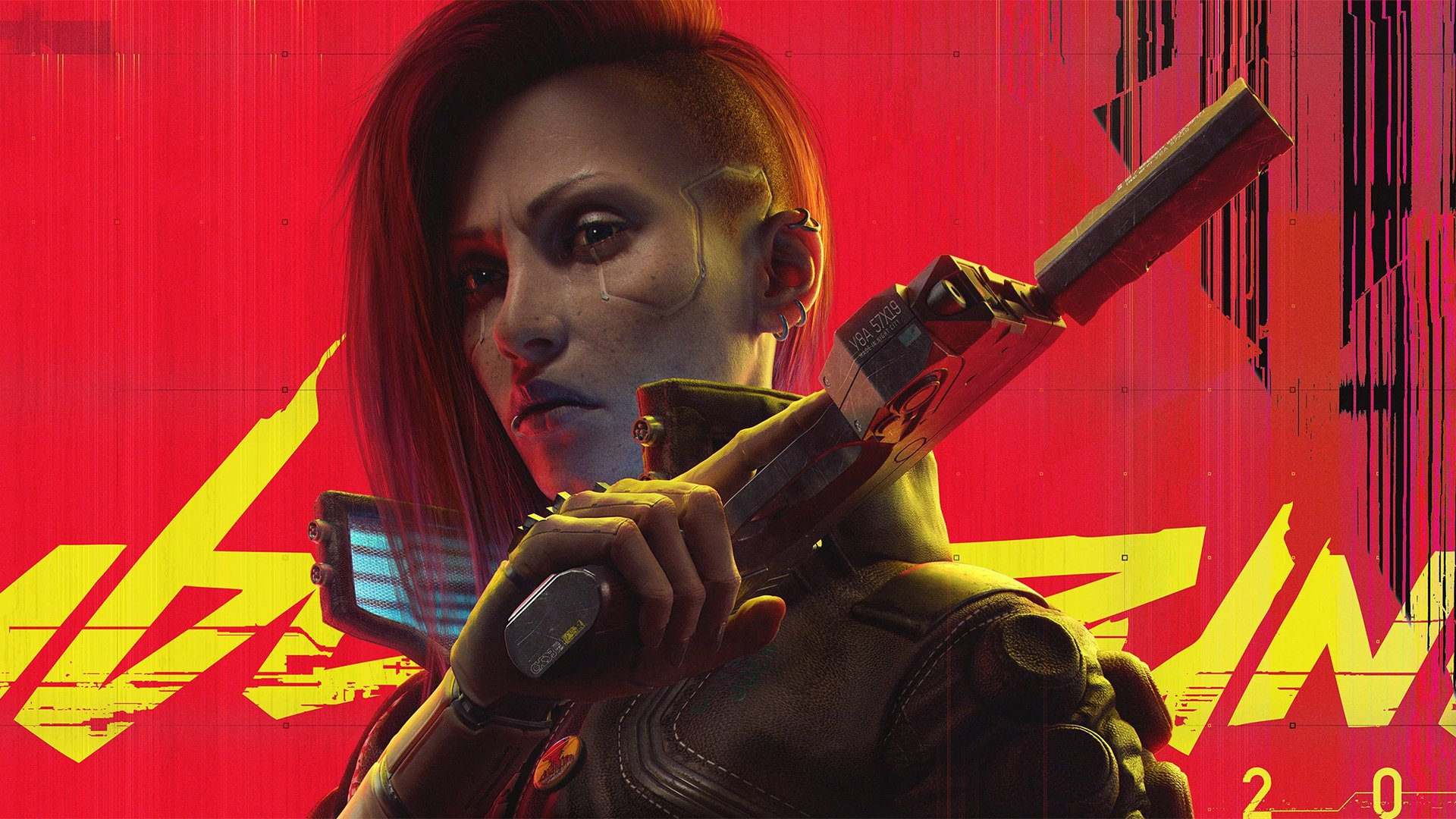
Phantom Liberty remains the strongest argument that Cyberpunk 2077 can deliver on its original promise when scope is tightly controlled. The expansion’s more focused structure, improved systemic cohesion, and polished quest design serve as a template for how CD Projekt might approach The Witcher 4.
Yet, as the CEO admits, even a successful expansion and a robust 2.0 overhaul were not enough to fully complete the redemption arc. Some players have permanently logged out of this ecosystem. That’s the uncomfortable but necessary context for any development update tied to the Cyberpunk 2077 brand.
For studios charting their own trajectories, the message is blunt: you may only get one shot at a clean launch, but you can still turn a damaged product into a valuable R&D platform—for technology, storytelling experiments, and player-behavior analytics that inform the next generation of projects.
Sector Verdict: Cyberpunk 2077 as Ongoing Case Study
In 2026, Cyberpunk 2077 occupies a strange but instructive space. It’s simultaneously:
- A cautionary tale about overpromising and under-delivering at launch.
- A living benchmark for hardware and engine optimization.
- A fertile ground for emergent, system-driven playstyles.
- A narrative of partial redemption that directly shapes expectations for The Witcher 4.
For #gamedev and #indiegame teams, the weekly signal from Night City is clear: your game doesn’t stop teaching you lessons after release. Cyberpunk 2077’s current value lies not just in its player counts, but in the hard-earned intel it provides on trust, systems design, and the long half-life of a brand once it’s been stress-tested in public view.
Sources and corrections
This archive entry does not have a verified article-source list. Images and video embeds alone are not evidence for every claim.
Found an error? Request a correction. Include the passage and a supporting source.
Your games, in one place
Keep up with Cyberpunk 2077
Follow this game to collect its posts in your personal feed. Come back to see what you missed.